

If you’ve started researching animated video production, you’re probably facing a whirlwind of quotes some as low as £1,500, others soaring beyond £10,000 or even £20,000. So what’s behind this massive price gap? Is it just about the studio you pick, or are there deeper factors influencing the cost?
In 2025, animated videos continue to dominate as one of the most powerful tools for marketing, education, training, and brand storytelling. With attention spans shorter than ever, companies are leaning into animation to explain complex topics, pitch ideas, and emotionally connect with audiences all in under two minutes.
But here’s the truth: the price of an animated video isn’t one-size-fits-all. It depends on multiple moving parts from the style you choose (2D, 3D, motion graphics, whiteboard, etc.) to the length of your video, voiceover needs, turnaround time, customisation level, and even how many revision rounds you request. Whether you’re a startup looking to explain your product, or a large brand planning a polished campaign, understanding the pricing breakdown is key to getting the best value from your investment.
In this guide, I’ll walk you through the core factors that affect animated video pricing in 2025, what to expect at different price tiers, and how to choose the right animation studio based on your goals and budget. By the end, you’ll be equipped to make informed decisions that save you money without compromising on quality.
1. What Impacts the Cost of an Animated Video?
Before jumping into the numbers, it’s helpful to understand what drives the cost of animation. Several key factors affect pricing:
- Animation Style
2D is generally more affordable than 3D or highly detailed styles. - Video Length
The longer the video, the more work involved and the higher the cost. - Script and Storyboard Complexity
Simple concepts are quicker to develop; complex ones take more time and planning. - Voiceover and Music
Custom voiceovers, multiple languages, or licensed music can increase your budget. - Turnaround Time
Faster delivery often comes with a rush fee. - Number of Revisions
Most studios include a few rounds more changes usually mean more cost. - Level of Customisation
Bespoke illustrations and animations cost more than template-based work. - Production Expertise
Highly experienced teams may charge more but often deliver higher quality.
The more detail, time, and talent involved, the higher the price so it’s worth balancing your goals with your budget.
2. Pricing by Animation Style

One of the biggest factors affecting cost is the style of animation you choose. Each approach requires different levels of skill, time, and resources. Here’s what you can expect in 2025:
2D Motion Graphics
- Description: Clean, professional visuals using icons, text, and simple illustrations.
- Best for: Explainers, corporate overviews, and presentations.
- Average cost: £2,000–£6,000 per minute.
2D Character Animation
- Description: Custom characters with expressive movement and storytelling.
- Best for: Brand videos, social content, and narrative-driven projects.
- Average cost: £3,500–£8,000 per minute.
3D Animation
- Description: Realistic modelling, textures, lighting, and cinematic camera work.
- Best for: Product demos, architecture, and premium ads.
- Average cost: £6,000–£15,000+ per minute.
Whiteboard Animation
- Description: Hand-drawn illustrations simulating a whiteboard sketching effect.
- Best for: Educational content and training materials.
- Average cost: £1,500–£4,000 per minute.
Stop Motion
- Description: Frame-by-frame animation using real objects or models.
- Best for: Artistic content, commercials, and niche campaigns.
- Average cost: £5,000–£20,000+ per minute.
3. How Video Length Affects Price
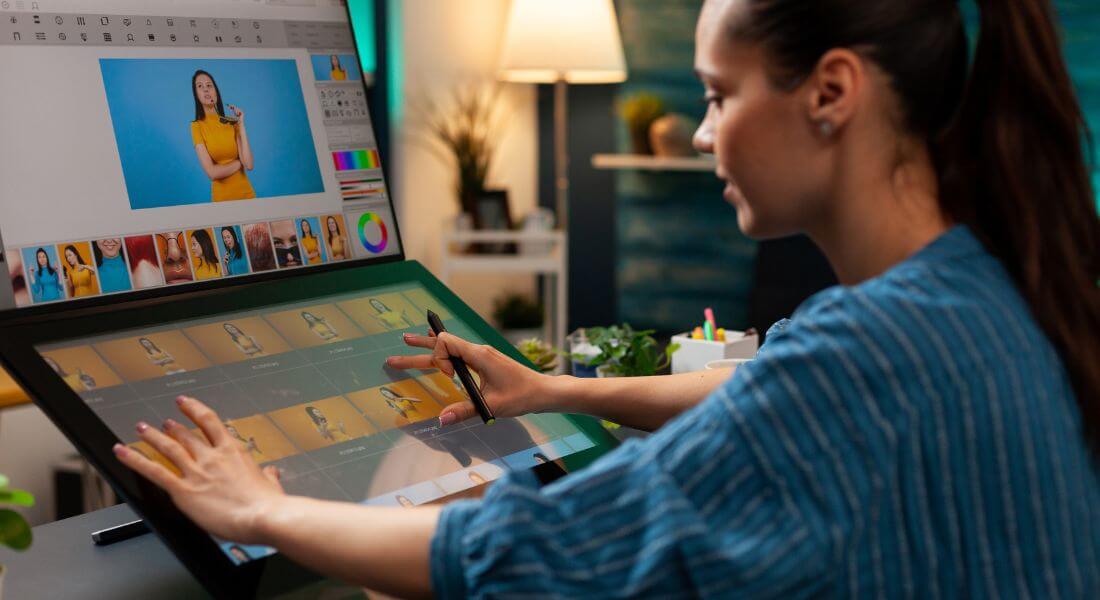
Video duration plays a major role in cost, as each second adds more animation, voiceover, editing, and rendering time. Even a short extension can significantly increase workload.
Why length matters:
• Longer videos = more frames to animate
• More voiceover recording and syncing
• Extended editing and review time
• Greater rendering requirements for final output
Typical 2025 pricing for standard 2D motion graphics:
• 30 seconds: £1,500–£3,000
• 1 minute: £2,500–£5,000
• 2–3 minutes: £4,500–£10,000+
• 3+ minutes: Custom pricing based on complexity and objectives
Other factors influencing cost by length:
• Story complexity and scene transitions
• Number of voiceover sections or character interactions
• Whether content is repurposed for multiple platforms
Tip:
Shorter videos (60–90 seconds) often outperform longer ones especially on social media and landing pages. For best value, keep content focused, concise, and tightly scripted to make every second count.
4. Script and Storyboard Complexity
The level of detail in your script and storyboard significantly impacts the cost, timeline, and quality of the final animation. More complexity requires deeper planning, more creative input, and additional revision cycles.
Script types and their impact:
• Simple scripts (e.g. product features, quick explainers), Easier to draft, faster to finalise, and generally more affordable
• Moderately complex scripts (e.g. customer journeys, industry use cases), Require structured messaging and more back-and-forth on tone and flow
• Advanced scripts (e.g. brand storytelling, humour, dialogue, multi-scene narratives), – Need in-depth concept development, multiple feedback rounds, and experienced copywriting
Average scriptwriting fees:
• £300–£1,000 depending on length, research depth, and complexity
• Additional costs may apply for multilingual versions or technical subjects
Storyboard options and costs:
• Basic storyboards are often included in the production fee
• Detailed storyboards (with shot-by-shot direction, camera movements, and design previews)
May add £500–£1,500+ to the overall cost
• Animatics (animated storyboards) are sometimes used for pacing and timing feedback
Why this stage matters:
• Clear scripting reduces confusion and wasted revisions
• Well-planned storyboards ensure the visual direction is aligned before animation begins
• Strong pre-production sets the tone for a smoother and faster production
Tip:
Don’t rush script and storyboard development. Investing time and resources upfront here pays off later by avoiding miscommunication, delays, and expensive mid-project changes.
5. Voiceover and Music Licensing
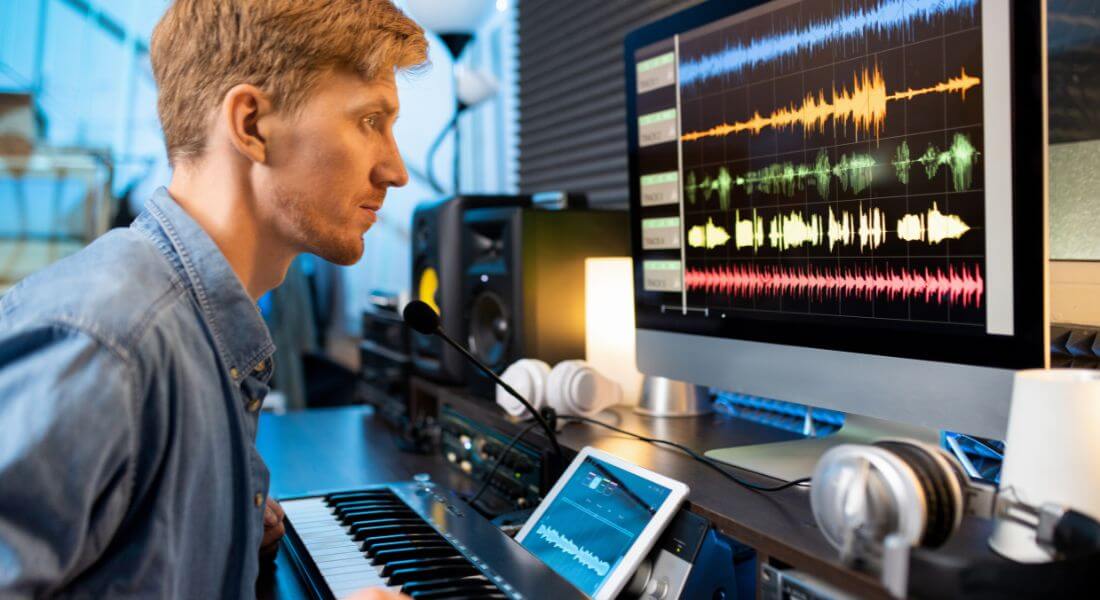
High-quality audio is crucial to the impact and professionalism of your animation. Voiceovers and music set mood, pace, and emotional tone, enhancing viewer engagement.
Voiceover costs:
• £150–£500 per finished minute, influenced by artist experience, language, and rights needed
• Additional costs may apply for multiple languages or custom scripts
Music licensing fees:
• Royalty-free or stock tracks: £50–£500 per track
• Exclusive rights or popular commercial songs: £1,000+
Why it matters:
• A well-chosen voiceover creates trust and connection with your audience
• Music supports storytelling, builds atmosphere, and reinforces brand identity
Tip:
Select voiceover artists whose style matches your brand personality and audience preferences. This alignment adds authenticity and makes your message more memorable.
6. Turnaround Time and Rush Fees
Animation production involves multiple stages, from scripting to final delivery. Timelines vary based on complexity, feedback cycles, and creative demands.
Standard production timeline:
• Most animations take 4–8 weeks from start to finish
• Includes scripting, storyboarding, design, animation, voiceover, and revisions
• Complex projects (e.g. 3D, character-driven, multi-scene) may take 10–12 weeks or more
Faster delivery options:
• Rush projects available when deadlines are tight
• Creative flexibility may be limited under time pressure
Typical rush fees:
• 20%–50% additional charge on top of base cost
• Based on how urgently the project needs to be completed
Impact of rushing:
• Fewer rounds of feedback and revisions
• Less time for creative exploration and polish
• Higher likelihood of missed details or compromises in quality
Tip:
Start early and allow a realistic timeline this avoids unnecessary costs and ensures a smoother, more creative production process.
7. Revisions and Feedback Rounds
Revisions are essential for refining your animation but they need to be managed carefully. Most studios offer a limited number of changes within the agreed budget, so staying organised is key.
What’s typically included:
• 1–2 rounds of revisions are included in standard packages
• Covers small changes to script, visuals, voiceover, or timing
• Usually applied during key checkpoints: script, storyboard, and animation draft
Extra revision costs:
• Additional rounds: £200–£500+ each
• Price depends on change complexity and project stage
• Large edits after animation (e.g. scene restructuring) can significantly increase costs
Why it matters:
• Early-stage revisions are quicker and more cost-effective to implement
• Late-stage feedback often involves editing multiple layers and re-rendering
• Too many changes can stretch the timeline, increase costs, and lead to creative fatigue
Common revision mistakes:
• Collecting feedback from too many people without a clear decision-maker
• Making major changes after approving earlier stages
• Giving vague or unclear instructions like “make it pop”
How to stay on track:
• Assign a single point of contact to manage feedback
• Get team alignment before submitting revision notes
• Be clear, specific, and timely with change requests
Tip:
Treat feedback rounds like checkpoints, not brainstorming sessions. Efficient communication and early decision-making help you stay within budget, protect quality, and keep your animation moving forward.
Revisions are essential for refining your animation but they need to be managed carefully. Most studios offer a limited number of changes within the agreed budget, so staying organised is key.
8. Level of Customisation
The level of customisation in your animation greatly affects both cost and creative potential. The more original the visuals, the more time and resources are required but also the more unique and brand-specific the final product.
Template-based animation:
• Uses pre-built assets and motion presets
• Faster to produce with a lower price tag
• Limited visual flexibility and originality
• May feel generic or be reused across multiple brands
Fully custom animation:
• Designed from scratch every element is tailored to your brand
• Original characters, illustrations, transitions, and motion design
• Offers full creative control and a strong brand match
• Requires more time, planning, and budget
Typical pricing difference:
• Template-based: 30%–50% less than fully custom animations
• Fully bespoke animations cost more due to extra design and animation hours
What to check before starting:
• Ask which elements will be uniquely designed vs. reused
• Ensure visual assets are exclusive to your project
• Confirm whether branding (logos, fonts, colours) will be fully integrated
Why it matters:
• Fully customised animations elevate brand credibility and recognition
• A unique visual identity helps you stand out in crowded markets
• You get long-term value from reusing consistent visual assets
Tip:
If your goal is strong brand impact, audience recall, or a signature look investing in a custom animation is worth the extra cost and time.
9. Typical Budget Ranges
Animation costs vary widely depending on the style, complexity, and level of customisation. Here’s a general pricing guide to help you plan your 2025 budget.
Entry-level (template-based):
• Basic Explainer Video: £1,500–£3,000
• Quick turnaround, limited customisation
Mid-range (custom 2D):
• Standard 2D Motion Graphics: £3,000–£6,000
• Good for product explainers, internal comms, and social media content
High-end 2D animation:
• Custom 2D Character Animation: £5,000–£10,000
• Includes original characters, story-driven narratives, and higher visual quality
Advanced 3D animation:
• 3D Product Demo: £7,000–£20,000+
• Ideal for tech, engineering, or architectural showcases
Premium production:
• Stop Motion or Complex 3D: £10,000–£25,000+
• Involves intricate techniques, advanced rendering, or physical setups
Tip:
Choose a budget range based on your goals clarity and impact don’t always require the highest spend.
10. How to Choose the Right Partner
Choosing the right animation studio can make or break your project. It’s not just about finding the lowest price it’s about working with a team that understands your goals, communicates clearly, and delivers top-quality work.
Key questions to ask:
• What’s included in the quoted price (script, storyboard, voiceover, revisions, music)?
• How many revision rounds are included and what counts as a revision?
• Will the script and visuals be tailored to my brand or adapted from a template?
• Who owns the final files can I access and reuse them later?
• What’s the estimated timeline, and how are delays handled?
• Can you share past examples similar to my industry, style, or goals?
What to look for in a good partner:
• Transparent pricing with no hidden costs
• A diverse portfolio that reflects both creativity and consistency
• Clear, proactive communication throughout the process
• A collaborative approach with a willingness to guide you, not just take orders
• Experience with projects similar to yours in size, style, or sector
Bonus signs of a great studio:
• Positive client testimonials or case studies
• Flexibility to adjust scope based on your needs
• Clear contracts that define deliverables, timelines, and rights
Tip:
Go beyond surface-level impressions. A strong animation partner treats your project like a creative collaboration not a checklist. Look for a team that’s aligned with your vision and committed to making your message shine.
11. How to Save Money Without Sacrificing Quality
Producing great animation doesn’t always mean spending big. Smart planning can keep costs down while maintaining high standards.
Keep it short:
• Aim for 60–90 seconds to reduce animation and voiceover time
• Shorter videos often perform better and cost less
Choose a simple style:
• 2D motion graphics are more affordable than 3D or character animation
• Minimal design doesn’t mean minimal impact
Finalise your script early:
• Script changes mid-project increase time and cost
• Get team approval before production starts
Be clear with feedback:
• Combine internal feedback into one round
• Avoid vague notes be specific to reduce revisions
Plan ahead:
• Rushed projects cost more book early to avoid rush fees
Tip:
Stay organised and decisive. It helps the animation team work efficiently, keeping quality high and costs low.
12. Is Animation Worth the Investment?
Absolutely animation is more than just a creative asset. It’s a high-performing, multi-use communication tool that offers long-term value across marketing, sales, training, and branding.
Key benefits of animation:
• Increases conversion rates on landing pages and e-commerce platforms
• Makes complex ideas simple, visual, and digestible for any audience
• Builds trust by presenting information in a professional, approachable way
• Outperforms static content on social media, boosting reach, engagement, and shares
• Enhances brand recall through consistent visual storytelling
• Often more cost-effective than live-action in the long run no crew, equipment, or location costs
Business versatility:
• Useful for product demos, brand stories, explainer videos, training materials, and internal communications
• Adaptable for different platforms websites, email campaigns, trade shows, social media, and investor decks
• Can be easily updated with new voiceovers or scene tweaks without full re-shoots
Longevity factor:
• High-quality animations remain relevant and reusable for years
• Eliminates the need for costly reshoots or actor availability
• Offers a strong return on investment across multiple campaigns and channels
Bonus benefit:
• Adds a polished, tech-forward feel to your brand making even small companies appear enterprise-level
Tip:
Treat animation as a long-term brand asset, not a one-time cost. The right video can pay for itself many times over by improving communication, increasing engagement, and driving conversions consistently.
Final Thoughts: Making the Most of Your Animation Budget
Animated video costs can vary widely in 2025, but understanding what drives pricing helps you make informed decisions and avoid surprises. If you’re ready to bring your story to life, you can contact our animation agency in London to take your content to the next level with high-quality animation.
