


Let’s face it traditional training videos can often feel like a chore. They tend to follow a predictable pattern: a talking head, static slides, and a monotone script that barely holds attention. As a result, employees may zone out, skip sections, or forget what they’ve just watched the moment they close the window. But here’s the good news it doesn’t have to be that way.
Today’s workforce craves interactivity, personalisation, and instant gratification especially when it comes to learning. That’s where gamified training videos come in. By incorporating game mechanics into your video content think points, challenges, quizzes, progress bars, leaderboards, and rewards you can turn passive viewers into active, motivated participants. Instead of feeling forced to sit through a training session, employees feel like they’re playing a game with a clear goal and tangible progress.
Gamification taps into core human psychology. It satisfies our need for achievement, recognition, and progression. More importantly, it creates a learning environment that’s fun, immersive, and effective. Whether you’re onboarding new hires, delivering compliance training, or upskilling remote teams, adding gamified elements can dramatically increase engagement, motivation, and content retention.
In this article, we’ll break down how learning and development (L&D) professionals can strategically use gamified training videos to make learning stick. From real-world examples to expert-backed tips, you’ll discover how to create training content that learners actually want to complete and remember long after it’s over.
Why Gamified Training Works
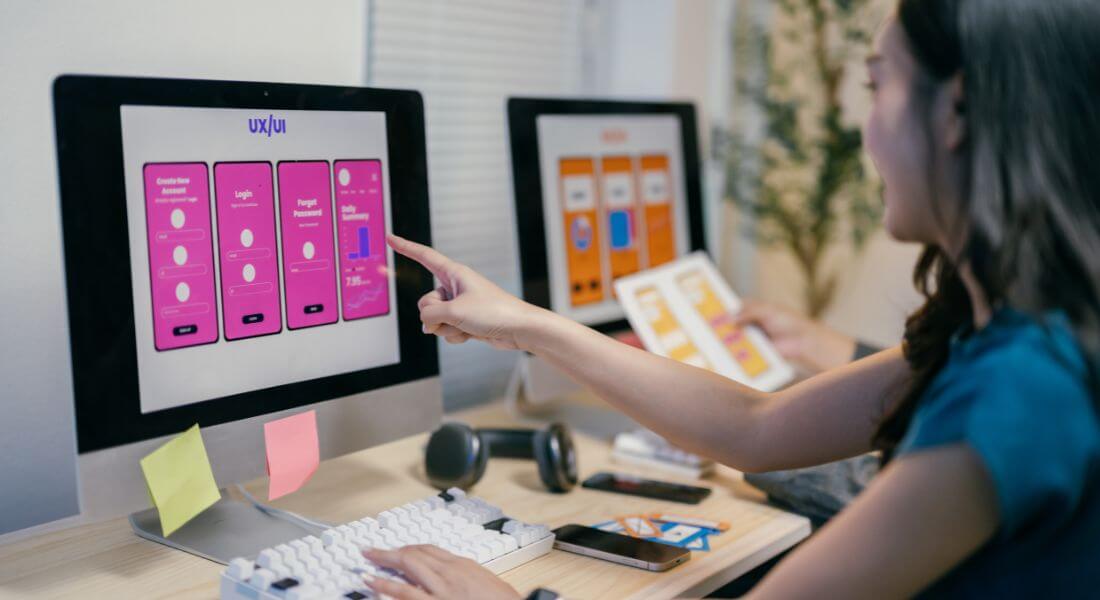
Gamification isn’t just a trend it’s a proven learning strategy grounded in behavioural psychology and neuroscience. It works because it transforms training from a passive experience into an active, rewarding journey. When learners feel challenged, recognised, and rewarded, they’re more likely to stay engaged and retain what they’ve learned.
Here’s a closer look at why gamified training is so effective:
- Boosts Memory Retention Through Repeated Interaction
Gamified training encourages learners to engage with content more than once. Through features like quizzes, challenges, and branching scenarios, users revisit key concepts in different ways. This repetition helps move information from short-term memory into long-term memory, making it more likely to stick. - Encourages Self-Directed Learning
Game-based elements like progress tracking, unlockable content, and achievement badges empower learners to take charge of their development. They feel in control of the pace and direction of their training, which enhances intrinsic motivation and leads to deeper learning. - Improves Learner Satisfaction and Motivation
When learners feel rewarded whether through virtual badges, points, or simple feedback they’re more likely to enjoy the process. This satisfaction increases their motivation to complete the training, resulting in higher course completion rates and better performance outcomes. - Reduces Training Fatigue
Long, monotonous training sessions can lead to disengagement and mental fatigue. Gamification breaks up content into bite-sized, interactive modules that keep learners alert and involved. The playful, competitive elements also bring a sense of fun and excitement, helping to combat boredom.
Whether you’re onboarding new employees, introducing a new system, or delivering mandatory compliance training, gamified content keeps your audience engaged from beginning to end. It turns passive viewing into active participation and that makes all the difference when it comes to real learning impact.
Key Gamification Mechanics for Training Videos

To make your training videos truly engaging and effective, you need to go beyond passive delivery. The right gamification features can transform ordinary content into an interactive learning experience that feels more like playing a game than attending a lecture. Below are some of the most powerful gamification mechanics you can incorporate into your training videos to increase engagement, motivation, and knowledge retention:
1. Progress Tracking
Help learners visualise their journey by integrating clear indicators of progress. This could be in the form of progress bars, level completions, or milestone checkpoints. These visual cues let viewers know how far they’ve come and how much further they have to go, encouraging them to stay committed. Seeing progress gives a sense of accomplishment, which in turn boosts confidence and motivation to continue.
2. Instant Feedback
Don’t wait until the end of a module to let learners know how they’re doing. Instead, embed interactive elements like quick quizzes, multiple-choice questions, or decision points directly within the video. Provide immediate feedback on their choices celebrate correct answers and gently explain why an answer may be incorrect. This immediate response loop helps reinforce learning in the moment and ensures that learners are actively processing the material.
3. Badges and Achievements
Everyone loves recognition. Reward learners for completing sections, achieving high quiz scores, or demonstrating excellent decision-making skills with digital badges, certificates, or personalised shoutouts. These small tokens of achievement create a sense of accomplishment and encourage learners to aim higher. You can also create tiered achievements (e.g., bronze, silver, gold) to inspire learners to improve their performance.
4. Scenario-Based Challenges
Bring learning to life with interactive, scenario-based segments where learners must make decisions or solve problems based on real-world situations. These challenges are ideal for reinforcing practical skills, such as customer service responses, safety protocols, or software use. By simulating realistic experiences, you help learners apply theoretical knowledge in a safe, controlled environment preparing them for real on-the-job situations.
5. Leaderboards and Peer Competition
A little friendly competition can go a long way especially in team settings. Introducing optional leaderboards or peer score comparisons can boost motivation, particularly among competitive learners. Just be mindful to use this mechanic sensitively to avoid discouraging those who may struggle. When implemented correctly, leaderboards can foster a sense of community, collaboration, and drive toward self-improvement.
By strategically combining these gamification mechanics, you can create a dynamic, learner-centric training experience that keeps people motivated, engaged, and coming back for more. The goal isn’t just to entertain it’s to enhance the learning process and make sure your content truly sticks.
Real-World Examples
Many leading organisations have already embraced gamified training videos to elevate learning outcomes. These real-world examples show how effective gamification can be when integrated thoughtfully into learning platforms:
Salesforce LMS – Gamified Onboarding Made Simple
Salesforce’s internal Learning Management System (LMS) is a great example of how gamification can streamline employee onboarding. New hires are guided through a series of video modules that include interactive checkpoints, progress bars, and digital badges awarded for module completion. At the end of each course, learners receive a certificate or reward, reinforcing their achievement. These game-like features help turn what could be a tedious corporate introduction into an engaging and rewarding learning journey, keeping learners motivated from start to finish.
Google Digital Garage – Making Complex Concepts Accessible
Google’s Digital Garage platform offers free video-based courses on topics like data analytics, digital marketing, and career development. Each module is followed by a short, interactive quiz that provides instant feedback. This immediate reinforcement of key points helps break down complex topics into bite-sized, digestible chunks. Learners know right away if they’ve understood the content or need to revisit certain concepts making it a practical model for self-paced, gamified learning.
LinkedIn Learning – Continuous Motivation Through Goal-Setting
LinkedIn Learning incorporates gamification subtly but effectively. As users complete video lessons, they earn digital badges that can be displayed on their profiles or resumes. In addition, learners can set personal goals like watching 15 minutes of video content a day and track their progress with built-in reminders and milestone markers. This combination of self-directed goal-setting and progress visualisation keeps learners motivated over the long term, especially when pursuing certifications or professional development.
These examples prove that gamification isn’t just for entertainment it’s a powerful strategy for real learning. Whether you’re onboarding new staff, teaching advanced technical skills, or helping teams develop soft skills, gamified video training can deliver measurable improvements in engagement, retention, and learner satisfaction.
Simple Tools to Get Started
The good news? You don’t need a massive budget or a team of developers to create engaging, gamified training videos. There are plenty of user-friendly tools many of them affordable or even free that can help you add interactivity and game mechanics to your content with minimal fuss.
Here are some simple but powerful tools to get you started:
Vimeo or Wistia – Add Interactive Elements to Your Videos
These video hosting platforms go beyond just playing video. Both Vimeo and Wistia allow you to embed interactive features like clickable CTAs, in-video questions, and chapter markers. With Vimeo’s “Interactive Video” features or Wistia’s “Turnstile” tool and quizzes, you can guide learners through content while checking their understanding in real time all without needing to build a separate learning platform.
Articulate 360 or Adobe Captivate – Build Fully Interactive Video Modules
If you’re ready to take your training to the next level, tools like Articulate 360 (especially Storyline) and Adobe Captivate let you create fully interactive learning experiences. Think branching scenarios, animated characters, feedback loops, timers, and gamified assessments all packaged within a sleek video interface. These tools are ideal for building SCORM-compliant content for Learning Management Systems (LMS).
Google Forms + YouTube – A Budget-Friendly Combo
Working with limited resources? No problem. You can still create effective gamified learning by pairing YouTube videos with Google Forms. Upload your training video to YouTube, then link it with a quiz or feedback form in Google Forms. You can add multiple choice questions, score tracking, and instant feedback all while keeping everything accessible and cost-effective. It’s a simple solution that works surprisingly well for small teams or pilot projects.
These tools let you dip your toes into gamified learning without requiring a major investment. As your strategy evolves, you can explore more advanced platforms but these are more than enough to get started and see meaningful results.
Gamification Metrics to Track

Creating gamified training content is just the beginning its real power lies in how well it performs. To understand what’s working (and what’s not), you need to track the right performance indicators. These metrics help you measure learner engagement, identify areas for improvement, and present clear evidence of return on investment (ROI) to key stakeholders. Without these insights, it’s difficult to know whether your efforts are paying off or how to make improvements that truly matter.
Completion Rates
A high completion rate is a strong indicator that your training is engaging and well-structured. Gamified videos often outperform traditional formats here, as interactive elements like quizzes, challenges, and rewards keep learners motivated to finish. If completion rates are low, it may suggest that the content is too long, confusing, or not compelling enough. Tracking completions over time can also help you spot patterns for example, whether learners drop off at the same point in the course, or if certain departments or teams are less engaged than others.
Time Spent Per Module
This metric shows how much time learners are spending within each training segment. If users are moving too quickly, they may be skimming or skipping through. On the other hand, longer average viewing times especially for interactive sections can signal deeper engagement and more thorough understanding of the material. You can also use this data to identify modules that are too dense or overwhelming, as unusually long times might indicate confusion or cognitive overload. When analysed correctly, time-on-module data offers valuable insight into pacing and content structure.
Quiz Scores and Knowledge Checks
Tracking performance on quizzes and in-video knowledge checks helps you evaluate how well learners are absorbing the information. High scores typically reflect effective teaching, while consistent struggles in certain areas can highlight content that needs to be clarified, broken down further, or taught using a different method. This metric also helps you verify whether learners are retaining information or simply clicking through the video. In platforms with adaptive learning features, quiz data can even help tailor future content to the learner’s needs.
Repeat Views
When learners revisit videos or replay specific segments, it often means they find the content helpful, relevant, or interesting. This behaviour can also suggest that certain topics are more challenging and require reinforcement. Either way, repeat views are a good indicator of both interest and value. It’s also a sign that learners are taking initiative to better understand the content something every L&D team should encourage. Over time, you can track which parts of your content become the most rewatched to guide future content development.
Learner Satisfaction and Feedback
Quantitative data is important, but qualitative feedback is just as crucial. Ask learners how they experienced the training: Was it enjoyable? Did the gamification elements help them learn? What would they improve? Use surveys, comment boxes, or even quick in-video ratings to gather this input and uncover valuable insights you can’t get from numbers alone. Feedback not only helps you optimise content it also makes learners feel heard and involved in shaping their learning experience.
By regularly reviewing these metrics, you can fine-tune your gamified training strategy to make it more effective, enjoyable, and aligned with your learning objectives. Plus, having clear data makes it easier to justify future investment and support from stakeholders who want to see measurable impact. As your training program evolves, these insights will help you stay agile, learner-focused, and results-driven.
Frequently Asked Questions (FAQs)
1. What is a gamified training video?
A gamified training video is an educational video that incorporates game-like elements such as points, badges, quizzes, and challenges to make learning more interactive and engaging. The goal is to motivate learners and improve retention.
2. Do I need special software to create gamified training videos?
Not necessarily. You can start with simple tools like Vimeo, YouTube combined with Google Forms, or platforms like Articulate and Adobe Captivate if you want more interactivity. Many LMS platforms also support gamified features natively.
3. Is gamification only for younger audiences or tech-savvy learners?
No. Gamification appeals to people of all ages because it taps into basic human motivators achievement, recognition, and progress. It’s just as effective for corporate teams, healthcare professionals, and other adult learners.
4. Will gamification make my training less serious or too playful?
Not at all. When done right, gamification enhances the seriousness of training by making it more effective. The goal isn’t to entertain it’s to improve focus, participation, and knowledge retention.
5. How long should a gamified training video be?
There’s no strict rule, but shorter, modular videos (5–10 minutes) work best. Break content into digestible chunks and allow learners to complete them at their own pace.
Final Thought: Why Gamified Training Is the Future of Learning
Gamified training videos make learning more engaging, memorable, and fun. They’re not just a trend they’re an effective strategy for today’s digital learners. Reach out to our gamification company in London to elevate your training content with immersive, interactive video experiences that deliver real learning outcomes.
