

Getting a new customer is hard work but keeping them? That’s where the real challenge begins. In a market saturated with options and distractions, customer loyalty has become harder to earn and even harder to maintain. That’s why, in 2025, more brands are turning to gamified video marketing as a smart, scalable solution to improve retention.
Gamified videos combine interactive elements like quizzes, challenges, rewards, progress bars, and personalised branching narratives with the emotional pull of visual storytelling. The result? A dynamic user experience that transforms passive viewers into active participants people who don’t just watch your content, but play with it, learn from it, and keep coming back for more.
Major brands and agile startups alike are using this approach to drive higher engagement, foster brand loyalty, and build stronger customer relationships over time. When done right, gamification doesn’t just entertain it educates, rewards, and deepens the connection between your brand and your audience.
In this article, we’ll explore five proven strategies that real-world businesses are successfully using to boost customer retention through gamified video content. Whether you’re new to interactive video or looking to level up your current strategy, these ideas will help you tap into the full power of gamification and keep your customers coming back for more.
1. Interactive Product Challenges
Brand Example: Nike
Nike ran a dynamic campaign that invited users to upload their personal training goals and participate in a series of interactive video challenges. These weren’t just ordinary videos they functioned like mini-games, where each milestone had to be unlocked by completing certain actions, such as watching a video to the end, answering a quiz, or sharing progress. Visual feedback like animated progress bars, celebratory graphics, and real-time achievement updates kept users motivated and emotionally engaged throughout the journey.
Participants could see how far they’d come, track their fitness improvements, and unlock exclusive video content such as motivational speeches, training tips from Nike athletes, or sneak peeks at new product drops. The combination of storytelling and interaction created a personalised training journey that felt both rewarding and brand-reinforcing.
Why It Works:
• Makes users feel part of a journey: The structure mimics a game or fitness app, turning passive content consumption into an active, ongoing mission that encourages user commitment.
• Encourages return visits to complete challenges: Because the video experience is milestone-based, users return repeatedly to reach their next goal, increasing overall engagement and time spent with the brand.
• Builds emotional investment in the brand: When a user’s personal progress is linked to branded content, it creates a deeper connection Nike becomes not just a product provider, but a partner in personal success.
• Boosts community interaction: Users are more likely to share their achievements, progress, or completed challenges with others, organically promoting the campaign and creating peer motivation.
Takeaway:
By embedding gamified challenges into video experiences, you can turn simple marketing content into a powerful tool for loyalty. When customers feel like they’re progressing toward something meaningful with your brand by their side they’re far more likely to stick around and engage long-term.
2. Quiz-Based Promos with Discounts
Brand Example: Sephora
Sephora launched an engaging video campaign that combined beauty advice with gamified quizzes. In the interactive video, viewers were asked a series of personalised skincare questions such as their skin type, concerns, and routine preferences. The video adapted based on their responses, leading them to product recommendations tailored to their unique needs.
At the end of the quiz, users were rewarded with a personalised promo code or discount offer. In some cases, viewers could even earn higher discounts by answering educational questions about skincare correctly transforming the experience into both a learning moment and a mini game.
This playful yet purposeful format helped Sephora guide viewers through its vast product range in a way that felt relevant, interactive, and rewarding turning a sales pitch into something closer to a consultation.
Why It Works:
• Delivers personalised recommendations: Users receive tailored product suggestions, increasing the chances they’ll buy something that actually fits their needs. This boosts both satisfaction and trust.
• Viewers feel rewarded: Even if users don’t answer every question correctly, they still get something in return a discount, a personalised tip, or a product match. This creates a feel-good moment that builds brand positivity.
• Drives repeat purchases: Discounts offer an immediate incentive to buy, and the personalised nature of the quiz encourages users to return for more tailored experiences in the future.
• Creates a low-pressure sales environment: Gamification softens the sell. Instead of feeling pushed to purchase, users feel guided, entertained, and empowered.
Takeaway:
Quiz-based promo videos combine interactivity with value. They’re a smart way to turn product education into a personalised experience that both informs and converts. By rewarding customers with discounts and custom solutions, brands like Sephora are making shopping more enjoyable and loyalty more likely.
3. Reward-Based Video Series
Brand Example: Duolingo
Duolingo, known for gamifying language learning, took things a step further with a video-based microlearning series. Users could watch bite-sized language lessons each formatted as an interactive video segment and earn points, badges, and streaks for completing them. The structure encouraged users to watch multiple videos in a row, progressing through difficulty levels much like a game.
As users racked up badges, they could unlock bonus features within the app, share their achievements on social media, or use earned perks to skip tougher levels or access premium content. This system transformed learning from a chore into a rewarding daily habit, all while reinforcing the brand’s playful identity.
Why It Works:
• Encourages binge-watching: By breaking down content into short, rewarding chunks, users are more likely to keep watching “just one more.” Each completed video brings instant gratification fueling the desire to continue.
• Builds brand loyalty through progression: As users collect badges or build streaks, they become emotionally invested in maintaining their progress. This sense of achievement keeps them coming back day after day.
• Turns passive viewing into active participation: Viewers aren’t just watching they’re earning, advancing, and unlocking. That sense of control and reward increases engagement and retention dramatically.
• Gamifies education without pressure: The playful approach lowers the psychological barrier of learning, especially for users who might feel intimidated by traditional study formats.
Takeaway:
Reward-based video series are a powerful way to keep users coming back not just for the content, but for the sense of achievement they get from engaging with it. Whether you’re educating or entertaining, building in a system of incentives and progression transforms your video strategy from a content stream into an experience users want to return to again and again.
4. Customer Milestone Recaps

Brand Example: Spotify Wrapped (Gamified Edition)
Spotify Wrapped has become a much-anticipated year-end tradition, but in 2025, some brands Spotify included are taking it even further with interactive video recaps. Instead of passively watching a highlight reel, users now click through their personal data journey in a choose-your-own-adventure style format.
These gamified recaps allow users to explore their listening trends through branching video paths, quick-fire trivia based on their own habits, and micro-games like “Guess Your Most-Played Artist.” Each interaction reveals a new data point or animation, making the recap not just informative, but entertaining and dynamic.
Some versions even let users “level up” by exploring additional layers of stats or unlocking hidden achievements (like “late-night listener” or “genre explorer”), which could be shared on social media or used to access exclusive playlists or limited-time app features.
Why It Works:
• Reinforces a customer’s relationship with the brand: When users see their own data presented in a fun, interactive way, it reminds them how much they’ve engaged with the brand over time deepening loyalty.
• Feels personal and fun: Customisation is key. These recaps are 100% about the user, making the experience feel tailored, playful, and emotionally resonant.
• Encourages social sharing and retention: Users love showing off their unique results, which boosts organic reach. And once a user has shared one year’s recap, they’re more likely to stay engaged so they can do it again next year.
• Adds novelty to recurring content: By refreshing the format with gamified elements each year, brands keep recurring campaigns from going stale.
Takeaway:
Interactive milestone recaps turn user data into celebration. By gamifying personal highlights, you not only reward customers for their past engagement you give them a reason to keep participating, sharing, and coming back year after year. It’s data-driven marketing, made fun.
5. Loyalty Programme Integration
Brand Example: Starbucks
Starbucks took its already-successful Rewards programme to the next level by introducing a gamified explainer video experience. Instead of a static tutorial or boring FAQ page, the brand created an interactive video that walked users through all the ways they could earn bonus points including trying seasonal drinks, ordering through the app, or visiting at off-peak times.
What made it truly engaging was its choose-your-own-path format. Users could select topics they were most interested in like “What earns the most stars?” or “How to level up faster” and jump to that section in the video. As they navigated, visual prompts and animations highlighted available offers, while pop-up quizzes or decision points unlocked additional “star bonuses” or digital badges within the Starbucks app.
Behind the scenes, the video experience was also linked to each user’s CRM data. This meant returning customers could receive personalised messages and content suggestions based on their purchase habits making the experience feel curated rather than generic.
Why It Works:
• Highlights rewards in an engaging way: Rather than listing benefits, Starbucks shows them in action, helping users clearly understand how to maximise value from the loyalty programme.
• Promotes upsells: Featuring limited-time drinks, exclusive items, or double-star opportunities within an interactive format gently nudges customers toward higher-value purchases without feeling pushy.
• Integrates video with CRM data: The interactive journey adapts based on user behaviour, creating a seamless connection between content and backend loyalty systems. This boosts personalisation and relevance.
• Encourages exploration: By allowing viewers to choose what to watch next, it increases dwell time and encourages users to explore parts of the programme they may have previously ignored.
Takeaway:
When loyalty programmes are paired with interactive video, they become more than just point trackers they become guided journeys. With gamification, you can educate customers, reward them, and gently nudge them toward higher engagement and spending all while making the experience feel fun, personal, and rewarding.
Tips to Get Started with Gamified Video
Feeling inspired to dive into gamified video? You don’t need to be a tech wizard or have a six-figure budget to get started. With the right tools and a thoughtful strategy, even small brands can begin using interactive video to boost customer engagement and loyalty. Here are some actionable tips to help you kick off your gamified video journey with confidence:
Choose the right platform for interactivity
Begin with platforms specifically designed for interactive video creation. Tools like Rapt, Eko, and Wistia make it easy to layer interactivity over your existing videos. Whether you’re adding branching paths, clickable hotspots, quizzes, or progress trackers, these platforms offer intuitive interfaces and built-in analytics to help you understand viewer behaviour. Some even integrate with your CRM or email platform, allowing for personalised experiences that adapt in real time.
If you’re looking for more advanced functionality, platforms like Adventr, HapYak, or Spott also offer deeper branching logic and e-commerce integration great for turning views into conversions.
Focus on user progression not just flashy visuals
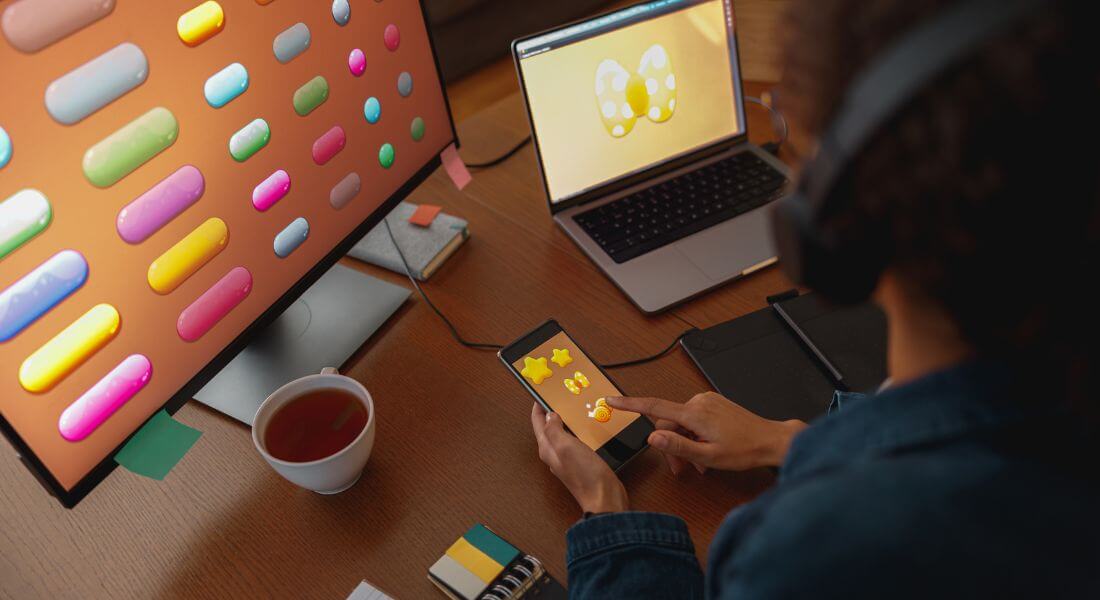
It’s easy to get caught up in visuals and motion graphics, but don’t confuse pretty design with meaningful interaction. Gamified video works best when it gives users a clear goal and a sense of advancement. Think of it like building a mini-journey: can users “level up” by watching more videos, answering questions, or making choices?
Incorporate progress bars, score counters, step indicators, or even a digital “passport” system to show what they’ve achieved and what’s still ahead. This sense of progression taps into the psychology of completion and it’s a powerful motivator to keep watching.
• Start simple and scale as you go
You don’t need to launch a full-blown gamified series from day one. Start with a pilot video that includes a few clickable decision points or a short quiz at the end. You can even repurpose existing content by adding basic interactive layers such as a “What’s next?” choice screen or a reward reveal for viewers who watch to the end.
Simple gamification elements like true/false quizzes, multiple-choice questions, or click-to-unlock bonus content are easy to implement but still highly effective. As you become more comfortable, you can experiment with more complex branching logic, character-based journeys, or integrated reward systems.
• Optimise for mobile and multi-device viewing
Over 70% of video content is consumed on mobile devices, so make sure your gamified experience works seamlessly across smartphones and tablets. Buttons should be easily tappable with thumbs, text should be legible on small screens, and interactive elements should load quickly even on slower networks.
Test your videos on multiple devices before launching to ensure the experience is smooth, responsive, and intuitive. A clunky or glitchy interface will kill engagement, no matter how clever your game mechanics are.
• Align interactivity with business goals
Gamified video isn’t just about fun it should also serve a strategic purpose. Do you want to drive email sign-ups? Increase repeat purchases? Educate users about a loyalty programme or product range?
Plan your interactive elements around those goals. For example, use a quiz to recommend products, a mini-game to introduce new features, or a challenge-based series to encourage app usage. When you align the user’s journey with your brand objectives, you turn engagement into tangible outcomes.
• Track performance and iterate
One of the best parts of using gamified video is the wealth of data it generates. Most interactive platforms let you track metrics like:
- Which choices users made
- Where they dropped off
- Which sections they rewatched
- How many completed the experience
Use these insights to refine your approach. Are viewers skipping certain challenges? Are some reward structures more motivating than others? Don’t treat your first version as final. Think of your gamified content as a live product always evolving based on user feedback and performance.
• Keep the experience on-brand
Gamification doesn’t mean your content should feel gimmicky or out of sync with your brand identity. Maintain your tone of voice, visual style, and messaging throughout the experience. Whether you’re a playful retail brand or a serious B2B company, tailor the mechanics (and the rewards) to your audience’s expectations.
A well-designed gamified video should feel like a natural extension of your brand not a one-off experiment.
• Encourage sharing and social engagement
If your gamified video includes quizzes, scoreboards, or personal recaps, give users an option to share their results. Not only does this boost reach organically, but it also taps into your audience’s desire to show off achievements especially when there’s an element of competition or exclusivity involved.
Consider adding incentives for sharing, such as bonus points, extra entries in a giveaway, or access to premium content.
Final Thought: Why Gamified Video Is More Than Just a Trend
Gamified video content doesn’t just entertain it creates emotional engagement, boosts return visits, and fosters long-term customer loyalty. Whether you’re a global brand or a growing business, integrating simple gamification tactics into your video strategy can significantly impact retention. You can contact our gamification company in London to take your content to the next level with personalised video journeys that keep customers coming back.
