
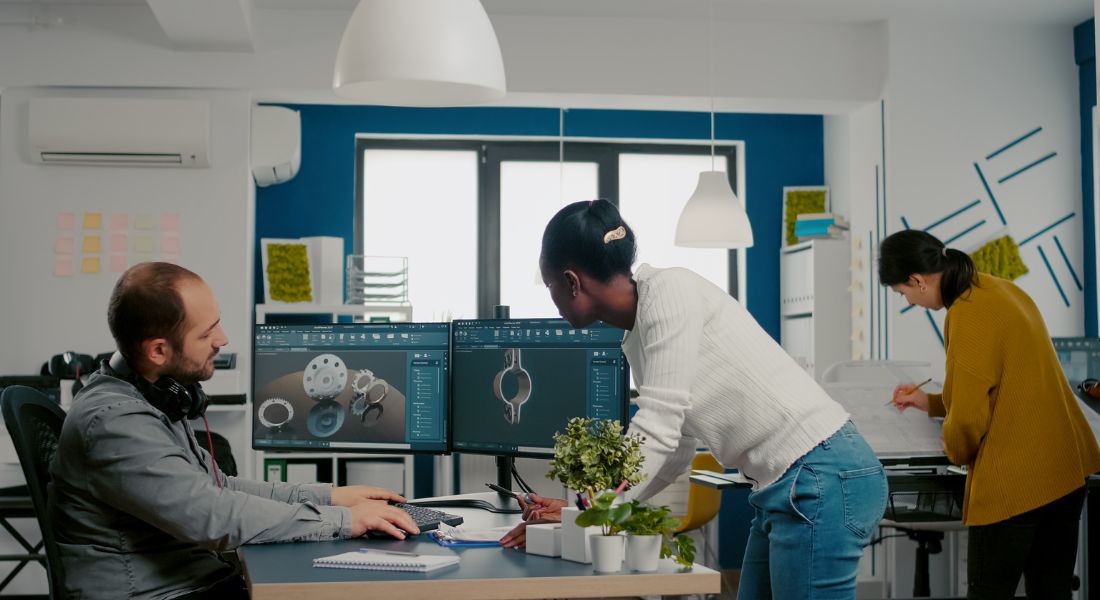
Creating an animation project isn’t just about mastering motion graphics or nailing the final render it starts much earlier, in the concept phase. Whether you’re developing a short film, explainer video, commercial, or eye-catching content for social media, one of the biggest creative hurdles is coming up with fresh, compelling ideas. From sketching out characters and planning key scenes to deciding on a consistent visual style, the early ideation phase plays a critical role in shaping the entire animation.
But what happens when the ideas just aren’t flowing, or your team is up against a tight deadline? That’s where AI agents come in.
Today’s AI tools are more than just novelty gadgets they can act as collaborative brainstorming partners, helping you jumpstart the creative process in ways that are both time-saving and surprisingly imaginative. These AI-powered agents can suggest unique character concepts, offer scene layout ideas, and even generate entire storyboards or style frames tailored to your project’s tone and theme. Whether you’re looking for inspiration or need help refining an existing vision, AI can help reduce creative fatigue and push your concepts further than you might on your own.
In this guide, we’ll explore how to use AI agents to generate high-quality animation concepts from the ground up. You’ll learn how to:
- Prompt AI tools to generate diverse character design ideas
- Get suggestions for setting and scene composition
- Experiment with visual styles and mood boards
- Integrate AI outputs into your pre-production workflow
By using AI to handle the heavy lifting in the early stages, you can spend more of your energy on what really matters bringing your animated vision to life with clarity, originality, and flair.
Why Use AI for Animation Concept Development?
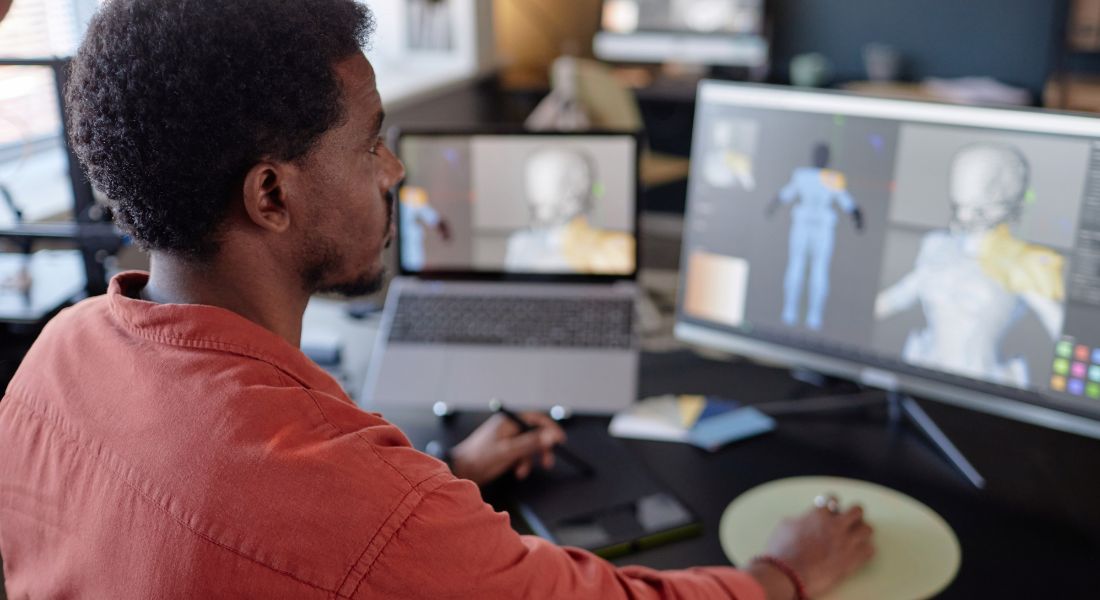
The early stages of animation development brainstorming characters, envisioning worlds, and establishing a visual tone are often the most creatively demanding. It’s where everything begins, and also where many animators or creative teams can get stuck. Fortunately, AI agents can make this part of the process smoother, faster, and surprisingly more inventive.
Here’s how AI tools can support and enhance your animation concept development:
1. Speed Up Idea Generation
Traditionally, ideation can be a slow process involving mood boards, sketches, and long brainstorming sessions. AI accelerates this by rapidly generating dozens of concepts in minutes. Whether you’re looking for a fresh character design, a scene composition idea, or a stylistic theme, AI tools can quickly present multiple options for you to explore.
This can be particularly helpful during tight deadlines, client pitches, or creative blocks. Instead of starting from a blank page, you start with a canvas full of ideas to refine, tweak, and build upon. It’s like having an always-on creative assistant that helps you move from vague thoughts to visualised concepts faster than ever.
2. Enhance Creativity and Inspire New Directions
Sometimes, the most powerful ideas come from the unexpected. AI can suggest angles or concepts that you might never have considered. Trained on vast datasets from classic animation styles to contemporary digital art AI can blend influences and generate hybrid ideas that push the boundaries of conventional thinking.
For example, you might prompt an AI agent to design a hero character for a sci-fi short, and it might return concepts that merge vintage space opera aesthetics with modern cyberpunk influences. These unexpected combinations can spark entirely new creative directions.
3. Save Time with Instant Variations and Feedback
When you’re refining characters or setting up key scenes, iteration is key. Normally, that means redrawing, re-rendering, or resketching dozens of times. With AI, you can generate multiple variations of the same concept in seconds. Want your character with different hairstyles, outfits, or poses? Just tweak the prompt or input parameters, and you’ll have a new batch to review instantly.
This drastically cuts down the time spent on repetitive tasks, allowing you to iterate faster and focus more on artistic refinement and storytelling.
4. Maintain Visual and Stylistic Consistency
One of the most overlooked benefits of AI in animation concept development is its ability to help maintain consistency. Once you’ve decided on a visual tone whether it’s hand-drawn whimsy, slick 3D realism, or something in-between AI can help apply that style uniformly across character designs, backgrounds, and other visual elements.
This is especially useful when working with large teams or juggling multiple concepts at once. By feeding previous outputs or reference samples into the AI, you can ensure that all assets generated align with the established look and feel of your project.
How AI Agents Can Help Generate Animation Concepts
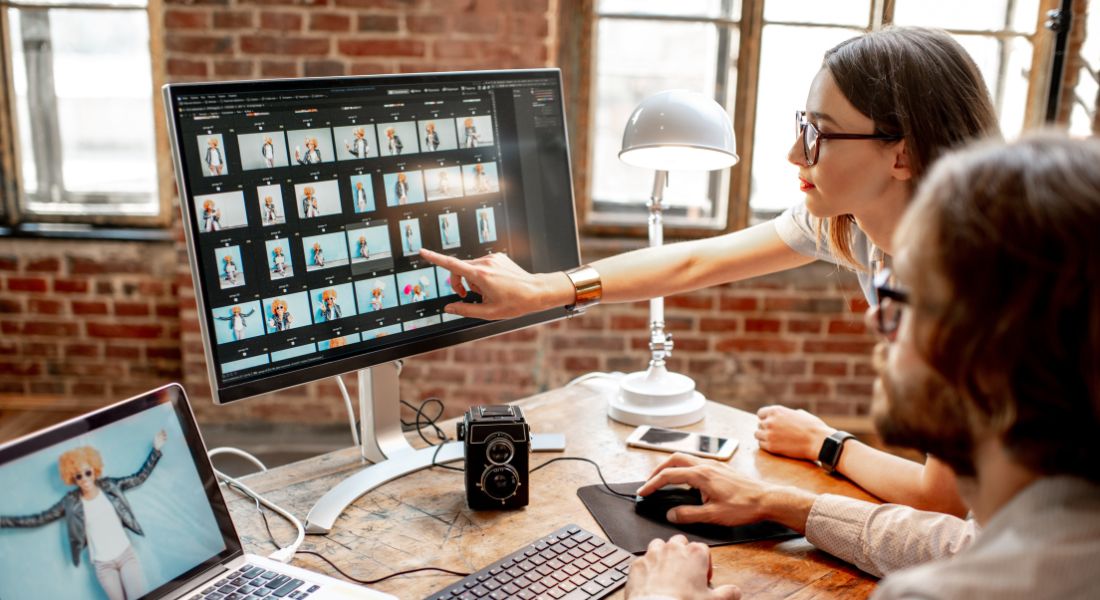
AI agents aren’t just useful for technical automation they can also play a powerful role in the creative ideation process, especially when it comes to animation. From establishing a visual tone to designing characters and developing storyboards, AI tools can accelerate concept development while inspiring more inventive outcomes.
Let’s break down exactly how AI can help you bring your animation ideas to life.
1. Brainstorm Visual Styles
One of the first and most important steps in developing an animation is choosing a visual style. Your style sets the tone of the project and informs everything from the character design to the colour palette, transitions, and background art. Whether you’re creating a sleek tech explainer, a whimsical children’s story, or a dramatic short film, AI agents can help spark inspiration and visual coherence.
How It Works:
- Start by feeding the AI a few descriptive keywords related to your project’s tone and theme words like “futuristic,” “minimalist,” “hand-drawn,” “vintage,” or “playful.”
- The AI can then suggest appropriate animation styles such as 2D vector art, claymation-inspired visuals, hyper-realistic 3D rendering, or clean, flat motion graphics.
- Want a more specific look? You can ask the AI to draw stylistic inspiration from well-known animation studios (like Studio Ghibli or Pixar), individual artists (such as Mary Blair or Moebius), or even design movements (like Bauhaus or Art Deco).
Example Prompt:
“I’m creating a short explainer video for a tech product. Please suggest animation styles that are modern, sleek, and professional ideally something similar to what Apple or Google might use in their product videos.”
This kind of prompt can yield a list of visual approaches that align with your brand and message, helping you get a head start on mood boards and art direction.
2. Generate Character Ideas
Characters are often the soul of an animation whether you’re introducing a product through a mascot, telling a story through an animated protagonist, or personifying abstract concepts. Designing characters that resonate with your audience takes both imagination and attention to detail, which is where AI can lend a helpful hand.
How It Works:
- Input your project brief or creative direction, and AI can suggest a range of character ideas. For instance, if you’re targeting children, it might suggest a cute animal sidekick; for a corporate setting, it might offer clean, minimalist human figures.
- The AI can suggest personality traits, emotional tones, and even character arcs that help drive the story forward.
- For visuals, AI can describe or even generate character mock-ups with different facial features, body shapes, clothing styles, and colour schemes.
- Some tools can go further by creating backstories or assigning voice and mannerism traits, adding more emotional depth to your characters.
Example Prompt:
“I need ideas for an animated character in a commercial. The character should be a fun, energetic mascot for a health drink brand. Suggest visual traits, movement style, and personality features that appeal to a young adult audience.”
The AI might respond with something like: “A bouncy, fruit-themed character with expressive eyes, sporty accessories, and a cheeky but charming personality. Think of a blend between a fitness coach and a cartoon sidekick.”
3. Suggest Scene Setups and Layouts
Once you have a general narrative or concept in place, it’s time to think about how each moment of your animation will be presented visually. AI can assist in breaking your story into scenes and suggesting visual compositions that are dynamic and emotionally effective.
How It Works:
- You can input a script or story outline, and the AI will help divide it into logical scenes with distinct visual transitions.
- Based on the desired emotional tone whether suspenseful, uplifting, humorous, or inspiring the AI will recommend camera movements (like pans, zooms, or over-the-shoulder angles) and scene layouts.
- It can also suggest lighting setups, focal points, and colour schemes to enhance the mood of each scene. For 3D or stylised environments, AI can even offer perspective and depth-of-field cues.
Example Prompt:
“I’m working on a 2-minute animated commercial about a smart home device. Suggest scene setups, camera angles, and lighting ideas that create a futuristic, calm, and high-tech vibe.”
From there, the AI might suggest:
- A slow zoom into a sleek, minimalist living room with soft ambient lighting
- A wide-angle shot of the device interacting with various home elements
- A glowing, blue-toned night scene that conveys peace of mind and advanced technology
These suggestions can then be shared with your storyboard artist or layout designer to bring the visuals to life.
4. Generate Storyboard Concepts
Storyboards are essential for visualising your animation’s flow before you enter production. They help you understand pacing, structure, and the relationship between visuals and narration. AI can help accelerate this phase by creating rough boards, proposing edits, and ensuring narrative clarity.
How It Works:
- AI storyboard tools like Storyboarder, Boords, or RunwayML can turn your scripts into visual panels with character placements, background suggestions, and dialogue placement.
- You can refine these AI-generated frames manually or use them as a starting point to create polished boards later on.
- Many tools also allow you to input changes or re-sequence scenes easily, helping you test different storytelling approaches.
Example Prompt:
“Create a storyboard for a 30-second animation explaining how our product works. Keep the visuals clean and modern, with minimal text, and focus on the user experience from start to finish.”
The AI might generate:
- Opening frame: Close-up of a user looking frustrated at their current setup
- Mid-section: Step-by-step animation of how the product is used
- Ending: A cheerful customer in a modern space with a bold product logo and call to action
Even if the output isn’t final, it saves time and gives your team a visual roadmap to build upon.
Tools to Use for AI-Driven Animation Concept Generation
Whether you’re just getting started on a personal animation project or working with a team on a high-end production, the right AI tools can dramatically simplify the concept development process. From character generation to scene planning and style exploration, here are some of the best AI-powered tools that can boost your creative workflow:
1. Artbreeder
Best for: Character concepts, background elements, and visual exploration.
Artbreeder is a collaborative, AI-powered platform that enables users to “breed” or blend images together to create new visuals. You can manipulate facial features, colour palettes, and artistic styles with sliders, making it especially useful for designing unique characters or experimenting with multiple versions of a concept.
Use Case:
If you’re looking to design a hero and villain for your animated short and want to explore dozens of variations quickly, Artbreeder lets you start with base images and morph them into stylised, expressive characters.
Why It’s Helpful:
It’s fast, intuitive, and doesn’t require advanced design skills. Perfect for visual brainstorming in the early stages of character development.
2. Storyboarder by Wonder Unit
Best for: Quickly drafting storyboards and planning visual narratives.
Storyboarder is a free, open-source tool designed to make storyboarding fast and simple. While not strictly AI-powered in all features, it does include smart tools that help speed up scene sketching and layout decisions.
Use Case:
You’ve written a script for a 60-second animation, and now you need to visualise the flow. Storyboarder allows you to sketch each scene quickly and make notes directly in the panels.
Why It’s Helpful:
It’s incredibly user-friendly, supports direct export to professional editing tools like Adobe Premiere or Final Cut Pro, and helps teams visualise scene transitions without needing polished artwork.
3. DeepAI (Style Transfer Tool)
Best for: Generating unique visual styles and experimenting with art direction.
DeepAI provides a wide range of AI APIs, and one of its most useful features for animators is the style transfer tool. This allows you to apply the visual style of one image (e.g., Van Gogh’s painting or a cel-shaded comic) to another, transforming your base images into stylised artwork.
Use Case:
If you want your animation to have a painterly or surreal look, you can input your rough sketches or reference images and have DeepAI suggest new stylistic interpretations.
Why It’s Helpful:
It’s an excellent way to find or develop a visual identity for your project especially when working with mixed media or hybrid styles.
4. Runway ML
Best for: Video-to-video concepting, image generation, and creative prototyping.
Runway ML is an advanced creative suite that uses AI to enable new forms of animation and video editing. With features like Text-to-Image, Image-to-Video, and Video Style Transfer, you can quickly test out animation aesthetics, generate backgrounds, or explore motion concepts before animating anything manually.
Use Case:
You want to animate a static storyboard frame to see how it might look in motion. Runway ML allows you to animate stills, apply motion styles, or even simulate different lighting and camera angles.
Why It’s Helpful:
It’s powerful enough for professionals but accessible enough for indie creators. Great for rapid prototyping and pitching ideas to clients or teams.
5. Canva’s AI Animation Tools
Best for: Beginners and quick-turnaround projects.
Canva now includes several AI-enhanced features, including simple animation presets, auto-background removal, and AI-generated design suggestions. While it’s not as complex as tools like Runway ML, it’s an ideal platform for quick mockups or social media animations.
Use Case:
You’re creating a short animated explainer or social post and need basic character movement, transitions, and design consistency without learning After Effects.
Why It’s Helpful:
Canva is intuitive and browser-based, making it accessible to marketers, students, and early-stage creators who need good-looking results fast.
Final Thought: Let AI Supercharge Your Animation Process
Using AI agents for generating animation concepts can dramatically speed up your creative process and provide fresh, innovative ideas that align with your project’s vision. From suggesting visual styles to brainstorming character designs and creating detailed scene setups, AI tools can help you take your animation projects to the next level.
You can contact our animation company in London to take your video content to the next level. Whether you’re using AI tools to streamline the creative process or need professional help bringing your animation concepts to life, we’re here to support you in creating outstanding content.
