

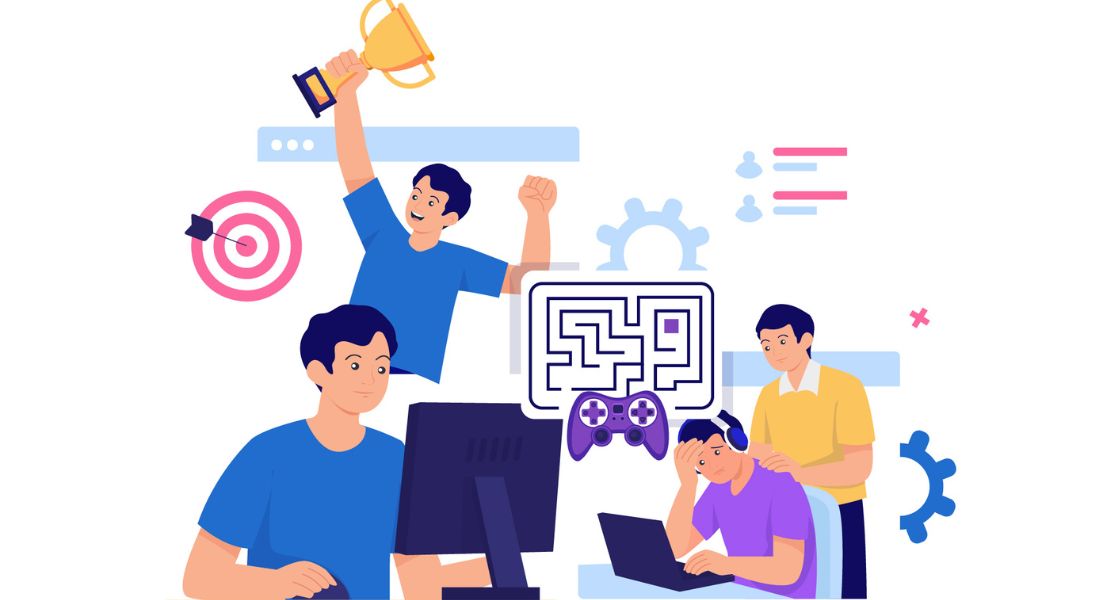
Gamification has become one of the most powerful strategies for enhancing viewer engagement in videos especially when it comes to marketing, training, or educational content. By integrating interactive game mechanics like points, levels, badges, and progress tracking, video creators can transform passive watching into active participation. This results in improved retention, better learning outcomes, and higher conversion rates. In short, gamified videos don’t just entertain they motivate.
But while the benefits of gamification are well established, designing an effective reward system is far from simple. You have to consider user psychology, balance difficulty levels, ensure consistent pacing, and deliver just enough challenge to keep users motivated without overwhelming them. Doing all this manually can be time-consuming, especially if you’re working with complex branching narratives or user-specific learning paths.
That’s where AI agents come in.
AI-powered agents can analyse viewer behaviour, adapt content in real time, and automate the design of smart reward systems that feel personal and meaningful. Instead of relying solely on guesswork or generic frameworks, you can use AI to craft a dynamic gamification model tailored to your audience’s needs, preferences, and performance. Whether you’re producing an interactive video quiz, a product training series, or a story-driven marketing campaign, AI can help you build a reward system that keeps viewers engaged from start to finish and keeps them coming back for more.
In this guide, we’ll walk you through how to use AI agents to design effective reward systems for your gamified videos. From setting up a logical structure for points and levels, to implementing adaptive badges and real-time incentives, you’ll learn how AI can take your video engagement strategy to the next level.
Why Use AI Agents for Designing Reward Systems?

Creating an engaging reward system for gamified videos requires more than just throwing in some points or badges it demands a clear understanding of your audience, their behaviour, and what motivates them to keep watching and interacting. This is where AI agents can make a meaningful impact. Let’s explore why they’re such a valuable tool in designing reward systems:
1. Efficiency and Time-Saving
Designing a reward system from scratch is no small feat. It typically involves multiple planning stages mapping how points are earned, when users unlock achievements, how they level up, and making sure everything stays balanced and fun. Doing this manually can take days or even weeks, especially if you’re working with a large or complex video structure.
AI agents streamline this entire process. With access to your content’s framework and goals, an AI system can rapidly generate a reward scheme that aligns with your objectives. These agents are capable of analysing key aspects like viewer drop-off points, content pacing, and interaction opportunities, and then using that data to build a strategic, effective reward pathway.
What might require extensive back-and-forth collaboration among creative, tech, and data teams can now be handled in a fraction of the time without compromising on quality or cohesiveness. This efficiency means you can go from concept to execution much faster, freeing your team to focus on higher-level creative decisions instead of getting bogged down in logistics.
2. Personalisation at Scale
Traditional reward systems often use a one-size-fits-all model, offering the same incentives to every viewer regardless of how they engage with the content. But not every user is motivated in the same way. Some are driven by competition and points, while others may be more interested in unlocking exclusive content or progressing through narrative milestones.
AI agents have the unique ability to personalise the experience for each individual. By tracking how viewers interact with your video what they click, how long they watch, where they pause or drop off AI can create a dynamic reward system that adapts in real time. For instance, if a user is struggling with a particular section, the AI could lower the threshold for earning a reward, helping to maintain motivation. Alternatively, for a power user blazing through levels, the system could introduce tougher challenges or bonus content to keep things interesting.
This kind of personalisation leads to greater user satisfaction. Viewers feel seen and understood, and that makes them far more likely to stay engaged and return for future content. Instead of pushing everyone through the same path, AI ensures each viewer’s journey is optimised for their preferences and behaviours.
3. Seamless Scalability
As your content library grows whether you’re adding new video modules, expanding into new topics, or launching full-scale interactive campaigns your reward system needs to grow with it. Manually updating gamification mechanics across dozens or hundreds of video touchpoints is time-consuming and increases the risk of inconsistencies or missed opportunities.
AI agents solve this problem by offering seamless scalability. Because they continuously analyse engagement metrics and system performance, these tools can automatically evolve your reward structure in response to new content or audience changes. For example, if you introduce a new learning module, the AI can immediately integrate it into the broader reward system, assigning appropriate points, levels, or badges based on existing viewer patterns.
This scalability means your system remains cohesive, even as you expand. Whether you’re serving hundreds of users or tens of thousands, AI ensures a consistent and engaging experience across the board. Your team doesn’t have to constantly play catch-up AI takes care of the scaling automatically and intelligently.
4. Smarter, Data-Driven Decisions
Perhaps the most valuable advantage of using AI agents is their ability to turn raw data into actionable insights. A reward system isn’t something you just set and forget. You need to monitor its performance, adapt to changing user behaviours, and test different approaches to maximise engagement.
AI agents make this process far easier and more effective. By continuously collecting and analysing user interaction data clicks, completion rates, drop-offs, time spent on tasks AI can pinpoint exactly what’s working and what’s not. Is a specific badge failing to drive engagement? Are users dropping off before reaching a key reward? The AI can highlight these issues and recommend changes or even implement them automatically.
This creates a continuous feedback loop: AI designs the system, observes how it performs, and makes ongoing improvements based on real behavioural patterns. You’re not relying on gut instinct or trial and error. You’re building and optimising your reward system using hard data and adaptive logic, which leads to a much more successful gamification strategy over time.
How to Use AI Agents to Design Reward Systems for Gamified Videos

1. Define Your Video’s Goal and Reward Criteria
Before diving into the technical side of reward system creation, it’s essential to define the goals of your video and how gamification will support them. Are you aiming to increase viewership, improve retention, boost time spent watching, or encourage interaction with specific elements?
Clarifying this from the start will help shape the type of rewards you offer. For example, if your goal is to improve completion rates, your reward system might focus on unlocking new levels or giving badges at key milestones. If your aim is interaction, then points could be awarded for clicking through choices or answering quiz questions.
How AI Helps:
AI agents can assist by analysing your content objectives and recommending suitable gamification mechanics. Based on your goals, AI can propose systems like:
- Points for time watched or tasks completed
- Badges for reaching milestones
- Levels that unlock with consistent engagement
For instance, if your goal is to increase engagement, an AI agent may suggest a level-based system that encourages viewers to interact with every part of your video. It can also help adjust thresholds so the reward system feels motivating without being too easy or too hard.
Example Prompt:
“Design a reward system where users earn points for every minute watched, with levels unlocked for continuous engagement.”
2. Create Points and Level Systems
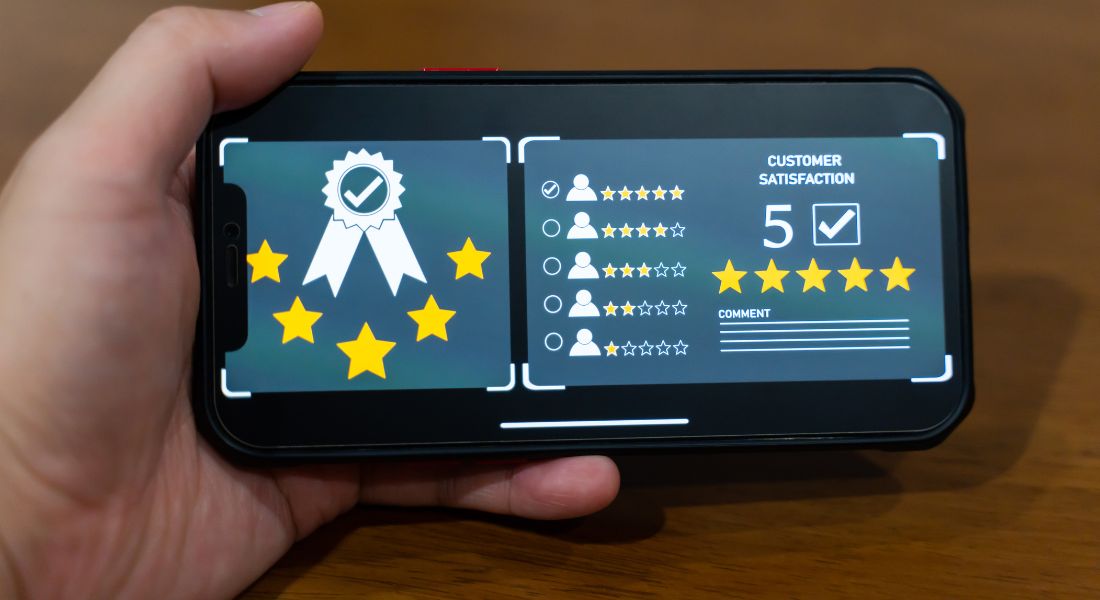
Points and levels form the backbone of most gamified experiences. They give users a sense of achievement and progress, encouraging them to stay engaged and continue interacting with your video. When designed thoughtfully, these mechanics can help drive specific user behaviours like watching longer, participating more actively, or returning to new content over time.
However, deciding how many points to award for each action, and how quickly users should level up, can be tricky. That’s where AI agents come in.
How AI Helps:
AI agents can help you create a balanced and motivating points system by analysing common user behaviours and determining which actions are most valuable to your goals. For instance, AI can automatically assign point values to activities such as watching a video, clicking interactive elements, leaving a comment, or sharing with others.
It can also calculate level progression based on these behaviours. For example, if users earn 10 points per view and 100 points are needed to reach Level 2, the AI can monitor engagement trends and adjust thresholds to keep users motivated without making the system too easy or too hard.
AI can even personalise point distribution. If one user is more active in commenting while another prefers watching content to the end, the AI might weigh those behaviours differently creating a more tailored and satisfying experience.
Example Prompt:
“Generate a points system for my video, where users earn 10 points per view, 50 points for commenting, and 100 points for sharing the video. Create level thresholds based on user activity.”
3. Incorporate Badges and Achievements
Badges are a simple yet powerful way to provide instant rewards and recognition. They serve as visible markers of achievement, encouraging viewers to keep engaging with your content to unlock more. Unlike points, which accumulate over time, badges often celebrate specific actions or milestones making them feel more special and goal-oriented.
Whether it’s “First Comment,” “Video Completion,” or “Top Engager,” these small tokens can go a long way in motivating users and increasing repeat interactions.
How AI Helps:
AI agents can take the guesswork out of badge creation by analysing your content and audience behaviours to suggest relevant, meaningful achievements. For instance, if users tend to stop watching before the end of a video, AI might recommend a “Full Watch” badge to incentivise completion.
AI can also automatically track user activity and assign badges in real time as milestones are reached such as watching a certain number of videos, completing an interactive quiz, or sharing content on social media.
Beyond predefined rewards, AI can generate custom badges tailored to your video’s theme or campaign goals. For example, if you’re creating an educational series, AI might suggest badges like “Quiz Master” or “Lesson Champion” based on performance and participation.
Example Prompt:
“Design a badge system where users receive badges for watching multiple videos, sharing content on social media, and interacting with quizzes. Include milestone badges like ‘First Share’ and ‘Quiz Completed.’”
4. Automate Rewards Based on User Engagement
One of the most exciting advantages of using AI in gamified video systems is the ability to automate how and when rewards are given based on real-time user behaviour. Rather than using a static, one-size-fits-all reward structure, AI allows you to deliver rewards dynamically, tailored to how each viewer interacts with your content.
This creates a more responsive and personalised experience that keeps users engaged and encourages continued participation.
How AI Helps:
AI agents can monitor viewer activity in real time, tracking behaviours such as how often someone watches your videos, how long they stay, whether they comment, complete quizzes, or share your content. Based on this data, the AI can offer timely and relevant incentives like bonus points, surprise badges, or early access to new content.
For example, a user who watches five videos in a week might automatically earn bonus points or unlock a new level. Someone who regularly comments or shares content could receive a “Super Engager” badge. This kind of smart reward system ensures that high-value behaviours are acknowledged and reinforced, making users more likely to stay engaged over time.
AI can also detect patterns such as a drop in activity and respond by offering gentle nudges or exclusive perks to re-engage users who might be losing interest.
Example Prompt:
“Automatically offer bonus points for users who watch 5 videos in one week and give a unique badge to users who comment on every video.”
5. Use AI to Analyze and Optimize the Reward System
Once your gamified reward system is live, the job isn’t over. For long-term success, it’s important to monitor how users are responding to the system and make adjustments as needed. This ensures the experience remains engaging, fair, and challenging for both new and returning viewers. AI can play a key role in helping you do this effectively and efficiently.
How AI Helps:
AI agents can continuously collect and analyse data on how users are interacting with your rewards tracking which badges are most commonly earned, how many users reach each level, and which actions are being taken most frequently. If the data shows that most users are reaching the highest level too quickly, AI can recommend increasing the difficulty or adding more progression steps. If few users are earning badges, it might suggest lowering thresholds or introducing smaller milestone achievements.
AI can also detect signs of disengagement and suggest new rewards or incentives to re-capture interest. For example, if engagement drops after the third video in a series, AI could recommend introducing a surprise badge or a bonus point offer at that stage to re-energise viewer participation.
Over time, AI’s ongoing analysis helps you fine-tune the entire system making it more rewarding, more motivating, and better aligned with your audience’s evolving behaviours and expectations.
Example Prompt:
“Analyze user behaviour and suggest adjustments to the reward system to ensure it remains engaging for new users and retains long-term viewers. Identify any points where users drop off and recommend incentive changes.”
Final Thought: The Smarter Way to Reward Engagement
Using AI agents to design reward systems for your gamified videos is an excellent way to engage your audience and motivate them to interact more with your content. With AI’s ability to automate tasks like points tracking, level management, and badge creation, you can focus on the creative aspects of your video production, while the AI handles the data-driven components.
You can contact our gamification agency in London to take your content to the next level. Whether you’re looking to boost engagement, retention, or interaction, we can help you design a reward system that keeps your viewers motivated and coming back for more.
