


When it comes to creating video content for your brand, one of the first and most important decisions you’ll face is choosing the right video style. The format you choose can shape the way your message is delivered, how your audience responds, and even how much you’ll spend. With several options on the table namely live action, animation, and interactive videos it’s easy to feel overwhelmed. Each has its strengths, limitations, and ideal use cases.
Live action might seem like the obvious choice if you’re after a human, relatable touch. Animation can simplify complex ideas and add a touch of fun or sophistication. Meanwhile, interactive videos take things a step further, turning passive viewers into active participants. But which one truly fits your brand, your message, and your budget?
In this guide, we’ll take a closer look at all three formats. We’ll compare live action, animation, and interactive video across four key factors: their best use cases, production costs, timelines, and potential for audience engagement. By the end, you’ll have a clear understanding of how each format works and which one is the best fit for your goals.
What Are Live Action, Animation, and Interactive Videos?
Before we get into the details of how these video styles compare, it’s important to understand what each one actually involves. Let’s take a closer look at what defines live action, animation, and interactive videos so you’ll have a solid foundation for deciding which format might be the best fit for your next project.
Live Action Videos

Live action videos are filmed using real people, real locations, and real-world objects. This format typically involves a production crew, professional actors or presenters, lighting setups, and on-location or studio shoots. It’s the most traditional form of video content and is great for capturing authentic human emotions, facial expressions, and body language. Live action is often used in brand storytelling, product demos, customer testimonials, interviews, and behind-the-scenes videos. It’s especially effective when you want your audience to connect with real people or see your product in action.
Animation Videos
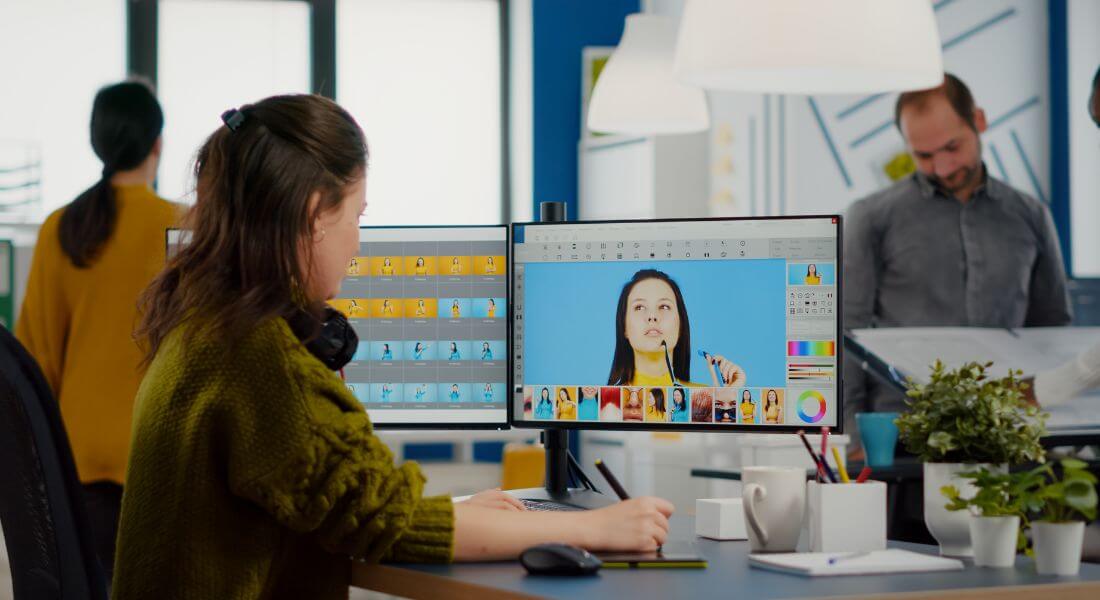
Animated videos are created using digitally generated graphics, illustrations, or motion design. They don’t require cameras or physical sets instead, everything is built digitally. This format is ideal for simplifying complex ideas, visualising abstract concepts, or adding a bit of whimsy and playfulness to your message. There are many types of animation, from 2D explainer videos and character-based storytelling to 3D product walkthroughs and whiteboard animations. Brands often choose animation when they want to maintain full creative control, keep costs flexible, or avoid the logistics of a live shoot.
Interactive Videos

Interactive videos go beyond passive viewing. They allow the audience to engage directly with the content by clicking, swiping, answering questions, or choosing between different story paths. These videos can include clickable hotspots, branching narratives, quizzes, product selectors, and more. Interactive formats create a two-way experience, encouraging users to participate rather than just watch. They’re incredibly effective for boosting engagement, collecting data, guiding viewers through a sales funnel, or offering tailored experiences based on viewer choices. This style is often used in e-learning, marketing campaigns, recruitment videos, and product customisation tools.
Key Factors to Consider
1. Use Cases
Each video style shines in different scenarios, so understanding where and how each format works best will help you match your choice to your business objectives. Whether you’re aiming to build trust, explain a product, or boost user engagement, selecting the right format can significantly impact your results.
Live Action
Best For: Brand storytelling, product demos, customer testimonials, behind-the-scenes content, and culture videos.
Why: Live action video delivers a sense of authenticity that resonates with viewers. It captures real people, real emotions, and real environments, helping audiences feel connected to your brand on a human level. This is especially useful if you want to showcase the faces behind your company, highlight customer experiences, or give a peek into your daily operations. Live action is also perfect when you want to demonstrate how a product works in real-life situations or build credibility through unscripted moments and genuine interactions.
Animation
Best For: Explainer videos, educational series, product overviews, and branding campaigns.
Why: Animation offers a high degree of creative freedom and flexibility. You can bring abstract concepts to life, simplify complex information, and create a visual world that perfectly reflects your brand identity. For businesses with technical or intangible products like software, digital services, or financial tools animation can help turn something potentially confusing into a clear and engaging story. It also allows for a consistent visual style, which is helpful for building brand recognition over time. From kinetic typography to character animation, the possibilities are nearly endless.
Interactive
Best For: Interactive product tours, customer onboarding, staff training, recruitment campaigns, and personalised user experiences.
Why: Interactive video transforms passive viewing into active participation. Viewers can click, choose, explore, and even shape the direction of the content based on their interests or needs. This format is particularly effective for guiding users through step-by-step processes, offering tailored product demos, or helping new employees learn at their own pace. Because users are actively involved, they tend to retain more information and feel more invested in the experience. Interactive video is also a powerful tool for gathering user data and insights, allowing you to refine your content strategies even further.
2. Cost
Budget plays a big role when deciding which video style is the right fit for your project. While all video formats can deliver strong results, the production costs can vary significantly based on the style, complexity, and resources required. Here’s a closer look at the typical cost range for each:
Live Action
Average Cost: Medium to high (depending on scale, talent, and production complexity)
Why: Live action often involves multiple moving parts camera crews, lighting setups, location rentals, actors or presenters, set design, wardrobe, props, and post-production editing. These elements can quickly add up, especially if you’re shooting across multiple locations or require high-end cinematography. That said, live action can be incredibly impactful, especially for stories that rely on real human emotion or authenticity. For businesses looking to build trust or showcase products in use, the return on investment can be well worth the higher price.
Animation
Average Cost: Low to medium (based on style and detail level)
Why: Animation typically offers more control over time and budget, especially with simple 2D graphics or motion typography. These can be produced relatively quickly and at a lower cost compared to live action. However, if you’re aiming for rich visuals, complex character animations, or fully rendered 3D environments, costs can climb due to the level of artistic and technical expertise involved. Still, for many brands, animation remains one of the most cost-effective ways to explain products or communicate big ideas in a visually engaging way.
Interactive
Average Cost: High (due to technical requirements and user experience design)
Why: Interactive video requires both creative and technical input scripting, branching storylines, custom UX/UI design, interactive overlays, and specialised development platforms. Because it blends video production with software development, the upfront cost tends to be higher than traditional video formats. However, the benefits are significant. Interactive content increases viewer retention, encourages active participation, and can collect valuable user data. For businesses prioritising personalisation or training, the added investment often results in stronger engagement and better long-term value.
3. Timelines
Production timelines vary greatly depending on the type of video you’re creating. Some formats can be turned around relatively quickly, while others require careful planning and more time to bring to life. Here’s a breakdown of what to expect:
Live Action
Timeline: Medium to long (typically 2–6 weeks or more)
Why: Live action projects involve several moving parts, each of which adds time to the overall process. Pre-production alone can take a week or more, as it includes scriptwriting, casting actors or presenters, securing filming locations, organising props and wardrobes, and storyboarding scenes. The shoot itself might only take a few days, but post-production editing footage, adding sound design, colour correction, and possibly motion graphics extends the timeline. If your shoot requires travel, multiple locations, or external talent, allow for additional scheduling and coordination time.
Animation
Timeline: Medium (around 2–4 weeks for simple animations; up to 8 weeks or more for complex styles)
Why: One of the benefits of animation is that you don’t need to coordinate physical shoots, which can make production smoother. However, that doesn’t mean it’s instant. The timeline depends largely on the complexity of the animation style. Simple explainer videos with motion graphics can often be completed in a few weeks. On the other hand, 3D animations, character-driven stories, or highly detailed visuals may take several weeks or even months, as they involve modelling, rigging, animation, and rendering. Still, animation allows for a high level of control throughout the process, making it easier to stick to schedules once production begins.
Interactive
Timeline: Long (4–12 weeks or more, depending on complexity)
Why: Creating interactive video is more like building a small digital product than producing a traditional video. You’ll need time for both video production and software development. Beyond writing the script and filming or animating the core content, there’s additional planning involved in designing interactive pathways, user interface elements, clickable hotspots, and backend logic. Each decision point and branching scenario must be carefully mapped out and tested to ensure a seamless user experience. Debugging and testing alone can add several days or even weeks to the timeline, especially if the project includes data capture or integration with other systems.
4. Viewer Engagement
Creating a video is only half the battle the real goal is getting viewers to watch, interact, and remember what they’ve seen. Engagement plays a vital role in how well your message lands and whether your audience takes the next step. Different video styles come with different strengths in this area. Let’s break it down:
Live Action
Engagement: High especially when the story feels authentic or emotionally resonant.
Why: Live action captures real people, genuine expressions, and relatable situations, which helps form an immediate emotional connection with viewers. Whether it’s a heartfelt testimonial, a behind-the-scenes look at your team, or a candid product demo, the human element can draw viewers in and keep them watching. People naturally respond to faces and voices, making live action an excellent choice when trust and relatability are key to your message. When executed well, it can boost likes, shares, and comments, particularly on social media platforms.
Animation
Engagement: High especially effective for younger audiences or content that needs visual clarity.
Why: Animation has a unique ability to grab attention and simplify complex ideas. Bright visuals, fluid movement, and creative storytelling make animated videos highly engaging across a wide age range. They’re particularly useful for educational content or explainer videos where you need to break down technical or abstract topics in a way that’s easy to understand. Animation also lets you maintain a fast pace and visual interest, helping reduce drop-off rates and increasing the chances your audience will watch the video all the way through.
Interactive
Engagement: Very high because viewers are actively involved in the experience.
Why: Interactive video takes engagement to the next level by turning passive viewers into active participants. Whether you’re asking them to make choices, answer questions, or explore different content paths, viewers stay more focused because they’re not just watching they’re part of the story. This type of video is especially powerful in training environments, e-learning, product demos, or customer journeys that benefit from personalisation. By encouraging real-time decisions, interactive videos can significantly increase dwell time, completion rates, and overall viewer satisfaction.
Which Video Style is Right for You?
Still unsure which video format suits your goals best? Here’s a quick yet detailed guide to help you decide between live action, animation, and interactive video based on your message, audience, and business objectives:
Go for Live Action if:
- You need to humanise your brand or tell a real-life story.
Live action helps build emotional connections with your audience by showing genuine people, emotions, and environments. If your goal is to make your brand feel relatable, trustworthy, and authentic, live action is the most effective route. - You’re promoting a physical product or showcasing real-world scenarios.
Whether you’re giving a product demonstration or showing how your service works in real-time, live action provides the clarity and realism needed to help audiences visualise the offering in action. - Your audience prefers seeing real people and experiences.
For industries like healthcare, education, hospitality, or services where trust and credibility are critical, viewers often respond better to real faces and unscripted testimonials than animated or abstract content.
Go for Animation if:
- You need to simplify complex ideas or want to create a unique visual identity.
Animation is ideal for distilling technical or abstract information into digestible, visual storytelling. You can use characters, infographics, or symbolic visuals to guide viewers through your message in an easy-to-understand way. - You’re aiming for an engaging, creative video that entertains as well as educates.
With vibrant colours, dynamic motion, and endless creative freedom, animation can captivate your audience and keep them watching longer especially when you want to maintain a playful or visually consistent brand tone. - Your content is concept-heavy or deals with abstract topics.
If you’re explaining something that can’t be filmed like a digital service, software process, or scientific concept animation offers the flexibility to visualise the unseen. It can take your viewers anywhere, from a microscopic cell to an imaginary future.
Go for Interactive if:
- You want to maximise engagement by allowing users to interact with the content.
Interactive videos are designed to break the fourth wall, encouraging viewers to participate actively rather than passively watch. This creates a stronger connection and keeps people engaged for longer durations. - Your video content requires decision-making or personalised experiences.
If your goal is to guide users through multiple outcomes such as choosing product features, customising services, or receiving tailored advice interactive video is the most effective way to let viewers take control of their journey. - You’re building a training module, product tour, or quiz.
Interactive formats shine in environments where learning, exploration, or testing is the focus. They’re great for internal training, onboarding processes, compliance education, or customer walkthroughs where you want to ensure understanding and participation.
Final Thought: Bringing Your Vision to Life with the Right Video Style
Choosing the right video style live action, animation, or interactive depends on your project goals, budget, and target audience. Each style has its strengths, so it’s essential to align your video content with your overall marketing objectives.
You can contact our video production company in London to take your video content to the next level. Whether you’re looking to create an engaging animated explainer or a live-action demo, we can help bring your vision to life.
