
AI-driven character animation is rapidly reshaping the way animators bring digital characters to life. Where once every gesture, facial twitch, and movement had to be painstakingly created by hand, today’s AI-powered tools can generate these details in a matter of seconds. This shift is transforming not just the speed of production but also the level of realism and believability that animated characters can achieve.
One of the most exciting areas of development is facial motion capture. AI can now track subtle human expressions such as the way a smile gradually spreads across the face or how the eyes respond to emotion and translate them directly onto digital characters with astonishing accuracy. This allows animators to create performances that feel authentic and emotionally engaging, bridging the gap between human expression and digital representation. For filmmakers, game developers, and content creators, this means characters that connect with audiences on a deeper emotional level.
Gesture automation is another breakthrough changing workflows. Instead of animators manually adjusting every limb movement or posture, AI can predict natural gestures based on context, dialogue, or emotional tone. This doesn’t just save time; it creates animations that flow more organically and resonate with audiences. Animators can refine these AI-generated gestures to match the nuances of a character’s personality, giving them more time to focus on storytelling instead of technical details.
The bigger question is what AI can realistically do for animation today. While it’s not replacing human creativity, it is becoming a powerful collaborator handling repetitive tasks, speeding up production timelines, and giving artists more space to focus on narrative, style, and character development. The combination of human artistry and AI precision is setting the stage for a future where animated characters feel more alive than ever before.
Beyond efficiency, AI is also democratising animation by making advanced tools more accessible to smaller studios, independent creators, and even hobbyists. Features that were once limited to big-budget productions are now available through affordable software and cloud-based platforms. This levelling of the playing field means more diverse voices and unique stories can be brought to life, ultimately enriching the animation industry as a whole.
Another key advantage is the speed of iteration. In traditional animation, testing different character designs, expressions, or movement styles could take weeks of manual adjustments. With AI, animators can quickly generate multiple variations and instantly see which works best. This rapid feedback loop encourages experimentation, fosters creativity, and allows teams to explore bold ideas without the fear of wasted effort or missed deadlines.
Ultimately, AI is not here to replace animators but to empower them. By taking care of time-consuming technical work, AI opens the door for professionals to focus on what they do best crafting stories, building worlds, and shaping characters that leave a lasting impression. Right now, AI-driven animation is proving to be less of a replacement for human skill and more of a creative partner, one that is redefining the boundaries of what’s possible in animation.
1. Facial Motion Capture Powered by AI
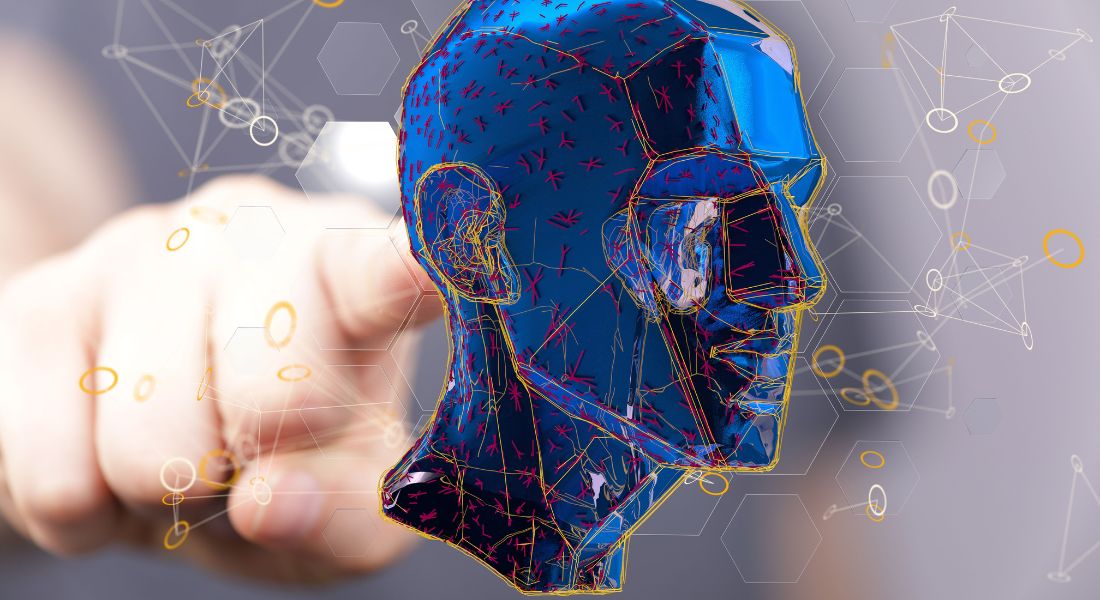
AI technologies such as deep learning and machine learning are revolutionising facial motion capture, making it far more efficient and accurate than ever before. Traditionally, capturing an actor’s facial movements required expensive equipment, dedicated studios, and extensive manual cleanup of data. Now, with AI-powered systems, subtle expressions like a raised eyebrow, a smirk, or even micro-expressions that convey emotion can be recorded and translated directly onto digital characters with impressive precision.
This shift not only speeds up the process but also reduces the barrier to entry for smaller studios and independent creators. What once took hours of technical adjustments can now be achieved in minutes, allowing animators to focus on refining performances rather than wrestling with raw data. The result is characters that feel more lifelike, expressive, and capable of connecting with audiences on an emotional level.
Key Benefits:
- Faster production times: With AI taking over the most complex and repetitive aspects of motion capture, animators no longer have to spend weeks perfecting the alignment between an actor’s performance and a character’s face. Automated tracking and data processing drastically cut down production timelines, allowing studios to deliver projects more quickly without compromising on quality. This is especially valuable in fast-paced industries such as gaming and advertising, where tight deadlines are the norm.
- More natural facial expressions: One of the standout advantages of AI-driven facial capture is its ability to read and replicate even the smallest human expressions. Advanced algorithms can recognise subtle muscle movements around the eyes, mouth, and cheeks, which gives animated characters a far greater emotional range. This realism helps audiences suspend disbelief and form stronger emotional connections with digital characters, making them feel less robotic and more human.
- Less reliance on expensive equipment: In the past, high-end facial capture systems required dozens of cameras, special suits, and controlled studio environments. AI has lowered that threshold dramatically. Today, many AI-powered solutions can generate high-quality results with just a single camera or even a smartphone. This democratisation of tools means independent creators and smaller studios can now achieve results that once required blockbuster budgets.
- Greater creative freedom: Because AI speeds up technical processes and reduces production costs, animators are free to experiment with performances rather than being restricted by time or budget constraints. They can test multiple variations of a scene, play with exaggerated expressions, or push creative boundaries in ways that would have been impractical before. The result is richer storytelling and more opportunities to innovate in the world of animation.
2. Gesture Automation: The New Frontier
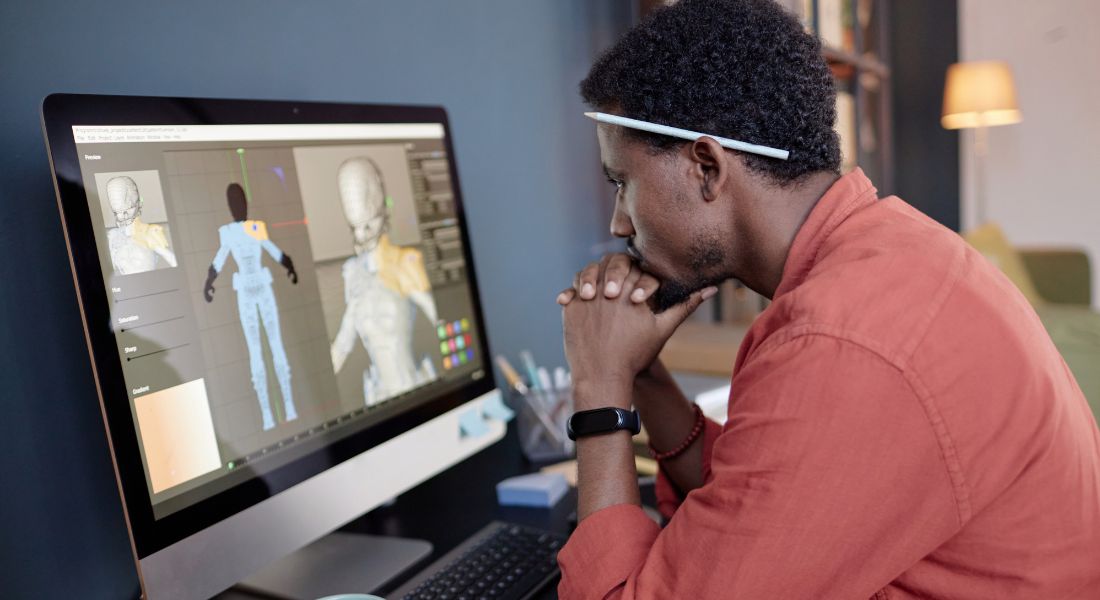
AI is pushing the boundaries of what’s possible in character animation by automating body and hand gestures with remarkable accuracy. Traditionally, animators had to carefully construct movements frame by frame, ensuring that every motion from a character waving to a subtle hand gesture looked natural and fluid. This process was not only labour-intensive but also required an exceptional eye for detail. With AI-powered gesture automation, much of this manual work is eliminated. By training algorithms on vast motion capture datasets, AI can now predict and replicate human movement patterns, translating them seamlessly into digital characters.
The result is animation that feels dynamic, lifelike, and efficient to produce. Animators no longer need to start from scratch for every action; instead, they can rely on AI to generate a natural baseline of movement, which can then be fine-tuned to match the personality or style of a character. This saves valuable production time while still giving artists creative control over the final output.
Applications:
- Real-time animation during live performances: AI-powered gesture automation enables animators and performers to bring digital avatars to life instantly. By tracking body movements in real time, AI can map them directly onto animated characters, making it possible to create live shows, virtual concerts, and interactive broadcasts with digital performers that move fluidly alongside their human counterparts.
- Rapid prototyping of animated sequences: In the early stages of production, speed matters. Gesture automation allows animators to quickly test how characters might move in different scenarios without investing days into manual work. This rapid prototyping helps directors and creative teams visualise ideas faster, refine storyboards, and experiment with different styles of movement before committing to the final version.
- Enhanced efficiency for video games and interactive media: In industries like gaming, where player actions demand countless unique animations, gesture automation offers a game-changing solution. Instead of creating thousands of individual animations manually, AI can generate realistic character movements on demand, adapting them to different gameplay contexts. This leads to smoother, more immersive experiences while freeing up developers to focus on gameplay design and world-building.
3. Style Transfer: Blending Artistic Styles with AI
Style transfer technology, powered by AI, is opening up an entirely new dimension in animation. This technique enables animators to apply different visual styles to characters or entire scenes, seamlessly blending traditional artistry with digital workflows. Instead of painstakingly recreating a specific style by hand, AI can analyse patterns, textures, and colour palettes from reference art and apply them directly to animation frames. This means that a project can mimic the brushstrokes of a classic painting, the sharp lines of Japanese anime, or even invent entirely new visual aesthetics all without starting from scratch.
For animators, this represents a huge shift in how creative visions can be realised. Rather than spending weeks or months developing a consistent visual style manually, AI-driven style transfer offers a faster, more flexible way to experiment with looks and fine-tune artistic direction. It provides a bridge between the craftsmanship of traditional art and the speed of modern digital production, ensuring that creativity isn’t compromised by time or resource constraints.
Why It’s Groundbreaking:
- Reduces the need for hand-drawing every frame: In traditional animation, maintaining a consistent artistic style required countless hours of manual work. With style transfer, AI can automatically apply the chosen aesthetic across frames, dramatically reducing workload while preserving visual coherence. This makes it possible to complete projects faster while still achieving a handcrafted feel.
- Allows for more creative freedom: By taking over the technical challenge of applying styles, AI frees animators to focus on experimenting with different artistic directions. They can easily test multiple looks such as realistic textures, abstract visuals, or painterly effects before deciding on the one that best enhances the story. This flexibility empowers creators to push boundaries without being limited by the slow pace of manual adjustments.
- Facilitates faster experimentation with different art styles: Animation often involves a long trial-and-error process to find the right tone and visual identity for a project. AI-driven style transfer speeds this up significantly. Teams can instantly preview how characters and environments would appear in different styles, compare results, and pivot quickly if the chosen look doesn’t work. This rapid iteration encourages innovation and supports more adventurous visual storytelling.
4. AI Tools for Character Animation: What’s Available Now
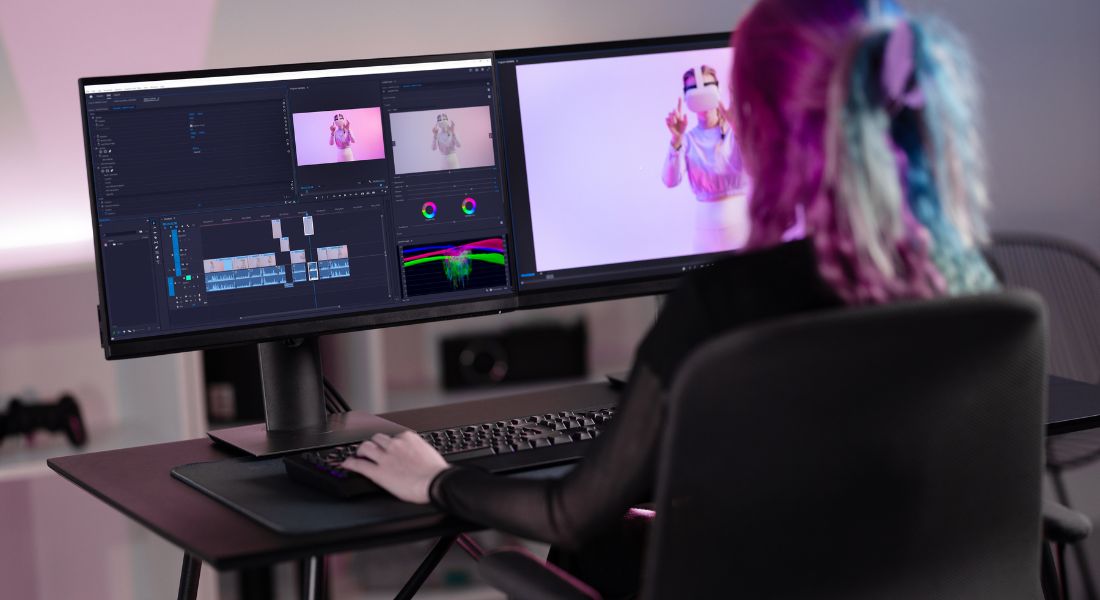
The rise of AI has brought with it a wave of powerful tools that are transforming how animators create characters. These platforms combine automation with creativity, helping animators save time while still producing expressive, high-quality results. What once required advanced technical expertise and costly equipment can now be achieved with user-friendly software, opening up animation to a much wider group of creators. Some of the most popular and influential tools currently available include:
- Adobe Character Animator: Adobe’s offering is one of the most widely used AI-driven animation tools today. It uses a webcam and microphone to capture an actor’s voice and facial expressions, applying them directly to a digital puppet in real time. Characters can blink, nod, talk, and smile naturally, with animations responding instantly to live input. This makes it especially useful for live-streaming events, virtual presenters, and educational content, where speed and interactivity are essential. Beyond performance capture, Adobe also provides pre-built characters and templates, allowing beginners to dive straight in without needing advanced technical knowledge.
- DeepMotion: DeepMotion focuses heavily on automating body and gesture animation. Traditionally, animators needed expensive motion capture suits and studio setups to record full-body movements. DeepMotion changes that by using AI to interpret video footage of people moving and then translating those motions into high-quality 3D animations. This makes it a valuable tool for game developers, VR creators, and animators working on human characters who need realistic physicality. The software also supports real-time applications, meaning characters can be animated “on the fly,” opening doors for interactive media experiences.
- Runway ML: Runway is known for its versatility and creative applications. Beyond character animation, it offers AI-powered style transfer, background removal, and even real-time video editing. For animators, its ability to quickly apply different artistic styles to characters and environments is particularly powerful. Instead of manually redrawing assets, animators can experiment with multiple looks such as cartoonish, painterly, or cinematic before deciding on the most suitable one for their project. This rapid experimentation process makes Runway a favourite among independent creators who want to push visual boundaries without long production times.
- Plask: A browser-based motion capture tool, Plask allows animators to upload video footage and automatically convert it into 3D character animations. Its intuitive interface and cloud-based workflow make it easy to use without needing high-end hardware. Plask is especially popular among smaller studios and freelancers who want a lightweight, affordable way to produce professional-grade animations.
- Cascadeur: Cascadeur is a physics-based animation software that uses AI to assist animators in creating realistic movements. It doesn’t simply automate everything but instead acts as a supportive tool suggesting adjustments, fixing awkward poses, and helping animators refine their work with natural physics applied. This balance between automation and manual control appeals to professionals who want speed without losing artistic precision.
- NVIDIA Omniverse Audio2Face: This innovative tool from NVIDIA allows animators to generate highly realistic facial animations directly from audio recordings. By analysing voice data, it automatically syncs lip movements and facial expressions with spoken dialogue. This tool saves countless hours of manual lip-syncing work and is particularly beneficial in gaming, film dubbing, and virtual assistant applications where dialogue plays a central role.
Together, these tools are democratising the animation process. High-quality results, once the domain of major studios with large budgets, are now accessible to smaller studios, independent creators, and even hobbyists. By reducing technical barriers and streamlining workflows, AI-powered platforms are enabling a broader range of storytellers to bring their ideas to life. This shift not only expands the possibilities for individual projects but also enriches the animation industry as a whole with more diverse voices and fresh perspectives.
5. What Does This Mean for the Future of Animation?
The integration of AI into animation does not signal the end of human artistry it marks the beginning of a new era where creativity and technology work hand in hand. Far from replacing animators, AI is serving as a powerful collaborator, taking over repetitive, technical, and time-consuming tasks so that artists can devote more energy to the aspects of animation that machines cannot replicate: storytelling, world-building, and emotional resonance.
By automating processes such as lip-syncing, gesture generation, and facial capture, AI frees animators from the burdens of frame-by-frame detail. This allows creative teams to spend more time experimenting with visual design, narrative pacing, and character depth. In practice, this means animations can be produced faster without sacrificing quality, giving studios the flexibility to take on more ambitious projects or explore bold new artistic directions.
Looking ahead, AI promises to make animation even more immersive and interactive. Imagine characters that can adapt their gestures, expressions, or dialogue in real time based on audience input. This opens up possibilities for virtual reality storytelling, interactive films, and video games where characters feel truly alive. The line between scripted animation and responsive performance will continue to blur, creating experiences that are more engaging than anything possible with traditional methods.
Another key development lies in accessibility. As AI tools become more affordable and user-friendly, high-quality animation will no longer be restricted to major studios with deep budgets. Independent filmmakers, educators, marketers, and even hobbyists will be able to produce animations that rival professional work. This democratisation of technology will bring fresh voices, unique styles, and diverse stories into the industry, enriching the global animation landscape.
Of course, challenges remain. Ethical questions around AI-generated content, the risk of over-reliance on automation, and the need to preserve artistic originality will all play important roles in shaping how these tools are used. But if balanced carefully, the combination of human creativity and AI precision has the potential to usher in a golden age of animation one where innovation thrives, workflows are streamlined, and stories can be told in ways we’ve only just begun to imagine.
Final Thought: The Future of AI in Character Animation
I-driven character animation is already transforming the way stories are told, making the process faster, more accessible, and more creative. From facial motion capture to style transfer, these innovations are empowering animators to focus more on storytelling while leaving repetitive tasks to technology. If you’re looking to explore how AI can elevate your projects, you can contact our animation company in London to take your content to the next level.
