

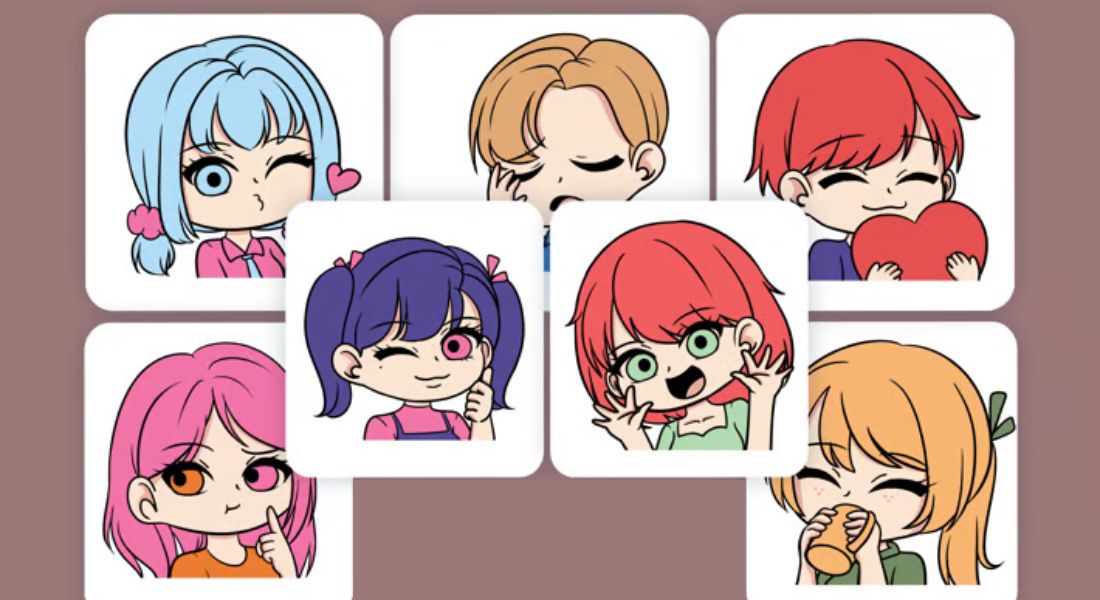
Anime, once considered a niche interest outside Japan, has now firmly entrenched itself in Western popular culture. What started as a curiosity for a small group of dedicated fans in the 1980s and 1990s has grown into a global phenomenon embraced by millions. Early exposure came through limited television broadcasts, VHS tapes, and fan-translated manga, often circulated quietly among enthusiasts. Over the years, anime moved from these underground channels into mainstream awareness, helped by the rise of dedicated fan conventions, specialty comic shops, and influential series that captured the imagination of Western audiences. Today, anime is no longer a fringe interest; it fills sold-out convention halls, streams on major platforms like Netflix and Crunchyroll, inspires merchandise lines, and influences Western animation, fashion, and storytelling in profound ways. This remarkable journey highlights not only the cultural appeal of anime but also how globalisation and digital technology have transformed the way audiences access and engage with foreign media.
The rise of anime in the West has also been driven by its ability to offer stories and themes that differ from traditional Western animation. While Western cartoons were often aimed primarily at children, anime caters to audiences of all ages, exploring complex characters, moral dilemmas, and emotionally rich narratives. Series like Dragon Ball Z, Sailor Moon, and Pokémon in the 1990s provided both thrilling action and relatable character journeys, appealing to teens and young adults alike. As internet communities and fan translations grew, Western viewers gained access to a wider range of genres from slice-of-life dramas to dark psychological thrillers expanding the scope of what audiences expected from animated storytelling. This diversity, combined with the accessibility provided by online streaming, has cemented anime’s place not just as entertainment, but as a cultural force influencing art, fashion, and even music in the West.
Another factor behind anime’s mainstream success in the West is the strong sense of community and fandom it fosters. Online forums, social media groups, and fan conventions have allowed enthusiasts to connect, share recommendations, and celebrate their favourite series together. Cosplay, fan art, and fanfiction have become integral parts of this culture, giving fans a way to actively participate in the worlds they love. This interactive and creative engagement has helped anime maintain a vibrant presence outside Japan, turning casual viewers into lifelong fans.
1. Early Fan Communities
- In the earliest stages of anime’s introduction to Western audiences, accessibility was almost nonexistent compared to today’s instant streaming culture. Anime was largely unknown outside of Japan, and official distribution channels were extremely limited. What brought it across borders were small, passionate groups of enthusiasts who refused to let geographical or linguistic barriers stop them from enjoying this unique medium. These individuals would spend hours importing VHS tapes from Japan often at significant personal cost and then circulate them within underground fan circles. Some went even further, painstakingly creating their own subtitles by hand, a process known as fansubbing, where groups of fans would translate dialogue, time the subtitles, and distribute copies to other fans. This was not only a time-consuming endeavor but also one carried out purely out of love for the art form, since there was no financial reward involved. Alongside this, imported manga, sometimes untranslated, offered an additional window into Japanese storytelling, giving early fans a glimpse into a different narrative culture, even if they had to rely on crude translations, word-of-mouth explanations, or sheer guesswork to fully grasp the stories.
- As the movement grew, certain series rose to iconic status and became the gateway titles that pulled in wider audiences. Cult classics like Dragon Ball Z and Sailor Moon stood out for their dynamic storytelling, emotional character arcs, and distinctive animation style, which felt refreshingly different compared to the Western cartoons of the time. Dragon Ball Z in particular, with its action-packed fight sequences and serialized narrative, offered a sense of continuity that was rare in Western animation aimed at children. Meanwhile, Sailor Moon captivated audiences with its strong female leads, magical transformations, and combination of everyday teenage struggles with fantastical adventures. These shows were not just entertainment; they represented a cultural shift. They demonstrated that animation could explore deeper themes, longer story arcs, and more complex characters something that immediately resonated with viewers who craved more than episodic comedy or slapstick humor. For many fans, these series marked their first taste of Japanese culture, sparking curiosity about broader aspects of the country’s art, language, and traditions.
- Beyond the shows themselves, the social experience of anime fandom became just as important as the content. Grassroots communities sprang up wherever fans could find one another. College clubs began screening anime episodes to small but eager audiences. Fan conventions provided gathering spaces where people could meet face-to-face, exchange tapes, buy and sell rare merchandise, and showcase their creativity through fan art and cosplay. These events gave isolated fans a sense of belonging and validation, showing them they were not alone in their passion. The emergence of cosplay in particular allowed fans to embody the characters they loved, turning fandom into a performative and expressive experience. Local meetups also played a crucial role, especially before the rise of the internet, by providing opportunities for fans to physically share resources that were otherwise impossible to obtain.
- Over time, these grassroots efforts started catching the attention of larger media outlets. In the 1990s, networks like Cartoon Network launched programming blocks such as Toonami, which brought anime like Dragon Ball Z, Sailor Moon, and later Naruto and One Piece into mainstream television schedules. While this marked the beginning of commercial accessibility, it was the groundwork laid by early fan communities that created the demand for such content in the first place. Without the dedicated fans who introduced anime through tapes, fan clubs, and conventions, Western networks may not have recognized the medium’s potential.
2. Conventions and Events
- As anime gained traction in the West, fan gatherings began evolving from small local meetups into larger, more organized events that could host thousands of attendees. Conventions such as Anime Expo in the United States, along with the anime-focused sections of broader events like San Diego Comic-Con, played a central role in bringing together fans from diverse backgrounds. These conventions provided something that was previously missing a large-scale, structured space where anime enthusiasts could come together not just to watch shows, but to celebrate the entire culture surrounding them.
- One of the most iconic aspects of these conventions was cosplay, where fans dressed up as their favorite anime characters. Cosplay transformed fandom into an active and creative pursuit, requiring participants to invest time, skill, and imagination into sewing costumes, crafting props, and performing in character. This hands-on involvement blurred the line between consumer and creator, turning fans into living representations of the media they loved. The popularity of cosplay grew rapidly, and competitions, photo gatherings, and masquerade balls became highlights of convention culture.
- Beyond cosplay, conventions offered panels, workshops, and screenings that allowed fans to engage with anime on a deeper level. Panels often featured industry professionals, voice actors, and even creators from Japan, who would share insights about the production process, the future of certain series, and behind-the-scenes stories. Screenings gave audiences a chance to watch exclusive episodes or movies before they were widely released, creating a sense of excitement and exclusivity. Workshops, on the other hand, gave fans opportunities to learn new skills, whether it was animation techniques, Japanese language basics, or even tips for creating better cosplay costumes. These activities immersed audiences in the culture and made conventions much more than passive entertainment they became active learning and participatory experiences.
- Perhaps most importantly, conventions turned anime from a solitary or small-group hobby into a shared cultural experience. Instead of watching shows alone at home or trading tapes among a few friends, fans could now step into a massive, vibrant community filled with people who shared their enthusiasm. For many attendees, conventions became a place where lifelong friendships were formed, creative collaborations were born, and a sense of belonging was strengthened. The sheer scale of these events demonstrated that anime was no longer a fringe interest but was becoming a legitimate cultural movement.
3. Streaming Platforms & Accessibility
- The introduction of streaming platforms marked a turning point in anime’s global expansion. Before this digital shift, anime fans outside Japan often had to rely on limited television broadcasts, delayed DVD releases, or pirated fan-subtitled copies to watch their favorite series. This meant that access was fragmented and often unreliable, making it difficult for casual viewers to fully explore the medium. The launch of Crunchyroll in 2006 as a streaming hub for anime originally fueled by fan-uploaded content before becoming fully licensed revolutionized this landscape. For the first time, fans could legally and affordably access a vast library of anime titles online. Similarly, Funimation, which had been pivotal in bringing dubbed anime to Western TV in the 1990s, transitioned into digital streaming, providing another trusted outlet for fans. When Netflix entered the anime space, it expanded accessibility even further by integrating anime into its mainstream entertainment catalog, exposing millions of global subscribers many of whom had never watched anime before to the medium.
- One of the most impactful innovations was the adoption of the simulcast model, which allowed anime episodes to be streamed internationally within hours of their broadcast in Japan. This was groundbreaking because it virtually erased the long delays that previously plagued Western audiences, who often had to wait months or even years to see official releases. Simulcasts created a synchronized, global fan experience, enabling viewers across continents to watch and discuss new episodes in real time. Social media platforms such as Twitter and Reddit became gathering places for live discussions, reactions, and fan theories, fostering a sense of worldwide community that had never existed at this scale before. This immediacy also helped reduce piracy, as fans now had a legitimate and convenient way to access content quickly.
- Another transformative effect of streaming was the ability to showcase anime’s incredible genre diversity. Traditional broadcasters like Cartoon Network or local TV stations tended to air only the most popular and marketable series primarily shonen action or magical girl titles. In contrast, streaming libraries opened the floodgates to thousands of lesser-known shows, from slice-of-life comedies and romantic dramas to sports anime, horror, mecha epics, and psychological thrillers. This accessibility revealed to audiences that anime was not a single genre but a multifaceted storytelling medium capable of catering to vastly different tastes and age groups. Viewers who once thought anime was “just for kids” were introduced to series with complex themes, mature narratives, and artistic experimentation, dramatically broadening the medium’s audience.
- Platforms also began to invest directly in anime production, further changing the industry. Netflix, in particular, not only licensed existing titles but also funded original anime projects such as Devilman Crybaby, B: The Beginning, and later hits like Castlevania (inspired by Japanese gaming culture). These investments provided studios with larger budgets and global distribution, while simultaneously signaling to the entertainment industry that anime was no longer niche it was a mainstream, profitable, and culturally significant medium. Crunchyroll and Funimation also partnered with Japanese studios to co-produce shows, strengthening the ties between Western audiences and the Japanese anime industry.
- Accessibility extended beyond just watching shows it also changed how fans engaged with anime culture. Streaming platforms made binge-watching possible, allowing viewers to consume entire seasons or series in one sitting. This encouraged deeper fan engagement, as audiences could now analyze, debate, and celebrate shows with a level of intensity that episodic, once-a-week television viewing often didn’t allow. In addition, subtitles and dubbing became more standardized, with multiple language options making anime accessible to audiences in Latin America, Europe, and beyond. This global reach cultivated new fan communities in regions where anime had previously been almost unknown, turning the medium into a worldwide phenomenon.
- Above all, streaming platforms cemented anime’s transition from niche subculture to global mainstream entertainment. By breaking down barriers of geography, time, and cost, they democratized anime consumption and introduced millions of newcomers to the medium. What had once been limited to tape-trading circles and fan conventions was now readily available to anyone with an internet connection. The impact was so profound that today, anime is not just a segment of global entertainment it is one of its driving forces, influencing fashion, music, gaming, and even Hollywood storytelling.
4. Influence on Western Media
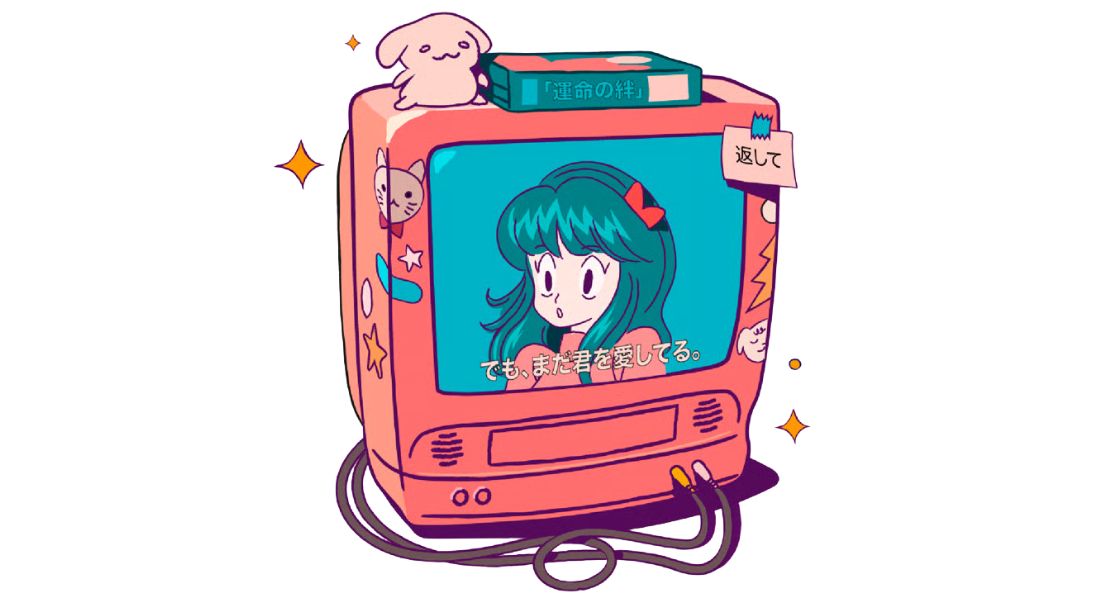
- Over the past few decades, the influence of anime on Western entertainment has become undeniable. From the dynamic action sequences of Hollywood blockbusters to the narrative structures of popular TV series, anime’s visual style and storytelling techniques have been woven into the fabric of Western media. Films such as The Matrix drew heavily from anime classics like Ghost in the Shell, borrowing themes of virtual reality, human-machine interaction, and stylized combat choreography. Even mainstream cartoons like Avatar: The Last Airbender and Teen Titans were celebrated for their anime-inspired art direction, expressive character designs, and serialized storytelling elements that were relatively uncommon in Western animation before anime’s influence became widespread.
- Western creators have not only borrowed from anime but have also sought to adopt its aesthetics and adapt its stories directly. Hollywood has produced live-action versions of beloved anime properties such as Dragonball Evolution, Ghost in the Shell, and Netflix’s adaptations of Death Note and One Piece. While these adaptations have met with varying degrees of critical and fan reception, they highlight the extent to which anime has entered the Western cultural mainstream. Beyond adaptations, many Western animated productions now incorporate anime-inspired features dynamic camera angles, exaggerated emotional expressions, and fluid action choreography that were once unique to Japanese animation. This cross-pollination demonstrates how anime has shifted from being viewed as a foreign niche to a respected artistic style that Western studios actively integrate into their own work.
- Another significant outcome of anime’s popularity has been the rise of cross-cultural collaborations. Japanese studios and Western companies increasingly work together to produce content that appeals to global audiences. Examples include collaborations between Netflix and anime studios for original productions, as well as video game franchises such as Final Fantasy and Kingdom Hearts that seamlessly blend Western storytelling influences with anime-inspired design and narratives. Similarly, Western games like Overwatch and League of Legends incorporate anime-like character designs and cinematic storytelling techniques, further reflecting how the medium has shaped global creative industries. These collaborations not only expand anime’s reach but also foster cultural exchange, deepening appreciation for Japanese artistry while allowing Western creators to experiment with new storytelling methods.
- Ultimately, anime’s presence in Western entertainment has moved beyond simple inspiration it has become a defining influence. Its bold visual style, emotionally complex characters, and serialized narratives have set new creative standards, encouraging Western media to experiment with richer world-building and more daring artistic choices. By inspiring films, TV series, and games alike, anime has solidified its place as more than just imported entertainment it is now an integral part of the creative dialogue shaping global culture.
This ongoing influence underscores anime’s lasting relevance in the West. It is no longer seen merely as a Japanese export but as a creative force that continues to inspire, innovate, and expand the possibilities of storytelling across multiple industries.
Final Thought: Anime’s Lasting Impact in the West
From underground fan clubs trading VHS tapes to streaming platforms delivering simulcasts across the globe, anime’s journey into Western mainstream culture is a story of passion, persistence, and transformation. What began as a niche interest has grown into a cultural movement that influences fashion, film, television, gaming, and more.
As anime continues to evolve and inspire, its future in Western media looks brighter than ever. For businesses and creators looking to tap into this rich, visually dynamic form of storytelling, partnering with professionals who understand the medium is essential. You can contact our animation agency in London to take your content to the next level with animation that resonates across cultures.
