


Posting content at the right time can dramatically improve your reach, engagement, and overall performance on social media. Think of it this way: you might spend hours scripting, filming, editing, and polishing a piece of content, but if it’s uploaded when your audience is asleep, busy at work, or distracted by other trending topics, much of that effort goes unnoticed. Timing doesn’t replace quality, but it can give quality content the push it needs to reach more people and perform better in the first crucial hours after posting.
Social media algorithms also play a role here. Platforms like YouTube, TikTok, and Instagram often reward content that quickly attracts attention through likes, comments, shares, and watch time. The faster your post gains momentum, the more likely it is to be recommended to wider audiences. Posting at the wrong time could delay that engagement, signalling to the algorithm that your content isn’t resonating when in reality, it just wasn’t seen soon enough.
The challenge, of course, is that timing isn’t universal. With billions of users spread across the globe, the “best” time to post is influenced by many factors, including geography, audience demographics, industry, and even the type of content you’re sharing. A comedy sketch on TikTok might perform best late at night when viewers are winding down with entertainment, while an educational YouTube tutorial could gain more traction in the morning when people are actively searching for solutions.
To complicate things further, audience behaviour has changed drastically in the past few years. Remote work, flexible schedules, and shifting media consumption habits mean people aren’t following the same rigid patterns they once did. Peak times in 2025 look different from what they did in 2020 or even 2023, making it vital for creators and brands to revisit their posting strategies regularly.
In this article, we’ll break down the best posting times for YouTube, TikTok, and Instagram in 2025 based on recent trends and data. We’ll also look at how audience habits differ across platforms, why you shouldn’t rely solely on generic “best time” recommendations, and practical ways to test and optimise your schedule for your unique audience. Whether you’re a brand aiming for consistent growth or a creator chasing viral moments, understanding the role of timing can give your content the competitive edge it needs.
Why Posting Time Matters
When it comes to social media success, timing is far more important than many creators realise. Most platforms are designed to prioritise content that gains momentum quickly, rewarding posts that capture attention soon after they go live. If you publish when your audience is most active, you give your content the best possible chance of being surfaced in feeds, highlighted in recommendations, and even pushed through notifications. In other words, posting at the right moment isn’t just about convenience it’s about maximising visibility and giving your content a fighting chance in a crowded digital space.
Algorithms thrive on signals of early engagement. Platforms like YouTube, TikTok, and Instagram are constantly monitoring how content performs in its first few minutes and hours. Videos and posts that attract immediate views, likes, comments, or shares are more likely to be promoted further, reaching audiences beyond your existing followers. On the flip side, content that launches during a lull in audience activity might struggle to gain traction, even if it’s high-quality and engaging.
Timing also directly influences three critical outcomes:
- Views and Watch Time: Content published during peak activity hours is more likely to be consumed immediately, boosting overall watch time and view counts. This early performance often determines whether the algorithm continues to push the content to new viewers.
- Likes, Comments, and Shares: Early interactions are essential. A high volume of engagement within the first few hours signals to the platform that your content resonates with viewers, prompting further distribution.
- Follower Growth and Audience Habits: Posting consistently at optimal times trains your audience to expect new content from you. Over time, this builds loyalty, anticipation, and a stronger connection, making it easier to grow your following organically.
In short, posting at the right time works hand in hand with creating great content. Even the best video or post can fall flat if it isn’t released when people are online and ready to engage. By paying attention to timing, you’re not just chasing numbers you’re aligning with your audience’s natural behaviour, which is ultimately what drives sustainable growth.
Best Times to Post on YouTube
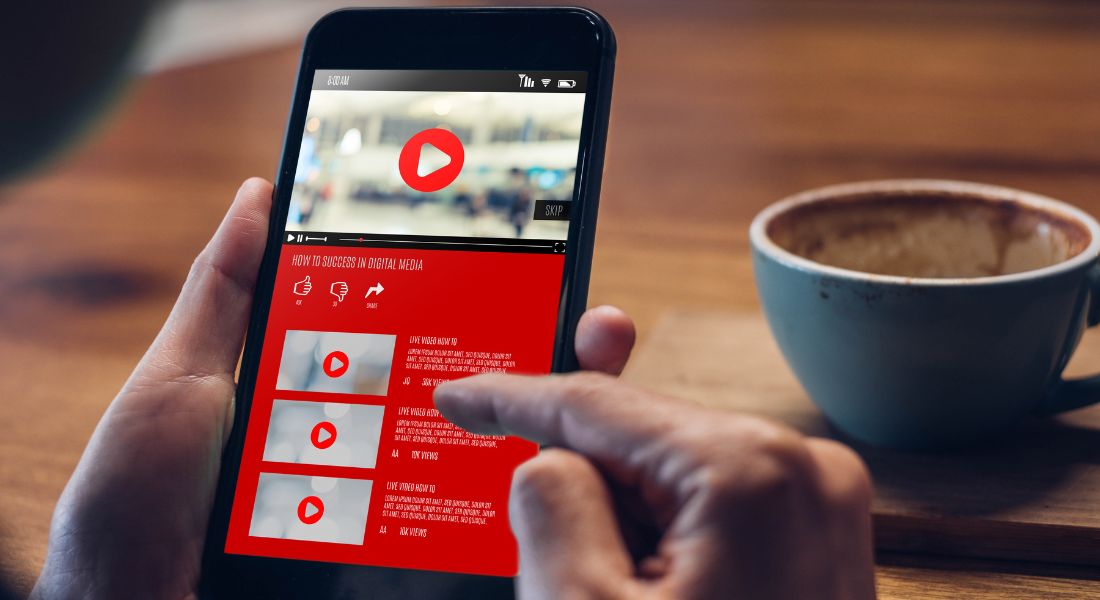
YouTube remains one of the most powerful platforms for long-form video content, and timing plays a major role in how well a video performs. Unlike TikTok or Instagram, where content can go viral within minutes, YouTube often builds momentum gradually, with the algorithm pushing videos that show strong watch time and consistent engagement early on. This means your upload time directly affects how quickly your video starts collecting views, comments, and shares.
In 2025, audience behaviour on YouTube continues to reflect shifting work schedules, increased remote flexibility, and the growing popularity of mobile viewing. Research and creator insights suggest the following time windows work best for maximising performance:
- Weekdays (Monday to Friday): 12 PM – 4 PM local time
Posting around midday captures both lunchtime viewers and those who are winding down their workday. By the time peak evening viewing hours arrive, your video has already had a few hours to gather engagement, making it more likely to be recommended in the evening rush. - Weekends (Saturday and Sunday): 9 AM – 11 AM local time
On weekends, viewers tend to watch longer videos earlier in the day. Many people use weekend mornings to catch up on tutorials, vlogs, or entertainment they missed during the week, which makes this time slot especially effective for creators who publish in-depth or binge-worthy content.
That said, the “perfect” upload time can vary depending on your niche and audience. For example, educational and productivity-focused content may perform best in the mornings, while entertainment or gaming videos might thrive with evening uploads. If your audience spans multiple time zones, it’s important to test different schedules and check YouTube Analytics to see exactly when your subscribers are online.
Additional Tips for Posting on YouTube
- Be Consistent: Uploading at the same time each week helps build a habit with your audience. Viewers come to expect new content at a specific time, which increases the likelihood of repeat engagement.
- Test Evening Uploads (6 PM – 9 PM): Many professionals and students watch YouTube after work or study hours. Experimenting with evening uploads can reveal whether your content resonates more strongly during this time.
- Use the Premiere Feature: For special uploads or highly anticipated videos, consider scheduling a YouTube Premiere. This feature creates a live viewing experience and encourages comments and community engagement right from the start.
- Leverage YouTube Analytics: The “When your viewers are on YouTube” report in Analytics is one of the most powerful tools for refining your upload schedule. While general best times are helpful, your unique data is always the most reliable guide.
In short, the best times to post on YouTube in 2025 strike a balance between early visibility and peak engagement hours. By combining data-driven insights with experimentation, you can identify the schedule that works best for your audience and maximise your video’s potential reach.
Best Times to Post on TikTok

TikTok operates differently from platforms like YouTube or Instagram. While those platforms often prioritise subscribers and followers, TikTok’s algorithm focuses on delivering content through the For You Page (FYP), which is personalised for each user. This means that while your followers matter, much of your reach comes from how well your videos perform with new audiences. Timing, therefore, becomes a key factor in maximising that initial burst of visibility.
In 2025, TikTok remains a platform where trends rise and fall quickly. Posting at the right time increases the chances that your video will be noticed, engaged with, and amplified before it gets lost in the flood of new content. Although your exact best times will depend on your audience, global data highlights some general patterns worth following:
Optimal Days: Tuesday, Thursday, and Friday
These days consistently see higher engagement rates, as users are more active during the mid-to-late part of the week. Monday often starts slow, with people catching up on work or studies, while weekends can be hit-or-miss depending on your niche.
Peak Hours:
- 6 AM – 10 AM (early-morning scroll): Many users check TikTok as part of their morning routine, often while commuting, eating breakfast, or easing into their day. Short, entertaining clips and motivational content work particularly well in this slot.
- 7 PM – 11 PM (evening entertainment): Evenings are TikTok’s busiest window. Viewers are relaxed, seeking fun, humour, or relatable content to unwind. Videos posted around this time have a better chance of quickly picking up likes, shares, and comments.
Tips for Posting on TikTok
- Post Frequently: Unlike YouTube, where one strong video per week can sustain growth, TikTok rewards volume. The algorithm often tests your videos with small audience groups, and frequent posting increases the odds that one of your uploads will hit the right audience at the right time. Some successful creators post 1–3 times per day.
- Experiment with Timing: While mornings and evenings are generally effective, your specific audience might behave differently. For example, student-heavy audiences may be most active late at night, while professional audiences might engage more during lunch breaks.
- Use TikTok Analytics: The built-in analytics tool is a goldmine for understanding your audience. Check the “Follower Activity” section to see when your followers are most active, and align your posting schedule accordingly.
- Ride Trends Quickly: TikTok thrives on trends, from viral sounds to challenges. If you spot a trend gaining traction, posting quickly especially during peak hours can dramatically increase your visibility.
In short, TikTok is less about a rigid schedule and more about balancing consistency, frequency, and trend-awareness. By combining these factors with insights from your analytics, you can find the sweet spot that maximises reach and keeps your content in front of the right audiences.
Best Times to Post on Instagram

Instagram continues to be one of the most versatile social platforms, balancing polished feed posts with the immediacy of Stories and the explosive reach of Reels. Unlike TikTok, where content is pushed primarily through the For You Page, or YouTube, which thrives on search and watch time, Instagram engagement depends heavily on timing and consistency. Posting when your audience is most active gives your content the best chance to appear near the top of their feeds, in Stories, and on the Explore page.
In 2025, Instagram’s algorithm still rewards content that performs well quickly, but the platform’s multiple formats Feed, Stories, and Reels each have slightly different peak times:
Feed Posts:
- Weekdays: 9 AM – 11 AM and 1 PM – 3 PM (local time)
These windows align with mid-morning and early-afternoon breaks, when many users are scrolling between tasks. - Wednesdays often show the highest engagement mid-morning, making it a prime day for important announcements, campaigns, or collaborations.
Stories & Reels:
- Early mornings (7 AM – 9 AM): Many users check Instagram as soon as they wake up, making this a strong window for quick updates, behind-the-scenes content, or motivational clips.
- Evenings (6 PM – 9 PM): After-work hours remain one of the most active times across all formats. Reels posted during this period often gain higher reach, as viewers relax and engage more with entertaining, shareable content.
Weekends:
While weekdays are generally more consistent, don’t underestimate weekends. Posts between 10 AM – 1 PM often perform surprisingly well, as people have more free time to browse, engage, and interact with content. Lifestyle, travel, and leisure-focused posts tend to shine on Saturdays and Sundays.
Tips for Posting on Instagram
- Schedule Reels for Evenings: Since Reels are Instagram’s fastest-growing format, uploading during high-activity evening slots increases your chances of landing on Explore and reaching beyond your followers.
- Balance Feed and Stories: While Reels may drive discovery, Stories build connection. Posting Stories early in the morning helps you stay at the top of your followers’ feeds throughout the day.
- Leverage Insights: Instagram Insights provides data on when your followers are most active. Combine this with general best-time recommendations to create a tailored posting schedule.
- Don’t Overlook Weekends: Many brands slow down content on Saturdays and Sundays, but this can actually be an opportunity. Posting when others are less active can make your content stand out in feeds.
In short, Instagram requires a multi-format strategy, where timing varies depending on whether you’re aiming for discovery (Reels), relationship-building (Stories), or polished brand presence (Feed posts). By aligning your posting times with both platform-wide patterns and your audience insights, you can significantly improve engagement and reach in 2025.
How to Find Your Brand’s Perfect Timing
While general posting times provide a helpful starting point, the reality is that every audience behaves differently. What works for a fitness creator in London may not work for a fashion brand in New York, or for a tech channel with a global audience. Your ideal posting schedule depends on your niche, your audience’s daily habits, and even the type of content you’re sharing. That’s why the best approach is to treat universal “best times” as guidelines, then refine them with your own data.
Here are some practical ways to discover your brand’s perfect posting schedule:
- Use Platform Analytics
All major platforms YouTube Studio, TikTok Analytics, and Instagram Insights offer powerful tools to help you understand when your audience is most active. Look beyond just follower activity and dive into metrics like impressions, reach, watch time, and engagement rates. For example, if your Instagram followers are most active at 8 PM but your engagement spikes at 6 PM, you may find that posting slightly earlier gives your content more time to pick up momentum. - Experiment Consistently
Consistency is key when testing. Try posting at different times of day for 4–6 weeks, but keep your content quality and style consistent so the results aren’t skewed. Track performance across metrics like views, comments, shares, and saves. Over time, clear patterns will emerge that show when your audience is most likely to interact with your content. - Adjust for Time Zones
If your brand serves a global audience, time zones are a critical factor. Posting at a single “local” time may mean large portions of your audience never see your content at peak hours. Look for overlapping active windows such as early mornings in the US coinciding with late afternoons in Europe that allow you to reach multiple regions effectively. Some brands even choose to repost or schedule content twice to maximise coverage across time zones. - Combine with Content Type
The type of content you post should also influence timing. Short-form videos, such as TikToks or Instagram Reels, often perform better in the evenings when people are relaxing and open to light, entertaining content. In contrast, long-form YouTube tutorials or thought-leadership videos may thrive during mornings or lunch breaks, when viewers are more focused and actively seeking information. Matching content format to viewing behaviour ensures your posts align with your audience’s mindset.
Ultimately, finding the perfect timing for your brand is a process of data, testing, and adaptation. Algorithms evolve, audience routines shift, and cultural events can impact behaviour. By regularly reviewing analytics and staying flexible, you can stay ahead of these changes and ensure your content always reaches people when they’re most ready to engage.
Final Thought: Timing Meets Strategy
Knowing the best times to post can give your content an early boost, but consistency and relevance remain key. Test, analyse, and adjust according to your unique audience behaviour. Combining timing with high-quality content maximises both engagement and growth.
For brands and creators looking to optimise their video strategy professionally, collaborating with a video production company in London can ensure your content is well-timed, engaging, and platform-ready.
