

Education is evolving faster than ever before. Students today are consuming content online more than ever, accessing resources at their own pace, and engaging with material in ways that were unimaginable just a decade ago. With the rise of smartphones, tablets, and laptops, learners expect education to be flexible, interactive, and accessible anytime, anywhere. Traditional teaching methods, which often rely heavily on lectures, textbooks, and classroom-based learning, sometimes struggle to keep up with these new expectations. For education providers, this presents both a challenge and an opportunity: the challenge of capturing attention in a digital-first world, and the opportunity to connect with learners in more meaningful, innovative ways.
Video marketing has emerged as a powerful solution for bridging this gap. It allows schools, universities, online learning platforms, and other educational institutions to communicate information in ways that are visually compelling, easy to understand, and highly engaging. Videos can simplify complex concepts, illustrate ideas with real-world examples, and cater to different learning styles, making lessons more inclusive and effective. From animated explainer videos and live demonstrations to interviews, virtual tours, and interactive content, video has the potential to transform the way students experience learning.
Beyond the classroom, video marketing also helps education providers reach prospective students, showcase their unique programs, and build a stronger sense of community and connection with learners. Whether it’s through short social media clips, in-depth online courses, or engaging webinars, video content can make learning more accessible, memorable, and enjoyable.
In this article, I’ll explore how video marketing can revolutionize education, increase student engagement, and enhance the overall learning experience. By adopting video strategically, education providers can create meaningful connections with learners of all ages, stand out in a competitive landscape, and ensure that their teaching methods evolve in line with the digital age.
Why Video is Essential in Modern Education
Video combines audio, visuals, and movement to create a rich, immersive learning experience that is difficult to achieve with traditional text-based materials alone. In today’s fast-paced digital world, students are constantly bombarded with information, and their attention spans are shorter than ever. Videos have the unique ability to capture attention quickly, sustain interest, and make learning more enjoyable.
Unlike text-heavy resources, videos can simplify complex concepts by using animations, demonstrations, or real-world examples that students can easily understand and remember. They allow educators to break down challenging topics into smaller, digestible segments, making learning less intimidating and more approachable. For instance, a science experiment can be shown step by step, or a historical event can be brought to life through reenactments and visuals, helping learners grasp the content more effectively.
Videos also support multiple learning styles. Auditory learners benefit from narration or discussions, visual learners gain from graphics and illustrations, and kinesthetic learners can engage with interactive video elements. This versatility ensures that lessons are inclusive and accessible to a broader range of students, enhancing comprehension and retention.
For educational institutions, this means that lessons, tutorials, promotional content, and online courses can be far more engaging and impactful than static materials alone. By leveraging video, schools, universities, and online platforms can create experiences that not only educate but also inspire, motivating learners to explore topics further and participate more actively in their own learning journey.
Animated Explainers: Simplifying Complex Topics
Animated explainer videos are one of the most effective tools for education providers looking to make learning engaging, accessible, and easy to understand. By combining motion, graphics, and narration, these videos can transform complicated or abstract subjects into content that is visually appealing and highly digestible.
One of the key advantages of animated explainers is their ability to break down complex topics step by step. Whether it’s a challenging mathematical formula, a scientific process, or a historical timeline, animation allows educators to present information in a structured and visually coherent way. By using clear visuals, symbols, and diagrams, students can follow along more easily and retain information better than they might through text alone.
Storytelling and metaphor can also play a crucial role in animated explainers. By framing lessons as stories or using relatable analogies, educators can make even the most abstract concepts tangible and memorable. This approach not only enhances understanding but also makes learning more enjoyable and meaningful.
Another advantage is the ability of animated videos to maintain student attention. Movement, colour, and dynamic visuals naturally draw the eye, keeping learners engaged for longer periods. In a world where attention spans are increasingly short, this makes animation a particularly valuable tool in both classroom and online learning environments.
Whether you’re teaching maths, science, or humanities, animated explainers provide a flexible, creative, and effective way to help students grasp complex ideas. They are not just visually appealing they actively enhance comprehension, making learning both more efficient and more enjoyable.
E-Learning Tutorials: Flexible and On-Demand Learning

Online learning platforms and educational institutions can benefit immensely from using tutorial videos as part of their teaching strategy. These videos provide students with the flexibility to learn at their own pace, giving them control over how, when, and where they access educational content. Unlike traditional classroom lectures, students can pause, rewind, and revisit lessons as many times as needed, ensuring they fully understand each concept before moving on.
Interactive elements can also be incorporated into video tutorials to make learning more engaging and effective. Features such as embedded quizzes, polls, or clickable sections allow students to test their knowledge in real-time, reinforcing learning while keeping them actively involved. This interactivity transforms passive viewers into active learners, increasing comprehension and retention.
Another major advantage of video tutorials is accessibility. Students can access lessons from anywhere in the world, at any time, breaking down geographical or scheduling barriers that often limit learning opportunities. This is particularly valuable for distance learners, adult learners balancing work and study, or students in different time zones.
Additionally, video tutorials help reduce cognitive load by presenting information in manageable, digestible chunks. Complex subjects can be broken into short segments, accompanied by visuals, narration, and examples, making them easier to understand and remember. This structured approach ensures that students are not overwhelmed and can absorb information more effectively.
By integrating e-learning tutorials, educational providers can create a more flexible, accessible, and student-centred learning experience. Videos allow learners to take charge of their education, revisiting material as needed and engaging with content in a way that suits their individual learning style, ultimately improving outcomes and satisfaction.
Student Testimonials: Building Trust and Engagement
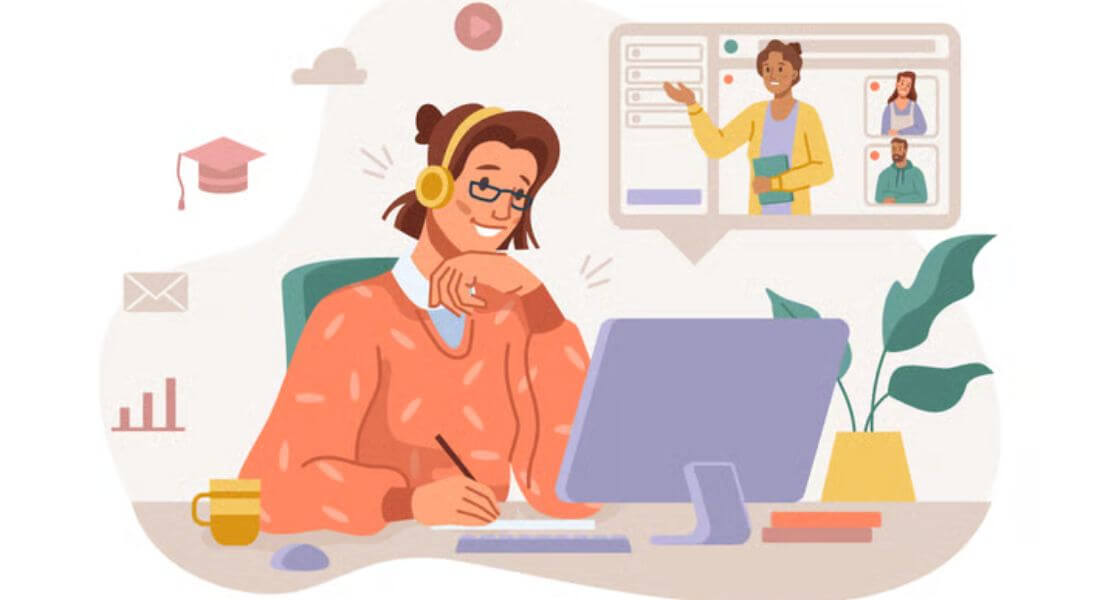
Video testimonials from current or former students are a highly effective tool for education providers, serving both as a marketing asset and a way to foster trust with prospective learners. Unlike written reviews, video testimonials allow viewers to hear real experiences, see genuine emotions, and connect with students on a personal level. This human element makes the stories more relatable and impactful, helping prospective students and their parents envision themselves as part of the institution.
These videos can showcase a wide range of experiences and outcomes, from academic achievements and personal growth to extracurricular successes and career advancement. Highlighting tangible results and transformative experiences helps demonstrate the real-world value of your educational programs, showing that they go beyond classroom instruction to make a meaningful difference in students’ lives.
Social proof is another key benefit. When prospective learners see authentic, positive feedback from peers, it builds credibility and reassurance, increasing the likelihood that they will trust your institution and take the next step toward enrolment. Short, concise clips that are honest and engaging tend to resonate most, as they feel authentic rather than overly produced.
Video testimonials are versatile and can be used across multiple platforms. They can be shared on social media to reach a wider audience, embedded on landing pages to enhance conversion rates, included in email campaigns, or even featured during open days and virtual events. By strategically using student testimonials, education providers can create a compelling narrative that highlights their strengths, builds confidence in prospective students, and ultimately drives enrolments.
Boosting Retention and Accessibility with Video
Videos do more than simply capture students’ attention they actively enhance learning and help students retain information. Research indicates that combining visual and auditory elements can improve information retention by up to 60%, compared with text-only materials. By presenting concepts through animation, narration, and demonstrations, educators can make lessons more memorable and easier to understand.
Another key advantage of video is its ability to make learning accessible to all students. Captions, transcripts, and translations ensure that students with hearing impairments, language barriers, or different learning needs can fully benefit from the material. Accessibility features also support students who prefer reading along or revisiting content in different formats, creating a more inclusive learning environment. This inclusivity is increasingly important for modern educational institutions that aim to serve diverse student populations while complying with accessibility standards.
By leveraging video strategically, education providers can not only engage learners but also help them retain knowledge longer and make education more equitable and flexible.
Budget-Friendly Video Tips for Education Providers
You don’t need a professional studio or expensive equipment to create effective educational videos. With some creativity and the right approach, even modest resources can produce high-quality content. Here are practical tips for getting started:
- Smartphone Recording: Modern smartphones are capable of capturing high-resolution video and clear audio. With proper lighting and a steady hand (or tripod), you can produce professional-looking content without expensive cameras.
- Free or Low-Cost Editing Tools: Platforms like Canva, iMovie, OpenShot, or DaVinci Resolve offer user-friendly editing options. These tools allow you to trim clips, add captions, include graphics, and polish your videos quickly.
- Repurpose Existing Content: Lectures, workshops, campus tours, or recorded presentations can be transformed into multiple video resources. Breaking long sessions into shorter segments or creating highlights can maximize the value of your content.
- Short Clips for Maximum Engagement: Attention spans online are short, so keep videos concise generally between 3–5 minutes is ideal. Focus on one topic per video and use clear visuals to maintain interest.
Consistency is often more important than perfection. By regularly producing and sharing video content, education providers can build a strong connection with learners, reinforce key concepts, and create a more engaging, flexible, and inclusive educational experience.
Choosing the Right Platforms
Selecting the right platforms is crucial for ensuring your video content reaches the intended audience and achieves maximum engagement. Different platforms cater to different types of learners and viewing habits, so it’s important to align your content strategy with each platform’s strengths.
- YouTube & Vimeo: These platforms are ideal for hosting longer-form educational content such as tutorials, recorded lectures, explainer videos, and course modules. They offer robust search functionality, playlists, and the ability to organise content into series, making it easy for students to follow structured learning paths. YouTube also provides analytics to track engagement, helping educators understand which videos resonate most with learners.
- Instagram & TikTok: Perfect for reaching younger audiences, these platforms excel with short, dynamic, and visually appealing content. Quick tips, behind-the-scenes glimpses, micro-lessons, or interactive challenges can attract attention and encourage sharing, helping to engage students in bite-sized, memorable ways. Creativity and authenticity are key here, as users respond well to fun, relatable content rather than overly polished productions.
- LinkedIn: This professional network is especially effective for showcasing university programs, professional courses, or alumni success stories. Video content on LinkedIn can highlight career outcomes, research achievements, or industry partnerships, appealing to prospective students, adult learners, and employers. Sharing thought leadership or expert insights also helps build credibility and position the institution as an authority in its field.
When using multiple platforms, it’s important to tailor content to each platform’s format and audience expectations. For instance, vertical video works best on TikTok and Instagram, while longer, horizontal videos are more suitable for YouTube. Optimising content for platform-specific features ensures your videos are engaging, accessible, and effective at reaching the right audience.
Measuring Success
Tracking the performance of your video marketing efforts is essential to understand what works, what doesn’t, and how to improve future content. By monitoring key metrics, education providers can ensure their videos are engaging, effective, and aligned with their goals.
- Video Views, Watch Time, and Engagement: These basic metrics show how many students are watching your content and for how long. High watch time indicates that your videos are holding attention, while engagement likes, comments, and shares reveals how viewers are interacting with the material.
- Click-Throughs to Course Sign-Ups or Enrolment Pages: For marketing-focused videos, tracking how many viewers take the next step, such as visiting a course page or completing an enrolment form, is crucial. This helps measure the tangible impact of your video campaigns on recruitment and admissions.
- Student Feedback and Completion Rates for Tutorials: For educational or instructional videos, understanding how well students are following along is vital. Surveys, polls, or informal feedback can reveal whether the content is clear, helpful, and engaging. Completion rates indicate whether students are finishing videos, which can highlight areas that may need refinement.
- Shares and Comments on Social Media: Social metrics provide insight into how well your videos resonate with a broader audience. Shares extend the reach of your content organically, while comments can offer valuable perspectives on what students or prospective learners find most useful or interesting.
By analysing these metrics, education providers can refine their video strategies, create content that truly meets the needs and preferences of learners, and continuously improve engagement and outcomes. Over time, this data-driven approach ensures that every video you produce adds meaningful value to both students and your institution.
Final Thought: Harnessing Video to Transform Learning
Video marketing is not just a trend it’s an essential tool for engaging modern learners. Schools, universities, and online platforms can use animation, tutorials, and testimonials to create meaningful learning experiences and boost retention.
You can get in touch with us to book a consultation with one of our expert dermatologists in London for professional video production and guidance or rather, I can adjust this to your field.
