
If you’ve ever dreamed of bringing your ideas to life through animation whether it’s 2D explainer videos, cinematic 3D sequences, or fun character motion the first question you’ve probably asked is: which software should I use?
With so many tools available, it can be overwhelming to know where to start. Some programs are ideal for beginners creating short animations, while others are built for professionals producing full-scale films.
In this guide, I’ll take you through the best animation software out there right now ranked by usability, features, price, and the type of animation they’re best for. Whether you’re creating social media videos or working on a studio project, you’ll find a tool that fits your goals and budget perfectly.
What Makes Good Animation Software?

Before diving into the list, it’s worth understanding what makes a piece of animation software truly stand out.
Here’s what you should look for:
- Ease of use: How quickly can you get started?
- Versatility: Does it support both 2D and 3D animation?
- Performance: Can it handle complex scenes smoothly?
- Integration: Does it work well with your editing or design tools?
- Pricing: Does it suit your budget and project scale?
Ultimately, the “best” software depends on what you’re trying to achieve. So, let’s explore your options from professional-grade studios to free beginner tools.
1. Blender – Best Overall (Free and Professional)
Price: Free
Platform: Windows, macOS, Linux
Best for: 3D animation, modelling, and visual effects
Blender is the most popular open-source 3D animation software and for good reason. It’s completely free yet powerful enough for full-scale film production.
You can model, sculpt, rig, animate, simulate physics, and even render cinematic-quality scenes all in one place. The integrated rendering engine, Cycles, delivers photorealistic lighting and materials, while Grease Pencil lets you create 2D animations in a 3D space.
Pros:
- 100% free and open source.
- Huge online community and tutorials.
- Great for both 2D and 3D hybrid animation.
Cons:
- Steeper learning curve for beginners.
- Interface can feel overwhelming at first.
If you want professional results without spending a penny, Blender is hard to beat.
2. Adobe Animate – Best for 2D Animation and Web Content
Price: £19.97/month (as part of Adobe Creative Cloud)
Platform: Windows, macOS
Best for: 2D animation, web animation, interactive content
Adobe Animate is the evolution of the classic Flash software many animators started with. It’s a versatile tool that allows you to create 2D animations for websites, social media, and video platforms.
Its vector-based environment makes it easy to create smooth motion, while features like asset reuse and automatic tweening speed up the process. You can also export animations directly to HTML5, GIF, or video formats.
Pros:
- Intuitive timeline and keyframe controls.
- Integrates with Photoshop, Illustrator, and After Effects.
- Great for marketing, explainer videos, and social media animation.
Cons:
- Subscription-based (can be costly long-term).
- Limited 3D capabilities.
If you already use Adobe tools, Animate will slot seamlessly into your workflow.
3. Toon Boom Harmony – Best for Professional 2D Animation
Price: Starts at £20/month (Essentials) to £60/month (Premium)
Platform: Windows, macOS
Best for: Hand-drawn and frame-by-frame animation
Used by studios like Disney and Cartoon Network, Toon Boom Harmony is the gold standard for professional 2D animation. It combines traditional frame-by-frame drawing tools with advanced rigging and compositing features.
You can create complex characters, apply dynamic lighting, and manage full production pipelines from a single interface. The software also supports bitmap and vector drawing, giving you full creative control.
Pros:
- Industry-standard 2D animation tool.
- Great brush engine and rigging tools.
- Used in professional film and TV production.
Cons:
- Steep learning curve.
- Subscription can be expensive for casual users.
If you’re serious about building a career in animation, Harmony is a must-learn.
4. Cinema 4D – Best for Motion Graphics
Price: From £55/month
Platform: Windows, macOS
Best for: Motion graphics, 3D design, and visual effects
Cinema 4D is beloved by motion designers for its intuitive interface and integration with After Effects. It’s perfect for creating dynamic 3D animations, logo reveals, and product visualisations.
The software offers powerful rendering options, real-time viewport previews, and advanced MoGraph tools that make complex motion easy to achieve.
Pros:
- Easy to learn compared to other 3D tools.
- Excellent integration with Adobe After Effects.
- Powerful animation presets for motion design.
Cons:
- Subscription-based pricing.
- Not as strong for character animation as Blender or Maya.
For agencies and content creators who focus on sleek, stylised 3D animation, Cinema 4D is a top choice.
5. Autodesk Maya – Best for Film-Quality 3D Animation
Price: £1,700/year (free for students)
Platform: Windows, macOS, Linux
Best for: 3D film production, visual effects, and game animation
Maya is a professional 3D animation software used by major studios including Pixar, DreamWorks, and Industrial Light & Magic. It’s the powerhouse behind some of the most visually stunning movies ever made.
Its advanced tools for rigging, keyframe animation, and simulation give animators full control over movement and expression. The realism and flexibility it offers are unmatched.
Pros:
- Industry standard for 3D animation.
- Powerful rigging, lighting, and physics simulation.
- Highly customisable with scripts and plugins.
Cons:
- Expensive annual subscription.
- Complex for beginners.
If you’re aiming for a career in cinematic animation or VFX, Maya is a worthwhile investment.
6. TVPaint Animation – Best for Hand-Drawn 2D Animation
Price: Around £500 (one-time purchase)
Platform: Windows, macOS, Linux
Best for: Frame-by-frame animation
TVPaint is a favourite among illustrators and traditional animators who love the feeling of drawing frame by frame. It supports bitmap-based workflows, giving your animation a natural, hand-painted look that’s hard to replicate in vector tools.
Pros:
- Perfect for traditional animation.
- Customisable brushes and textures.
- No subscription pay once, use forever.
Cons:
- Less suited to corporate or explainer animation.
- Limited 3D and effects support.
If you want to bring a personal, artistic touch to your animations, TVPaint is a timeless choice.
7. After Effects – Best for Motion Compositing and 2.5D Animation
Price: £23.99/month (as part of Adobe Creative Cloud)
Platform: Windows, macOS
Best for: Compositing, visual effects, 2.5D animation
While not an animation tool in the traditional sense, Adobe After Effects remains a staple in animation pipelines. It’s the go-to software for creating motion graphics, transitions, and visual effects.
Combined with plugins like Duik Bassel (for rigging) and Element 3D, it can even handle character animation and 3D elements.
Pros:
- Excellent for combining video, animation, and effects.
- Vast library of templates and plugins.
- Great for compositing and post-production.
Cons:
- Not ideal for frame-by-frame work.
- Requires strong hardware for rendering.
If you’re producing marketing animations, intros, or explainer videos, After Effects is essential.
8. Moho (Anime Studio) – Best for Beginners Learning 2D Animation
Price: £50 (Debut) / £300 (Pro)
Platform: Windows, macOS
Best for: Beginners and intermediate 2D animators
Moho strikes a balance between simplicity and functionality. Its intuitive bone-rigging system allows you to bring characters to life quickly without drawing every frame.
It’s perfect for animators who want professional-quality results without the steep learning curve of Harmony or the cost of Adobe subscriptions.
Pros:
- Easy to use with smart rigging.
- Affordable one-time payment.
- Great results even for hobbyists.
Cons:
- Interface feels dated.
- Fewer community resources than Blender or Adobe.
For students, indie creators, or small studios, Moho is a practical and affordable starting point.
9. OpenToonz – Best Free 2D Animation Tool
Price: Free
Platform: Windows, macOS
Best for: Frame-by-frame 2D animation
OpenToonz is a professional-grade open-source software used by Studio Ghibli for some of their famous films. It’s completely free yet capable of producing high-quality 2D animations.
It supports vector and raster drawing, camera movement, effects, and even automatic in-betweening.
Pros:
- Free and open source.
- Great for students and hobbyists.
- Used by professionals (Studio Ghibli).
Cons:
- Slightly outdated interface.
- Requires patience to learn.
If you’re on a budget but want professional tools, OpenToonz is a gem.
10. Blender Grease Pencil – Best Hybrid 2D/3D Animation
Yes, Blender appears twice on this list because its Grease Pencil tool deserves its own mention.
Grease Pencil allows you to draw in a 3D environment, blending traditional 2D drawing techniques with modern 3D animation. This makes it perfect for projects that need dynamic movement or stylised effects that bridge both worlds.
Pros:
- Unique hybrid animation possibilities.
- Completely free.
- Perfect for experimental projects.
Cons:
- Still developing compared to dedicated 2D tools.
- May require more technical skill to master.
If you’re a creative risk-taker who loves blending art styles, Grease Pencil will open up endless possibilities.
Bonus: Unity & Unreal Engine – Best for Game Animation
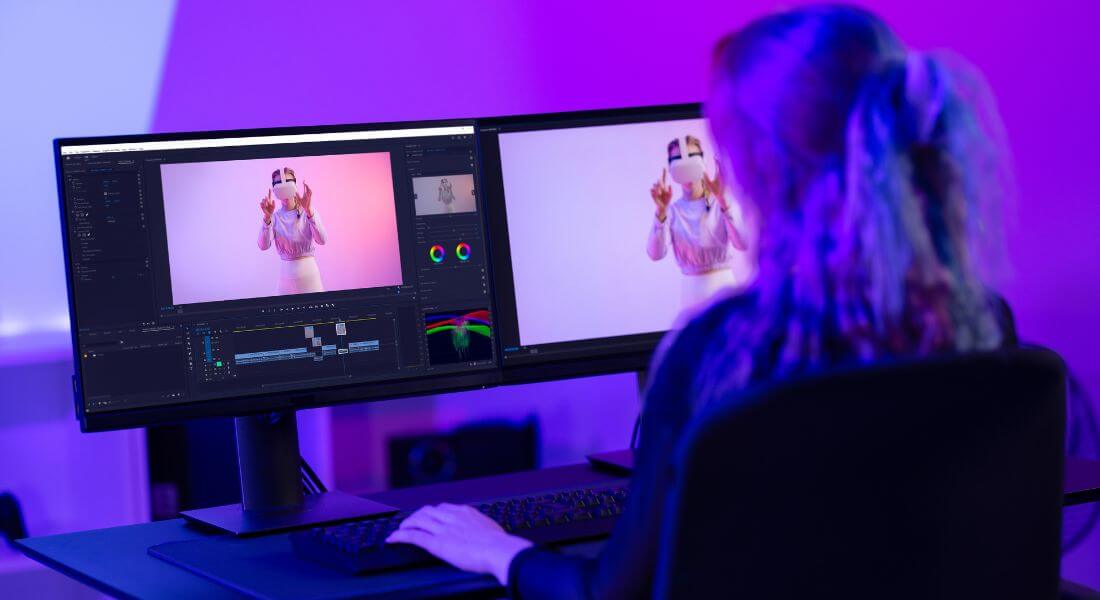
Although Unity and Unreal Engine are primarily designed for game development, they have evolved into powerful tools for animation as well. Today, many animation studios and independent creators use these engines to produce high-quality cinematic cutscenes, interactive experiences, and even fully animated short films. Their real-time rendering capabilities make it possible to see your animations instantly, which significantly speeds up the workflow compared to traditional rendering pipelines. Additionally, both engines support seamless integration with motion capture data, allowing animators to create realistic character movements with greater ease.
One of the biggest advantages of using Unity or Unreal Engine for animation is their flexibility. They allow you to combine interactive elements, physics-based simulations, and advanced lighting effects in ways that traditional animation software often cannot. This makes them ideal for projects where storytelling takes place in immersive virtual worlds or requires a high degree of interactivity.
Pros:
- Real-time rendering with cinematic-quality visuals, which allows for immediate feedback on scenes.
- Widely used in both game and film production, giving animators access to industry-standard tools.
- Free for small-scale projects, with a royalty-based model for commercial use, making it accessible for beginners and indie developers.
Cons:
- Requires some programming knowledge to fully utilise, which can be a barrier for those without coding experience.
- Steeper learning curve for non-technical users, as mastering animation within a game engine involves understanding both the animation tools and the engine’s overall workflow.
If your goal is to create interactive animations or tell stories within virtual environments, Unity and Unreal Engine remain unmatched in their versatility and potential. Their combination of real-time feedback, cinematic rendering, and interactive capabilities makes them excellent choices for anyone looking to push the boundaries of traditional animation.
Which One Should You Choose?
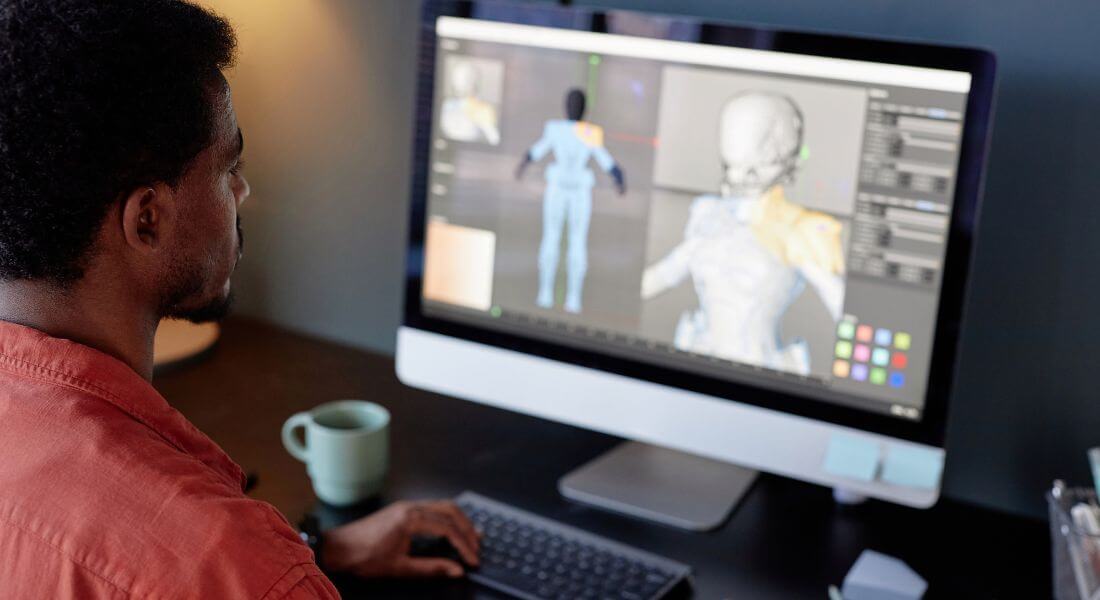
Choosing the right animation software really depends on your goals, skill level, and the kind of projects you want to create.
If you’re a beginner, you’ll probably enjoy using Moho, OpenToonz, or Blender. They’re easy to learn, affordable, and perfect for getting started without feeling overwhelmed.
If you’re a professional 2D animator, you might prefer Toon Boom Harmony or TVPaint. These are industry-standard programs that give you full control over every frame and effect.
For 3D artists, tools like Blender or Maya are incredibly powerful. They’re designed for creating realistic models and lifelike animations that look ready for the big screen.
If you’re more of a motion designer, then After Effects or Cinema 4D will be your go-to. They’re seamless for branding, explainer videos, and smooth visual storytelling.
And if you love experimenting, the Blender Grease Pencil is brilliant for combining 2D and 3D elements in one creative space perfect for artists who like to mix styles.
If you often work with clients or create high-quality brand animations, it’s worth partnering with an experienced animation agency in London. They can help you bring your ideas to life using the right tools for each project.
FAQs:
1. What is the easiest animation software for beginners?
For beginners, Moho (Anime Studio), OpenToonz, and Blender are excellent starting points. Moho’s intuitive bone-rigging system lets you animate characters quickly without drawing every frame, while OpenToonz offers free, professional-grade tools for frame-by-frame animation. Blender is also beginner-friendly if you’re willing to invest some time learning its interface, and it has an enormous library of tutorials to guide you.
2. Can I create professional animations using free software?
Absolutely. Blender and OpenToonz are both free yet highly capable tools. Blender, in particular, allows you to produce 3D films, visual effects, and even 2D animations using the Grease Pencil feature. OpenToonz is used professionally by studios like Studio Ghibli for high-quality 2D animation, so free software can be just as effective as paid programs if you’re willing to learn the tools.
3. Which software is best for 2D hand-drawn animation?
Toon Boom Harmony and TVPaint Animation are the top choices for hand-drawn 2D animation. Harmony is widely used in professional studios and combines traditional frame-by-frame tools with advanced rigging and compositing. TVPaint focuses on bitmap-based workflows, giving your animation a natural, artistic look reminiscent of traditional cels.
4. Is Blender suitable for 2D animation as well as 3D?
Yes. Blender is primarily a 3D tool, but its Grease Pencil feature allows you to draw directly in a 3D environment, effectively combining 2D and 3D animation. This is ideal for stylised projects, dynamic camera movements, or hybrid animations that blend both worlds. It gives artists flexibility without needing separate software for 2D and 3D.
5. Which software is best for creating motion graphics?
Cinema 4D and Adobe After Effects are the most popular choices for motion graphics. Cinema 4D offers powerful 3D animation tools and MoGraph features for dynamic visuals, while After Effects is perfect for compositing, 2.5D animations, and effects-heavy projects. Both integrate well with other design tools, making them staples for marketers and motion designers.
6. Can I use game engines like Unity or Unreal Engine for animation?
Yes, both Unity and Unreal Engine are increasingly used for cinematic animation, interactive videos, and short films. Their real-time rendering allows immediate feedback, and they integrate well with motion capture. While they have steeper learning curves and may require coding knowledge, these engines offer unparalleled flexibility for interactive and immersive animations.
7. Which software is ideal for creating explainer videos or web content?
Adobe Animate is perfect for 2D explainer videos and web animations. Its vector-based environment allows smooth, scalable motion, and it integrates seamlessly with Photoshop, Illustrator, and After Effects. You can export your animations in multiple formats including HTML5, GIFs, and videos, making it ideal for marketing and social media content.
8. Is subscription-based software worth it compared to one-time purchase options?
Subscription software like Adobe Animate, After Effects, Cinema 4D, and Toon Boom Harmony provides ongoing updates, cloud features, and integration with other tools. One-time purchase options like TVPaint or Moho give you lifetime access without recurring costs. Your choice depends on whether you prefer the latest features and cloud integration or a one-off investment.
9. How steep is the learning curve for professional animation software?
Professional software such as Maya, Toon Boom Harmony, and Blender can be challenging for beginners due to advanced features like rigging, physics simulations, and complex timelines. However, online tutorials, courses, and community support make it manageable. Starting with simpler tools like Moho or OpenToonz can help you gradually build skills before moving to professional-grade software.
10. How do I choose the right animation software for my goals?
Start by defining your needs: Are you creating 2D, 3D, or hybrid animation? Are you a beginner or a professional? Consider budget, project type, and the style you want to achieve. Beginners often benefit from Moho, OpenToonz, or Blender, while professionals might choose Toon Boom Harmony, Maya, or Cinema 4D. For interactive or game-based animation, Unity or Unreal Engine are unmatched. Evaluating your goals alongside software features ensures you select the tool that aligns with your creative vision.
Final Thoughts: Picking the Best Animation Software
Choosing the right animation software depends on your goals, skill level, and the type of projects you want to create. Beginners may find Moho, OpenToonz, or Blender perfect for learning the ropes without feeling overwhelmed. Professional 2D animators will benefit from industry-standard tools like Toon Boom Harmony or TVPaint, while 3D artists can leverage Blender or Maya for cinematic-quality results. Motion designers often turn to After Effects or Cinema 4D for smooth visual storytelling, and the Blender Grease Pencil is ideal for those looking to experiment with hybrid 2D/3D animation.
If you’re working with clients or aiming to produce high-quality content, it’s worth seeking expert guidance. You can contact our animation agency in London to take your projects to the next level and ensure your creative vision is realised with the right tools and techniques.
