

If you’ve ever wondered what truly goes into creating a professional, high-performing video, the answer lies in four key stages the 4 P’s of video production: Pre-production, Production, Post-production, and Promotion.
Each stage plays a crucial role in shaping the final result. From developing ideas and scripting to filming, editing, and marketing, every “P” ensures your message connects with the right audience in the right way.
In this article, I’ll walk you through each phase in detail explaining what happens at every step, why it matters, and how to get the most out of the process. Whether you’re a brand, marketer, or creative just starting out, this guide will help you see video production as a strategic journey rather than a one-time shoot.
The 4 P’s of Video Production
When it comes to creating a video that truly connects with your audience, everything revolves around the four key stages Pre-Production, Production, Post-Production, and Promotion. Each stage plays a crucial role in shaping your story and making sure it reaches the right people.
Let’s take a closer look at what you’ll be doing at each step.
1. Pre-Production – Planning and Preparation
This is where your video begins to take shape. You’ll research your topic, write your script, create a storyboard, and set your budget. It’s all about building a strong foundation so you’re fully prepared before the cameras start rolling.
2. Production – Filming and Capturing Content
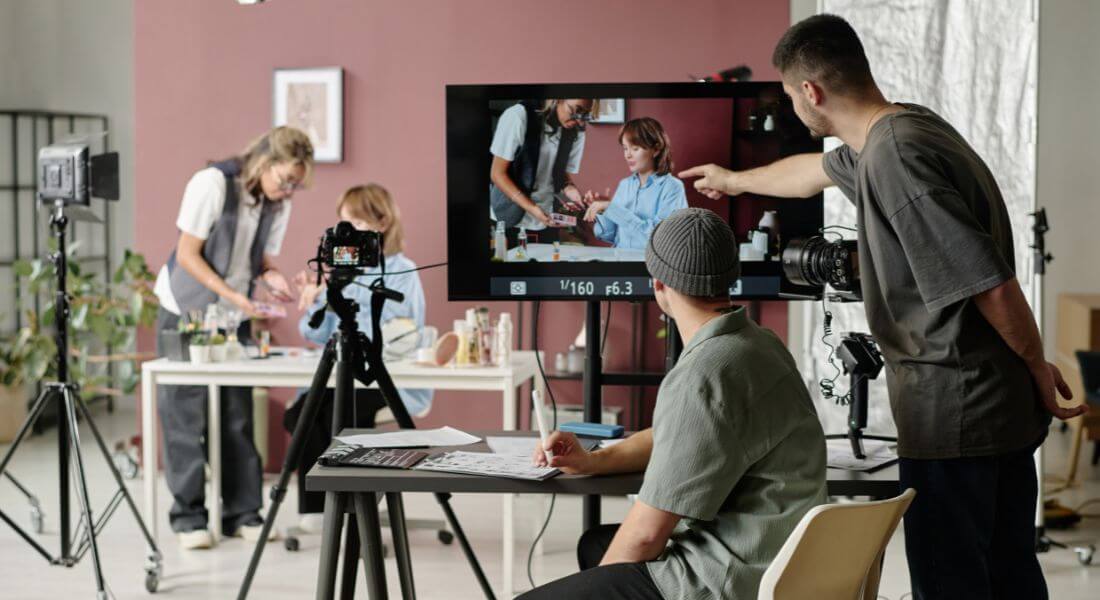
Now comes the fun part bringing your vision to life. You’ll set up your camera and lighting, direct your team or talent, and capture all the footage and sound you need. This stage is where your planning starts to pay off.
3. Post-Production – Editing and Refining
Once filming is done, it’s time to polish your video. You’ll edit your clips, add colour grading, mix sound, and include any graphics or special effects. Think of this stage as fine-tuning your story so it looks and sounds professional.
4. Promotion – Distribution and Marketing
Your video is ready now you need to get it seen. You’ll publish it across the right platforms, optimise it for SEO, share it on social media, and run ad campaigns if needed. The goal here is simple: make sure your video reaches the audience it was made for.
Each of these stages connects seamlessly with the next, helping you move from an initial idea to a finished video that tells your story in the most powerful way possible.
1. Pre-Production Planning Your Vision
Pre-production is the foundation of every successful video project. It’s the phase where ideas take shape, goals are defined, and logistics are finalised.
Think of it as the blueprint of your video every detail matters here because it determines how smoothly everything runs later.
Define Your Purpose
Ask yourself: What do I want this video to achieve?
Your purpose could be:
- Educating your audience about a product
- Driving traffic to a website
- Increasing brand awareness
- Generating leads or sales
The clearer your objective, the easier it is to design a video strategy that delivers results.
Know Your Audience
Before a single frame is shot, you need to understand who you’re speaking to.
Identify:
- Their demographics (age, gender, location)
- Their interests and pain points
- What motivates them to take action
This information helps you tailor your script, tone, and visuals for maximum engagement.
Concept and Script Development
This is where creativity meets structure.
- Concept creation: Brainstorm unique ideas or angles that align with your brand and message.
- Scriptwriting: Draft a concise, emotionally engaging script that speaks directly to your viewer.
Tip: Keep sentences conversational and short just like how people actually speak. That’s what keeps attention high.
Storyboarding and Shot Planning
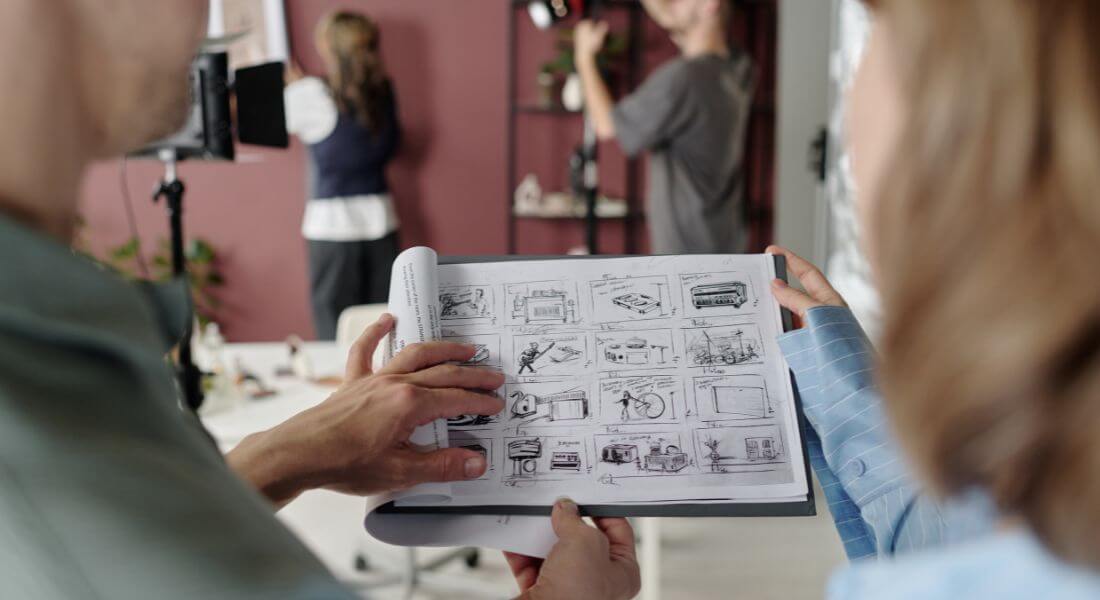
A storyboard visually outlines how your video will unfold scene by scene.
This helps your team from directors to editors understand the flow, pacing, and framing of each shot.
Include notes for:
- Camera angles
- Transitions
- On-screen text or animations
Budgeting and Scheduling
Planning early avoids chaos later.
Determine costs for:
- Crew and equipment
- Talent or actors
- Location rentals
- Editing and animation
- Licensing (music, footage, or graphics)
Create a production timeline that accounts for contingencies. Always factor in extra time for revisions or unexpected delays.
Casting and Location Scouting
Choose talent that fits your brand’s tone and audience expectations. The same goes for locations they should complement the story visually and logistically.
Once everything is confirmed, you’re ready to move to the next stage: production.
2. Production Bringing the Vision to Life
Production is where your plans become reality. This is the “filming” stage where every shot, sound, and performance is captured.
It’s exciting but also where organisation truly pays off. A well-prepared shoot saves time, budget, and ensures the footage looks and sounds professional.
Setting Up the Scene
A successful shoot starts with the right setup.
Your crew will prepare:
- Lighting: Ensures subjects look natural and flattering.
- Sound: High-quality audio is non-negotiable; background noise can ruin even the best footage.
- Camera equipment: Different lenses and rigs are used depending on your goals from cinematic shots to social media-friendly vertical formats.
Directing Talent
The director’s job is to bring the script to life. This includes guiding actors, presenters, or even non-professional participants to deliver lines naturally and confidently.
Small adjustments in tone, pacing, or expression can dramatically affect how the audience perceives your brand message.
Capturing B-Roll
B-roll refers to supplementary footage close-ups, environment shots, or product details that support the main story.
It adds variety, visual context, and depth, making your final video more dynamic and engaging.
Sound and Continuity Checks
Consistency matters. Background sounds, lighting levels, and even wardrobe details should match across takes.
It’s easier to correct these on set than in post-production, where fixes can be time-consuming and costly.
The Importance of Flexibility
Even the best-laid plans can shift. Weather changes, schedules slip, or inspiration strikes unexpectedly.
A professional crew stays adaptable capturing spontaneous moments that often become the most memorable parts of the video.
Once all footage is captured and logged, the creative magic truly begins: post-production.
3. Post-Production Where the Story Comes Together

This is where everything you filmed transforms into a cohesive, polished story.
Post-production involves editing, sound design, colour correction, and more. It’s both a technical and artistic phase and often where a video’s emotional impact is truly built.
Video Editing
Editing shapes your footage into a story that flows naturally and emotionally.
A good editor will:
- Trim unnecessary shots
- Sync visuals to audio
- Adjust pacing for viewer engagement
- Add transitions that feel seamless
It’s not just about cutting clips it’s about crafting rhythm and emotion.
Sound Design and Mixing
High-quality sound elevates even simple visuals. During sound design, editors refine dialogue, balance background audio, and add subtle sound effects for realism.
Music also plays a major role here. The right soundtrack can amplify mood, pace, and memorability.
Colour Grading
Colour grading gives your video a professional, cinematic look.
It ensures consistency between scenes and enhances mood warm tones for friendliness, cooler hues for sophistication.
Graphics and Animation
Modern videos often include motion graphics, lower-thirds, or text overlays.
These elements:
- Highlight key messages
- Strengthen branding
- Keep viewers engaged on visual platforms like YouTube or Instagram
Review and Revisions
Before final delivery, the video goes through review rounds.
Teams check for:
- Accuracy and alignment with the brand message
- Correct spelling and logo placement
- Smooth transitions and audio balance
Once approved, the video is ready for distribution but your job isn’t done yet.
4. Promotion Getting Eyes on Your Video
You’ve crafted a stunning video. Now, it’s time to make sure people actually see it.
Promotion is often the most overlooked stage, but it’s just as important as filming or editing. Without proper distribution, even the most brilliant video can go unnoticed.
Choosing the Right Platforms
Where you share your video depends on your audience and goals.
- YouTube: Ideal for educational or entertainment content.
- LinkedIn: Perfect for B2B and professional audiences.
- Instagram & TikTok: Great for short, visually dynamic clips.
- Website: Embedding videos increases dwell time and boosts SEO.
Tailor the format and messaging to each platform for maximum reach.
Video SEO (Search Optimisation)
Optimising your video increases visibility on search engines and platforms like YouTube.
Key strategies include:
- Using descriptive titles and tags
- Writing keyword-rich video descriptions
- Adding subtitles for accessibility
- Creating compelling thumbnails
These small steps can make a big difference in organic reach.
Paid Advertising and Retargeting
If your goal is conversions, consider paid video campaigns.
Platforms like Meta Ads, YouTube Ads, and Google Video campaigns allow you to target specific demographics and track ROI.
Retargeting viewers who’ve engaged with previous content also improves conversion efficiency.
Social Media Strategy
Consistency is key. Schedule regular posts, reels, and stories to maintain engagement.
Encourage sharing and comments to boost algorithmic visibility. Short snippets from your main video can act as teasers, driving traffic to the full version.
Analytics and Performance Tracking
Measuring your video’s success helps refine future projects.
Monitor:
- View count and watch time
- Engagement rate (likes, comments, shares)
- Click-throughs and conversions
Most platforms offer detailed analytics, helping you understand what resonates with your audience.
Why All Four P’s Matter Equally
You can’t skip one stage and expect great results. The 4 P’s are interdependent:
- Without Pre-production, you lack direction.
- Without Production, you have no footage.
- Without Post-production, you lose quality.
- Without Promotion, you miss your audience.
Each stage amplifies the next, creating a complete video marketing ecosystem.
Common Mistakes to Avoid
- Skipping strategy: Jumping straight into filming without planning leads to unfocused content.
- Neglecting sound: Poor audio quality ruins professionalism.
- Over-editing: Too many effects can distract from the message.
- Ignoring promotion: Even brilliant videos need marketing support to perform.
- Not defining success: Always measure results to learn and improve.
Working with a Professional Team
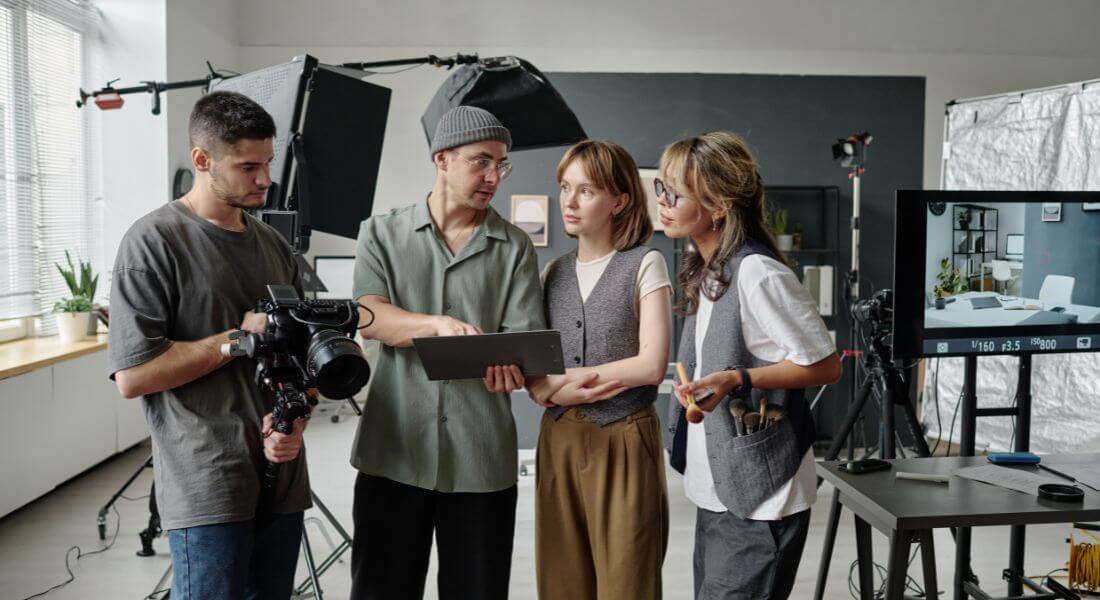
While it’s possible to create basic videos in-house, collaborating with an experienced video production company in London ensures consistency, creativity, and technical precision at every stage.
A professional team can handle:
- Creative ideation and scripting
- Filming with high-end equipment
- Editing, animation, and sound design
- Multi-platform distribution and tracking
This partnership turns your vision into a well-structured campaign that achieves measurable business results.
Frequently Asked Questions About the 4 P’s of Video Production:
1. Why is pre-production considered the most important stage?
Pre-production sets the entire project up for success because it’s where you decide what your video is about, who it’s for, and how it will be executed. Without a solid plan, you risk wasting time and budget during filming. When you define your goals, understand your audience, and prepare scripts, storyboards, and schedules in advance, you’ll find that every later stage from shooting to editing runs far more smoothly. It’s essentially your roadmap for the entire journey.
2. How long does the video production process usually take?
The timeline depends on the scale and complexity of your project. A short social media video might take a few days from concept to upload, while a corporate or branded campaign could stretch over several weeks. Pre-production usually takes the longest because it involves planning and coordination. Production time depends on the number of shooting days, and post-production can take anywhere from a few days to a few weeks depending on how much editing, animation, or sound work is needed. Promotion then continues for as long as you’re running your campaign.
3. What’s the difference between production and post-production?
Production is the stage where you film everything capturing visuals, sound, and performances. Post-production, on the other hand, happens after all the filming is done. This is where editors assemble the footage, refine the pacing, enhance colours, add music and graphics, and create the final version. In short, production is about gathering content, while post-production is about polishing it into a cohesive story.
4. Can I skip one of the 4 P’s if I’m short on time or budget?
Skipping a stage might seem tempting, but it usually costs you more in the long run. For example, if you rush through pre-production, you may end up reshooting scenes later because something was missed. If you skip post-production, your video might look unprofessional or lack emotional impact. Even promotion is crucial without it, your video may never reach its intended audience. Each “P” supports the others, and together they form a complete production process that delivers real results.
5. Do I need expensive equipment to produce a good video?
Not necessarily. While professional cameras and lighting can improve quality, what matters most is clear storytelling, good sound, and thoughtful composition. Many successful videos today are shot on smartphones with proper lighting and framing. If your message is strong and you understand your audience, you can achieve great results without breaking the bank. However, for commercial or corporate projects, professional equipment and expertise often make a noticeable difference.
6. How do I make my video stand out during the promotion stage?
Standing out comes down to strategy and consistency. You’ll want to choose the platforms where your audience spends time whether that’s YouTube, LinkedIn, or TikTok and tailor your content accordingly. Writing engaging titles, using eye-catching thumbnails, and optimising your videos for search engines all help increase visibility. Don’t just post once and move on; share shorter clips, behind-the-scenes moments, or teasers to build anticipation and keep your audience engaged over time.
7. What kind of budget should I plan for video production?
Budgets vary widely depending on what you’re creating. A simple talking-head video might only require minimal costs for equipment and editing, while a full-scale production with actors, multiple locations, and animations can be significantly higher. The key is to be realistic about your goals and resources. A good approach is to set a clear budget during pre-production and prioritise what will have the most impact whether that’s great visuals, professional sound, or creative storytelling. Transparency with your production team also helps avoid surprises later.
8. How do I measure whether my video was successful?
Success looks different for every project, so start by defining what success means to you more sales, higher website traffic, increased brand awareness, or greater engagement. Once your video is live, track metrics such as view count, watch time, click-through rates, and conversions. Social platforms and hosting tools offer detailed analytics that show how people are interacting with your video. Over time, these insights help you refine future campaigns and invest in the types of videos that perform best.
9. Can I handle all four stages on my own, or should I hire professionals?
If you’re working on a small project or experimenting with content creation, it’s absolutely possible to manage all four stages yourself. However, for business or brand videos that need to represent your organisation professionally, collaborating with an experienced production team can save you time and elevate the final result. Professionals bring technical expertise, creative insight, and industry-grade equipment all of which contribute to a video that not only looks great but also performs well across platforms.
10. What’s the biggest mistake people make in video production?
The most common mistake is thinking the video ends once it’s edited. Many creators spend weeks perfecting visuals and sound, only to neglect promotion. Without a plan for distribution, even the best videos struggle to find an audience. Another frequent issue is trying to do too much adding effects, transitions, or messaging that distracts from the main story. The key is to stay focused on your purpose, plan every stage carefully, and always think about what will resonate most with your audience.
Final Thought: Why the 4 P’s Matter
The 4 P’s of video production Pre-production, Production, Post-production, and Promotion all work together to turn your idea into a professional, high-performing video. Skipping any stage can affect the quality, clarity, or reach of your content, so giving each phase the attention it deserves is key.
If you want to make sure your video achieves its full potential, you can contact our video production company in London to guide you through every stage of the process. With their expertise, your vision can be transformed into a polished, engaging video that reaches the right audience and delivers measurable results.
