
If you’ve been in the animation industry for any length of time, you’ll know just how labour-intensive the entire process can be. Every stage from initial scripting and concept development to storyboarding, asset creation, animation, voiceover, and final rendering demands a significant investment of time, creativity, and technical skill.
For years, creating high-quality animations meant long nights, tight deadlines, and a reliance on large production teams or expensive outsourcing. Even small changes could send projects back to square one. But in 2025, the landscape is rapidly changing.
Thanks to groundbreaking advancements in artificial intelligence, animators now have access to tools that can dramatically speed up production without sacrificing quality. Whether you’re a solo creator, part of a studio, or working on corporate animations, AI is making it possible to automate tedious tasks, generate assets in seconds, and streamline collaboration across teams.
The best part? These AI tools are no longer just for tech giants or major studios. Many are user-friendly, cost-effective, and designed specifically with creators in mind meaning more animators than ever can take advantage of the efficiencies they offer.
In this guide, we’ll walk you through exactly how to use AI to supercharge your animation workflow. From idea generation to post-production, we’ll explore which tools are worth your time in 2025 and how to use them to stay ahead in a competitive industry. Whether you’re looking to cut down on production time, improve consistency, or simply free yourself up to focus on more creative tasks, AI has something to offer you. Let’s dive into the practical ways you can start integrating AI into your animation process today.
Why AI is Transforming Animation
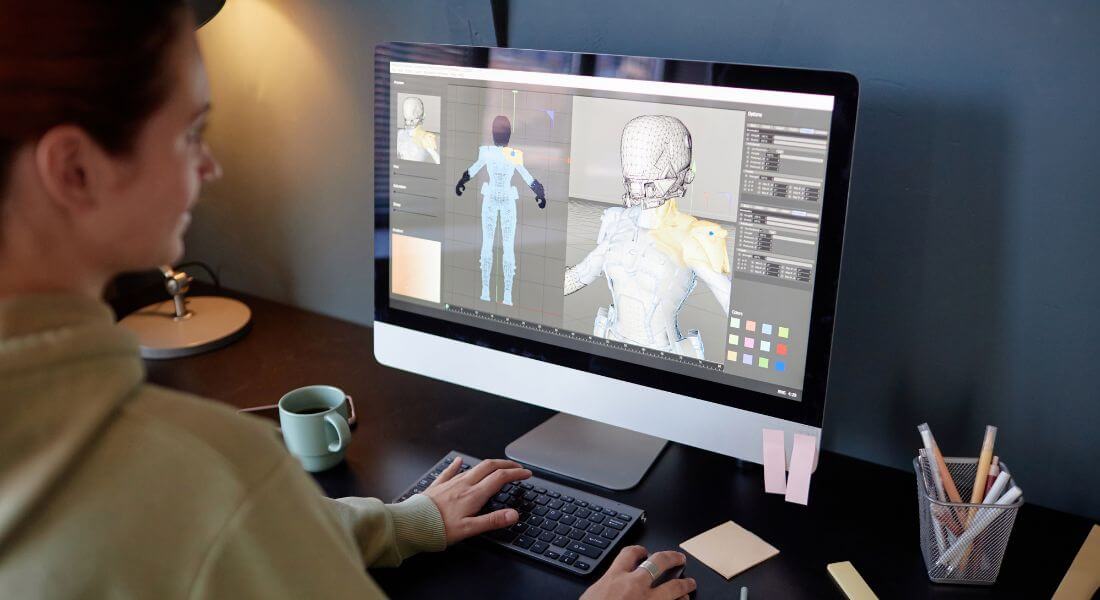
Until recently, AI in animation felt more like science fiction than something usable in a real production pipeline. Most tools were clunky, experimental, or limited to novelty projects. But in 2025, that’s changed dramatically.
AI is now a practical, production-ready tool that helps teams at every level from solo creators to full studios. It’s no longer about replacing artists; it’s about empowering them. The right tools can transform your workflow without compromising creativity.
Here’s what AI is doing for animation today:
- Speeds up repetitive tasks like inbetweening, rigging, lip sync, and rendering
- Enhances creative possibilities with idea generation, concept art, and scene variations
- Reduces production costs by cutting down time, software switching, and manual labour
- Allows smaller teams to produce polished, professional results that rival big-budget studios
- Makes rapid prototyping and revisions easier, improving client communication and feedback loops
- Helps non-animators contribute meaningfully through user-friendly interfaces and automation
Rather than replacing human imagination, AI shifts your focus. You spend less time on technical grunt work and more time on storytelling, style, and vision. That’s a game-changer for both speed and quality.
1. AI Scriptwriting and Ideation
How It Helps:
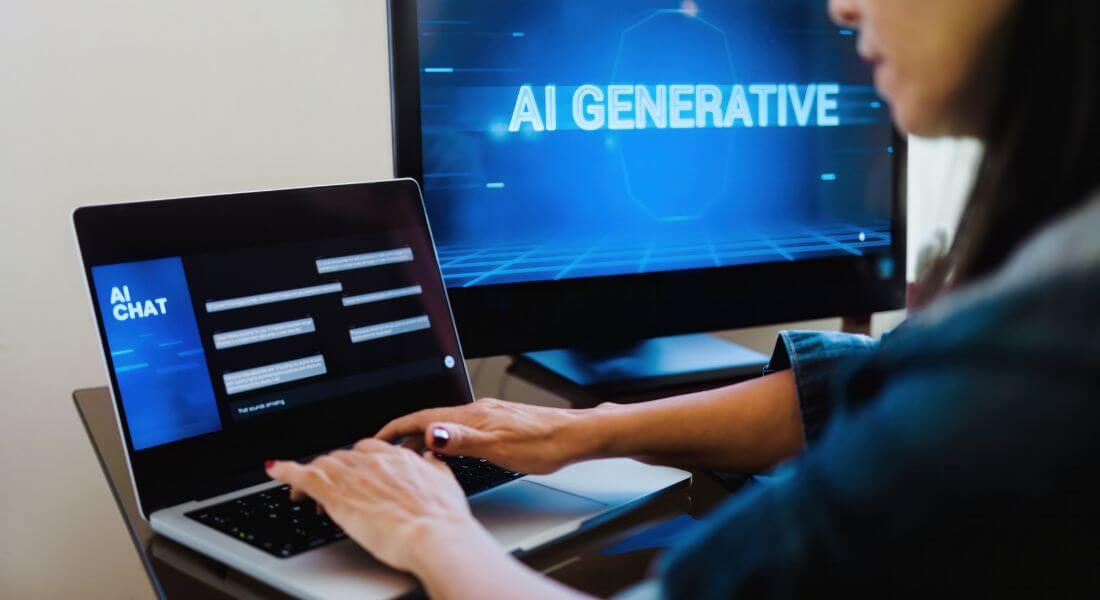
Crafting scripts and concepts can be incredibly time-consuming especially when juggling multiple deadlines or clients.AI tools streamline the brainstorming phase, helping you move from blank page to solid draft in minutes. They’re ideal for generating ideas, structuring scenes, and experimenting with different tones or formats.
Top Tools:
- ChatGPT
Great for generating initial drafts, exploring creative angles, and rephrasing dialogue or narration. It’s also useful for outlining story arcs and expanding short ideas into full concepts. - Jasper
Tailored for marketers and video creators, Jasper excels at writing scripts in specific tones and formats. It’s especially handy for explainer videos, ads, and brand content. - Copy.ai
Perfect for taglines, hooks, captions, and short-form video scripts. It’s a quick solution when you need sharp, engaging text fast.
Tip:
AI can give you a head start but it’s not a final draft machine. Always edit and refine outputs to match your brand voice, ensure tone consistency, and check for factual accuracy. Think of it as a creative partner, not a finished-product generator.
2. AI Storyboarding and Previsualisation
How It Helps:
Storyboarding used to mean sketching every panel by hand an essential but time-consuming step.
Today, AI tools can generate rough visuals, suggest camera angles, and streamline scene planning.
This makes it faster and easier to map out your animation before diving into production.
Top Tools:
- Storyboarder
A user-friendly tool that offers drag-and-drop panels with AI-assisted scene suggestions. Ideal for quick layout planning and sequencing ideas without starting from scratch. - Krock.io
Combines AI-generated layouts with collaboration features for teams and clients. Great for visual feedback, approvals, and real-time adjustments. - Midjourney / DALL·E 3
Powerful image generators that help you create concept art, mood boards, and keyframe inspiration in seconds. Useful for visualising environments, characters, and lighting setups.
Tip:
Use AI-generated visuals as a starting point not the final product. They work well as placeholders or for creative direction, but polished storyboards still benefit from a designer’s eye. Think of them as drafts that spark faster decision-making.
3. Auto Lip-Sync and Facial Animation
How It Helps:
Lip-syncing used to be one of the most time-consuming parts of animation often done frame by frame.
AI now automates this process by analysing audio and generating accurate mouth shapes and facial expressions. This drastically cuts down animation time while keeping the results believable.
Top Tools:
- Adobe Character Animator
Captures facial movements in real-time and syncs them to your voice recordings.
Ideal for livestreaming or creating animated videos with expressive, responsive characters. - Papagayo NG
A free, open-source tool that helps sync pre-recorded audio to mouth shapes.
Especially useful for 2D animation projects on a budget. - Replica Studios
Offers AI-generated voice performances that sync directly to 3D character rigs.
Great for fast prototyping or adding voice acting without hiring talent.
Tip:
Always review the final sync manually. AI does the heavy lifting, but a few keyframe adjustments can greatly improve realism and emotional nuance. Use AI to get 80% of the way there then polish for that professional touch.
4. AI Asset Generation
How It Helps:
Designing props, backgrounds, and textures from scratch can slow down your entire pipeline.
AI tools now generate these assets quickly saving hours without sacrificing style or consistency.
You can go from a rough idea to a production-ready element in minutes.
Top Tools:
- Runway ML
Converts text prompts into visuals, including backgrounds, textures, and abstract assets. Great for generating creative variations or filling in gaps during pre-production. - Stable Diffusion
Creates highly detailed and customisable assets using AI image models. With proper training or fine-tuning, it can match your existing art style. - Adobe Firefly
Integrated with Adobe Creative Cloud, it’s ideal for generating vector graphics, seamless patterns, and quick visual elements. Especially useful for motion design, branding, or stylised animation.
Tip:
AI-generated assets are fast but not always perfect. Use them as a base, then refine or stylise them to match your project’s look and feel. It’s an efficient way to stay creative without starting from zero.
5. Frame Interpolation and In-Betweening
How It Helps:
Traditionally, animators create “key” poses and then draw every in-between frame by hand a time-intensive process. AI-powered in betweening tools can now generate those transitional frames automatically. This results in smoother motion and faster production without sacrificing artistic intent.
Top Tools:
- EbSynth
Applies the style of a hand-drawn or painted keyframe across an entire video sequence. Great for rotoscope-style animation or painterly looks without redrawing each frame. - RIFE (Real-Time Intermediate Flow Estimation)
Predicts in-between frames with impressive smoothness and speed. Especially useful for video upscaling, slow-motion, or filling in missing frames. - Dain-App
An AI interpolation tool that creates slow-motion sequences by generating realistic frame transitions. Ideal for cinematic effects or smoothing out low-frame-rate animations.
Tip:
While AI can fill in the gaps quickly, review the results closely. Some motion artefacts or style mismatches may still need manual cleanup. Use these tools to boost efficiency then fine-tune for quality control.
6. Motion Capture with AI
How It Helps:
Traditional motion capture required full-body suits, tracking markers, and expensive camera setups. Now, AI-powered mocap tools let you record body movements using just a webcam or smartphone.
It’s a game-changer for animators working remotely or on a tight budget.
Top Tools:
- DeepMotion Animate 3D
Converts regular video footage into usable 3D motion data. Great for bringing characters to life with realistic movement without a mocap studio. - Rokoko Video
Lets you capture and retarget animation from your laptop or phone camera. Integrates easily with 3D software like Blender and Maya. - Plask
A browser-based tool for fast, lightweight motion capture. Ideal for quick tests, animatics, or blocking out scenes.
Tip:
AI mocap is incredibly convenient but not perfect. It handles simple gestures and walking cycles well, but complex movements like fighting or dancing may require manual cleanup. Use it as a fast foundation, then refine as needed for precision.
7. AI-Enhanced Editing and Compositing

How It Helps:
Editing and compositing are crucial final steps but also some of the most time-consuming. AI tools can now automate tedious tasks like masking, clean-up, and scene transitions. This speeds up post-production while maintaining professional quality.
Top Tools:
- Adobe Sensei
Powers advanced features in After Effects and Premiere Pro, like auto scene detection, rotoscoping, and smart object removal. Saves hours on frame-by-frame tasks and boosts efficiency in complex edits. - Runway ML
Offers “magic” tools for instant green screen removal, style transfer, and video inpainting. Ideal for quick edits, experimental looks, or enhancing shots without deep VFX skills. - Topaz Video AI
Upscales video resolution, reduces noise, and enhances frame quality all without re-rendering the entire project. Great for repurposing lower-quality assets or improving final output clarity.
Tip:
AI speeds up the process, but always give edits a final human pass. Colour grading, transitions, and timing still benefit from a creative eye. Use AI to handle the grunt work so you can focus on the polish.
8. Text-to-Video: The Emerging Frontier
What’s New:
Text-to-video is one of the most exciting and rapidly evolving areas of AI in animation. Platforms like Pika Labs and Runway Gen-2 are leading the charge, turning written prompts into short animated clips. While the results aren’t production-ready yet, they’re already proving useful in the early creative stages.
What These Tools Can Do:
- Draft initial visual concepts based on basic script or scene descriptions
- Generate quick, eye-catching content for social media or presentations
- Inspire new story ideas through unexpected visual interpretations
Tip:
Text-to-video tools are best used as a launchpad not the final destination. They’re ideal for previsualisation, pitching, or ideation but still need refinement for pro-level output. Think of them as visual brainstorming partners, not finished editors.
How to Integrate AI Without Losing Quality
AI is powerful but it’s not a magic fix. When used carelessly, it can produce generic visuals, create style inconsistencies, or break the emotional tone of a scene. To maintain quality, creative integrity, and viewer trust, a balanced, human-led approach is essential.
To get the most out of AI tools:
- Use AI for speed and iteration, but always keep human oversight in the loop. Let AI handle the repetitive or time-consuming tasks, but make sure creative leads still shape the final outcome.
Automation should enhance your workflow, not take over your decisions. - Train your team on the strengths, limitations, and ideal use cases of each system. Understanding what a tool can and can’t do prevents costly missteps and ensures smoother integration. Hands-on testing and internal demos can accelerate adoption and avoid resistance.
- Maintain a strong creative direction AI should support your story, not shape it for you. Set visual benchmarks, story goals, and tone guidelines upfront, so AI-generated assets fit within your project’s vision. Treat AI like an assistant, not a storyteller.
- Establish review stages where human artists refine or override AI-generated outputs. Build in checkpoints for visual consistency, emotional impact, and brand alignment. Final reviews ensure the work feels intentional not artificially stitched together.
- Test AI tools in low-risk areas first, then scale up as they prove reliable. Use AI for prototyping, internal visuals, or background elements before applying it to hero assets or final shots. This allows you to evaluate performance and train your team in real-world conditions.
AI is a production accelerator not a creative replacement. When used thoughtfully, it opens up space for storytelling, experimentation, and polish that might otherwise get squeezed out. The key is to stay in creative control using automation to amplify your ideas, not dilute them.
Budget Considerations
The Cost of AI Tools Varies Widely
While AI can speed up production, it’s important to understand the pricing models before integrating tools into your workflow. Some are free to use, while others operate on subscription or pay-per-use models.
Types of Pricing Structures:
- Free / Open Source
Tools like Papagayo NG and Stable Diffusion (with local setups) are completely free. Ideal for independent creators or studios with tech-savvy teams. - Subscription-Based
Platforms like Adobe Creative Cloud, Runway ML, and DeepMotion charge monthly or annual fees. These often include regular updates, support, and cloud features. - Usage-Based
Some AI platforms charge credits or tokens based on the number of outputs generated. This is common with text-to-video or high-volume image generation tools.
Tip:
Don’t just budget for the tools themselves factor in training, testing, and experimentation time. There’s a learning curve, especially when aligning AI outputs with your creative standards. In the long run, AI can save significant time and money but only with proper onboarding.
The Benefits of AI-Driven Animation Workflows
Integrating AI into your pipeline isn’t just about working faster it’s about working smarter. When used strategically, AI tools can unlock both creative and operational advantages.
Key Benefits:
- Speed
Automate repetitive steps like lip-syncing, in betweening, and asset generation. This means faster turnaround times and the ability to take on more projects. - Consistency
Maintain a uniform visual style across scenes, episodes, or entire campaigns. AI helps enforce brand guidelines and reduces human error during production. - Cost Savings
Cut down on manual labour, reduce revision rounds, and streamline workflows. This lowers overall production costs without sacrificing quality. - Creative Freedom
Free up your team to focus on storytelling, direction, and design. Less time spent on technical chores means more room for bold creative choices.
AI helps shift your team’s energy from execution to innovation delivering better work, faster.
What AI Still Can’t Do
Despite the buzz, AI is not a replacement for human creativity and expertise. It’s a tool not a fully autonomous solution and it still has clear limitations.
Where AI Falls Short:
- Emotional Nuance
AI often struggles to capture subtle facial expressions, micro-reactions, or believable body language. These moments require a human touch to feel truly authentic. - Brand-Specific Styles
Without extensive custom training, AI can’t always match a brand’s unique visual language. This makes it risky for high-stakes projects that demand tight visual control. - Complex Choreography or Camera Moves
Intricate sequences like action scenes, dynamic camera work, or stylised transitions are still best handled manually. AI may attempt these, but results are often generic or off-mark.
Bottom Line:
AI is a powerful assistant, but not a creative director. Skilled animators remain essential for storytelling, emotional depth, and quality control. Think of AI as your co-pilot not the one flying the entire ship.
Final Thoughts: Smarter Animation Starts Today
AI tools are transforming animation workflows in 2025. Whether you’re a solo creator or a large studio, embracing these technologies can make your projects faster and more cost-effective without sacrificing creativity. If you’d like support blending AI with traditional techniques, you can contact our animation agency in London to take your content to the next level.
