
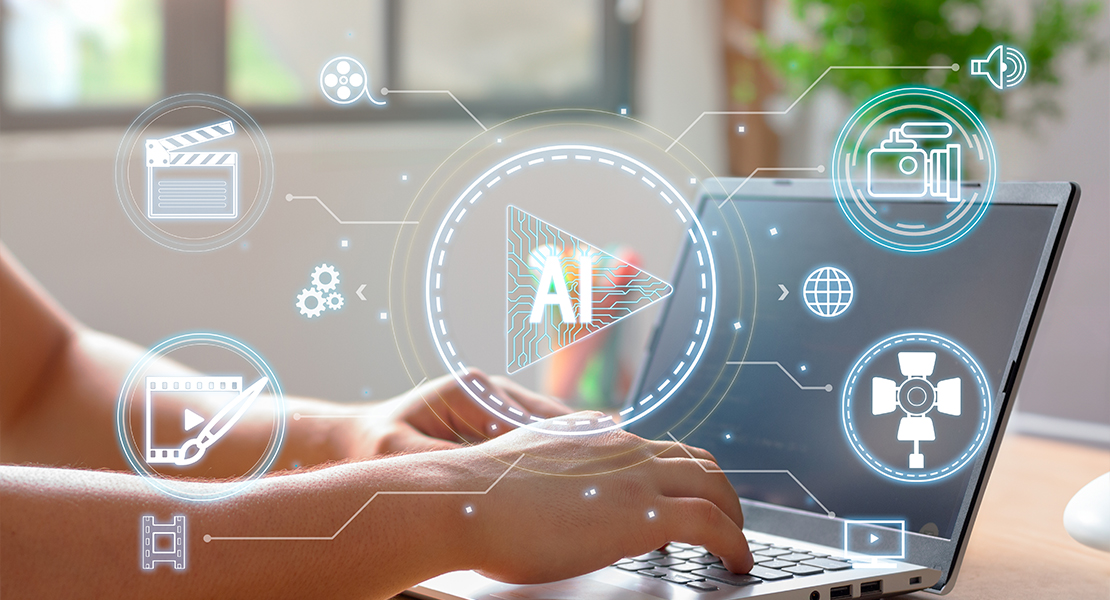
Animation has long been known as one of the most meticulous and time-consuming forms of visual storytelling. Traditionally, it required frame-by-frame precision, manual character rigging, and hours of rendering just to produce a few seconds of footage. But the landscape is rapidly evolving. In 2025, artificial intelligence (AI) is no longer just a supporting tool it’s becoming a driving force in animation production.
Thanks to the rise of AI-powered software and machine learning algorithms, processes that once took days or weeks can now be accomplished in a matter of minutes. From automating lip-syncing and generating real-time motion capture to suggesting entire storyboards or animating characters with naturalistic movement, AI is streamlining workflows and enabling faster turnarounds without sacrificing quality.
More importantly, AI is levelling the playing field. Independent creators and small studios can now access tools that were once reserved for major production houses, allowing them to produce high-quality animated videos at a fraction of the time and cost. Creative teams are beginning to reimagine their pipelines not just to save effort, but to unlock new possibilities in storytelling, design, and visual innovation.
Let’s take a closer look at how artificial intelligence is reshaping the animation industry, and what these changes mean for professionals working in the field today.
1. AI-Powered Lip-Syncing and Dialogue Automation
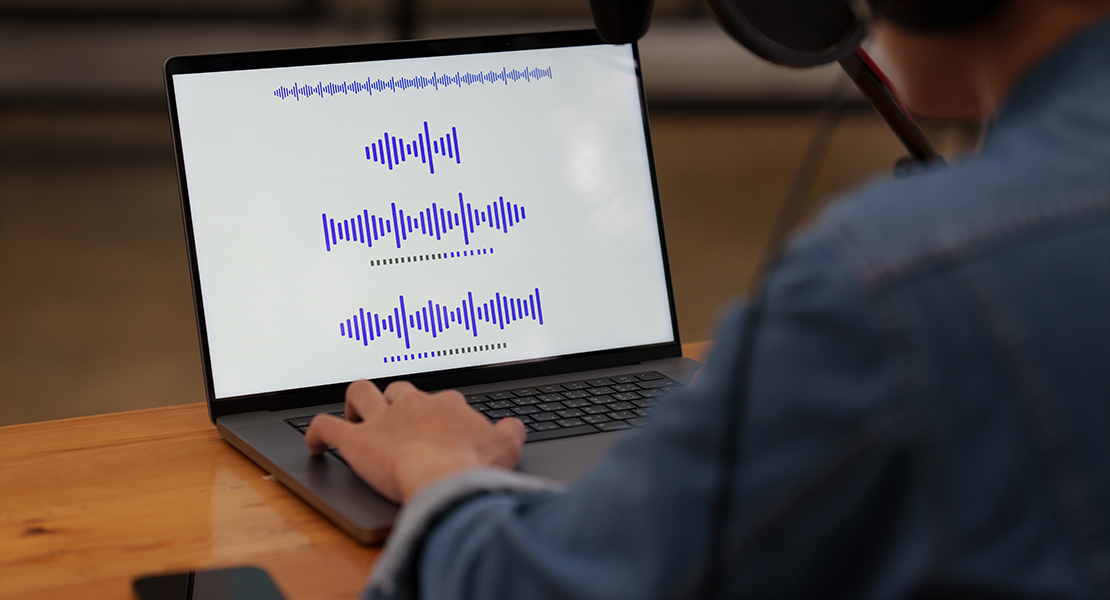
One of the most transformative shifts in animation has come through AI-driven lip-syncing and dialogue tools. Software like Adobe Character Animator, D-ID, and Papercup are taking the guesswork and grunt work out of syncing character mouths to voiceovers.
In traditional workflows, animators had to manually match mouth shapes (visemes) with phonetic sounds frame by painstaking frame. Not only was this time-consuming, but it also left room for human inconsistency. Now, AI tools analyse audio in real time and generate accurate mouth movements automatically, reducing hours of work to a few clicks.
- Faster workflow: With AI, there’s no need for tedious manual keyframing. As soon as a voice track is uploaded, the software interprets the audio and matches it with the appropriate mouth shapes instantly syncing lip movements to the dialogue. This is a massive time-saver, especially in projects with lots of back-and-forth conversation.
- Consistency across scenes: One of the underrated benefits of AI-driven syncing is consistency. No matter how long the script is or how many characters are talking, the software ensures that the lip-sync remains sharp, natural, and uniform throughout the entire video. This level of polish is hard to maintain with manual methods.
- Multilingual adaptability: Many AI platforms now offer automatic lip-sync in multiple languages. This is a game-changer for studios producing content for global audiences. You can easily localise videos swapping out voiceovers in French, Spanish, or Hindi without reanimating a single scene. The AI handles the new lip movements for you.
The result? Smoother production timelines, greater creative flexibility, and the ability to make last-minute voiceover changes without derailing your animation schedule. For both small teams and large studios, AI-powered lip-syncing is becoming a go-to solution for fast, professional-quality dialogue animation.
2. Frame Interpolation for Smoother Motion
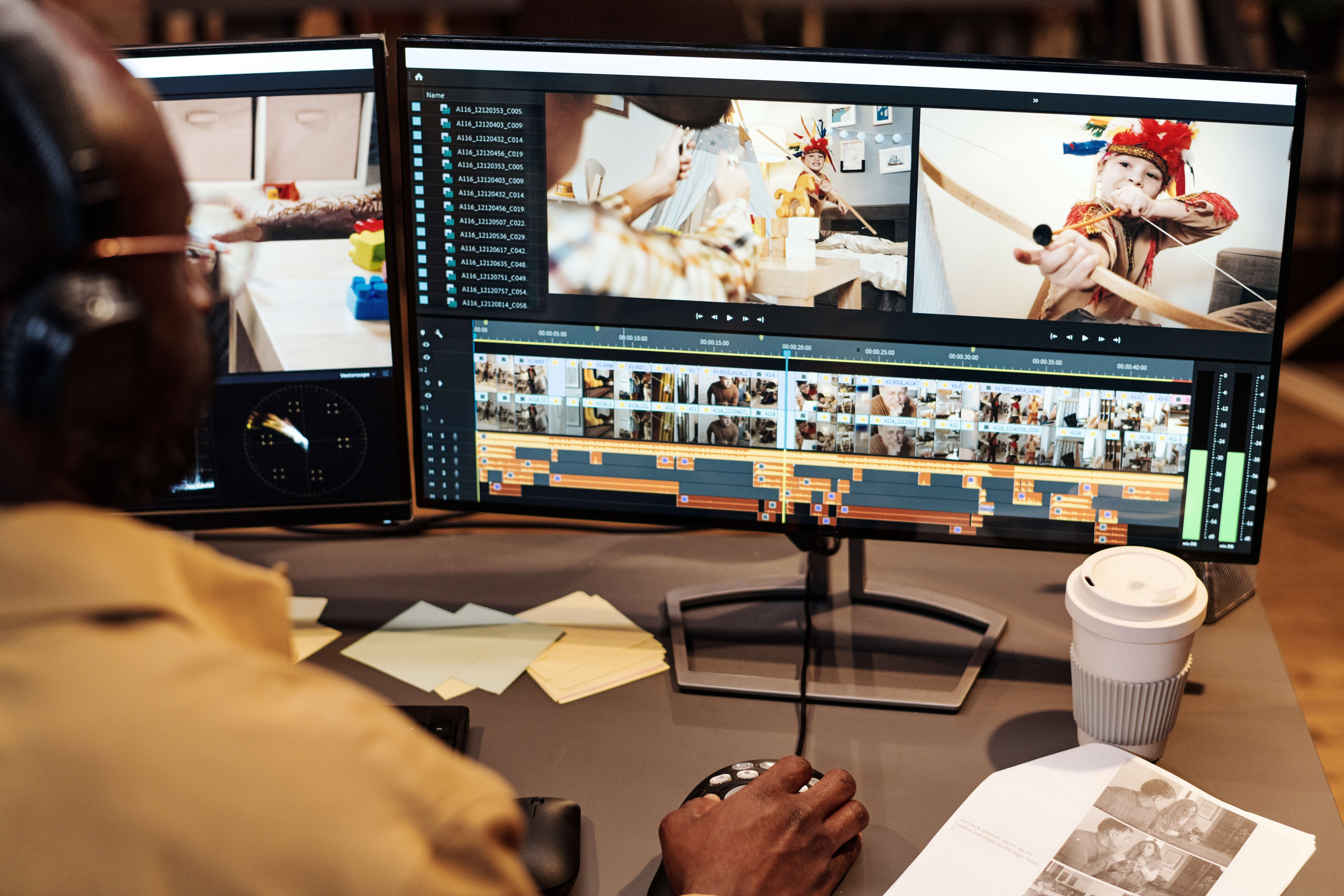
In traditional animation especially hand-drawn or 2D animation creating fluid motion meant drawing or keyframing every single in-between frame. These “in-betweens” were essential for smooth transitions, but they required an enormous amount of time and labour. For studios with tight deadlines or limited budgets, this often meant settling for a lower frame rate or choppier motion. That’s where AI-powered frame interpolation steps in.
Using tools like Ebsynth, RIFE (Real-Time Intermediate Flow Estimation), and Dain-App, animators can now generate the in-between frames automatically. These platforms analyse keyframes or rough animation passes and intelligently predict how motion should occur between them filling in the gaps with astonishing accuracy.
- AI interpolation: Instead of animating every frame by hand, creators can focus on just the key poses. The AI takes care of the rest, smoothly transitioning between positions and adding natural movement. This is particularly useful in rotoscoping, concept art animation, or even stylised music videos where consistent flow is key.
- Higher frame rates, same effort: With interpolation, you can turn a 12 fps (frames per second) animation into a 24 or even 60 fps sequence without doubling your workload. The motion feels more cinematic, professional, and immersive, especially when applied to camera moves, character gestures, or action scenes.
- Budget-friendly production: By reducing the need for a large team of in-betweeners or assistant animators, AI frame interpolation opens up high-quality animation to smaller studios and solo creators. You can achieve the same polished, fluid look that was once the domain of big-budget productions, using just a handful of keyframes and the right software.
In essence, AI isn’t replacing animators it’s amplifying their output. Tools like Ebsynth give artists the freedom to focus on creative direction and key storytelling beats, while the algorithm handles the heavy lifting of frame generation. For anyone working under time or budget pressure, frame interpolation is fast becoming an indispensable asset in the animator’s toolkit.
3. Automated Character Rigging
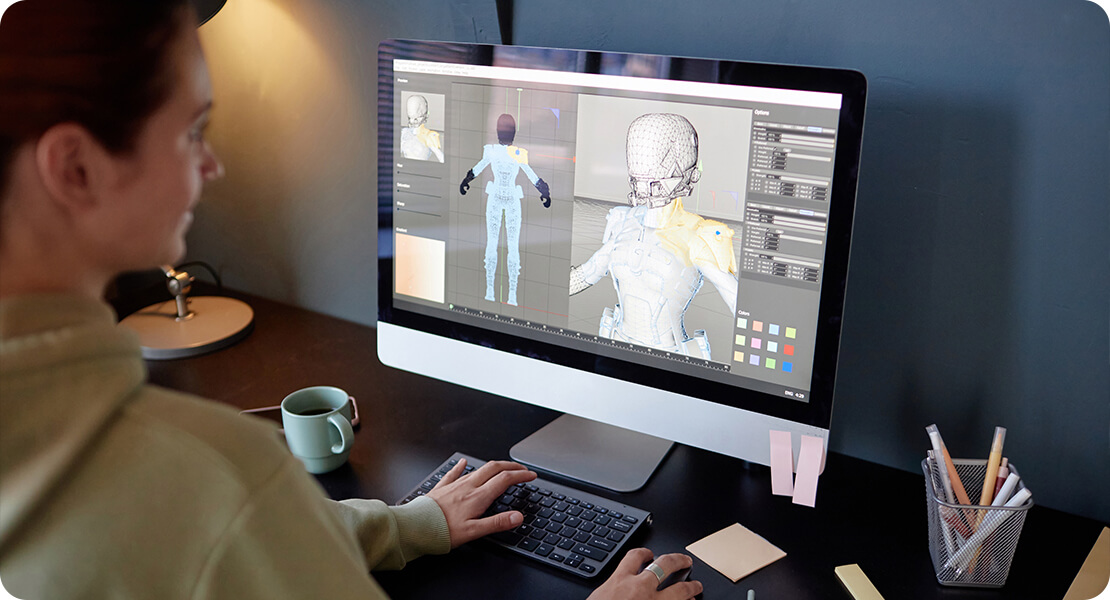
Rigging is one of the most technical and often time-consuming stages of the animation pipeline. It involves creating a digital skeleton for a character, defining how bones, joints, and control points interact so the character can move naturally. In traditional workflows, rigging could take hours or even days, especially for complex characters with nuanced motion requirements. Today, AI-assisted rigging tools are changing all of that.
Innovative platforms like DeepMotion, Cascadeur, and Adobe Mixamo now allow animators to rig characters in a matter of minutes. These tools use artificial intelligence to analyse character models, automatically assign joints and bones, and even predict the correct articulation for realistic movement.
- AI-assisted rigging: Instead of manually placing bones and adjusting weight maps, animators can simply upload a model and let the software do the groundwork. AI identifies limbs, joints, and body parts with impressive accuracy, significantly speeding up the setup process.
- Real-time previews: Many of these platforms let you preview how the rig behaves with basic animations like running, jumping, or waving before you commit to a full motion sequence. This instant feedback helps spot issues early and fine-tune the rig for better performance.
- Motion prediction and physics-based adjustments: Tools like Cascadeur go a step further by using physics-based AI to suggest or refine poses. If your character is leaping through the air, the software understands how gravity, momentum, and body balance should behave and it adjusts the rig’s posture accordingly. This leads to more natural, lifelike animations with less manual tweaking.
The biggest benefit? Creative freedom. When animators aren’t bogged down by technical rigging tasks, they can focus on storytelling, visual flair, and emotion. AI takes care of the foundational work, freeing up time for fine-tuning expressions, staging, and pacing. For indie studios and fast-paced production environments, automated rigging is a massive game-changer.
4. Style Transfer and AI Texturing
One of the most exciting creative developments in AI animation is the ability to transform the visual style of a project with just a few clicks. Traditionally, achieving a consistent artistic look whether it’s painterly, graphic, or hyper-realistic required either a team of specialised designers or countless hours manually painting and texturing each frame.
Now, thanks to AI-driven style transfer and texturing tools, this process has become far more streamlined and accessible.
- Neural style transfer: This technology allows animators to apply a visual style from a reference image like a Van Gogh painting, a comic book panel, or a brand’s visual identity directly onto their animation. Using deep learning models, the AI analyses the texture, colour palette, and brushwork of the reference and reinterprets your animation frames to match it. Tools like RunwayML and Prisma Labs have made this process user-friendly, even for those with minimal design training.
- Texture automation: AI doesn’t just stylise; it can also generate detailed, seamless textures for environments, props, and characters. By learning from a sample image or prompt, AI tools can produce consistent patterns and surface details across multiple frames eliminating the need to paint textures by hand or worry about visual inconsistencies. This is especially helpful in 3D animation, where materials like skin, fabric, or metal need to remain coherent from scene to scene.
- Faster visual iteration: One of the biggest advantages of AI-assisted style transfer is the freedom to experiment. Want to see how your scene looks with a watercolor finish? Or test out a cyberpunk-inspired texture set? You can do it in minutes, without redrawing or retexturing your assets from scratch. This flexibility makes visual R&D faster and more approachable not just for professional animators, but also for indie creators and marketing teams without in-house art departments.
Ultimately, AI is turning visual design into a more playful, iterative process. You can try multiple directions, make real-time adjustments, and explore bold creative choices without being locked into a single look too early in production.
5. Voice Cloning and AI Narration
Narration has always played a key role in animated content, whether it’s guiding viewers through a product demo, explaining complex ideas, or setting the tone for a story. Traditionally, hiring voice actors meant juggling schedules, booking recording studios, and managing rounds of feedback. But with the rise of AI voice generation and cloning tools, this entire process is becoming faster, cheaper, and far more flexible.
Platforms like ElevenLabs, Play.ht, Murf.ai, and Resemble.ai now offer ultra-realistic voice synthesis from plain text input. These tools are trained on high-quality voice data and use advanced neural networks to mimic natural human speech with uncanny accuracy.
- Multiple voices and styles: You can choose from a library of voices in different languages, accents, and tones ranging from warm and friendly to authoritative and professional. Some platforms even let you adjust emotional expression, pitch, and speed, giving you fine control over how your narration sounds.
- Real-time revisions: Made a last-minute change to your script? No problem. AI narration tools let you update your text and regenerate the audio instantly no need to rehire voice talent or schedule another recording session. This kind of agility is a huge advantage during fast-paced productions.
- Voice cloning for consistency: If you need a consistent brand voice across multiple projects, you can train the AI on a specific voice either from a professional actor or a member of your team. Once cloned, that voice can be used repeatedly, without scheduling conflicts, fatigue, or tonal drift. This is especially useful for explainer videos, product walkthroughs, e-learning modules, and other voice-heavy content.
For many animation teams, AI voice generation is becoming a go-to solution not just as a backup to human voice actors, but as a primary production tool. It offers the polish of studio-quality narration with the flexibility of on-demand editing. And for budget-conscious creators, it opens up new possibilities that were once out of reach.
6. Intelligent Editing and Scene Assembly
Once animation clips are rendered, the job isn’t over editing and assembling scenes into a coherent final product is often a meticulous and time-consuming process. Traditionally, this involved manually scrubbing through timelines, syncing dialogue, trimming frames, and stitching scenes together. But now, AI-powered editing platforms like Runway, Descript, and Pictory are streamlining post-production in ways that save hours sometimes days of work.
These tools use machine learning and natural language processing to assist with everything from shot selection to pacing, allowing animators and editors to focus on creative storytelling rather than getting bogged down in technical grunt work.
- Auto-detection of scenes and keyframes: AI can automatically detect transitions, shot boundaries, key poses, and action sequences saving you from having to manually tag and organise your footage. This is particularly helpful when dealing with complex animated sequences or large volumes of content.
- Smart cutting and cleanup: Tools like Descript can identify filler words, awkward pauses, and repetitive phrases in voiceovers or dialogue, and then remove them automatically. In animation, where every second counts, this helps tighten scenes without compromising flow.
- Script-based editing: One of the most revolutionary features is text-based editing. With tools like Descript, you can edit your animation timeline simply by editing a written transcript. Delete a sentence from the script, and the corresponding voiceover and visuals update automatically. This is especially valuable for explainer videos or tutorials where timing must match narration perfectly.
These intelligent editing features eliminate much of the trial-and-error that traditionally defined post-production. You can make rapid adjustments, reframe scenes, test alternate cuts, or refine pacing all with minimal manual input. For animation teams working with tight deadlines or frequent revision cycles, AI editing transforms the final stages from a bottleneck into a breeze.
7. Budget and Timeline Implications
Beyond all the creative and technical breakthroughs, perhaps the most game-changing impact of AI in animation comes down to two critical factors: speed and cost. For years, animated video was seen as a premium offering time-intensive, labour-heavy, and often reserved for high-budget brands or campaigns. But thanks to AI, that perception is rapidly shifting.
- Smaller teams, bigger output: With AI automating tasks like lip-syncing, rigging, texturing, and even editing, animation teams no longer need to be large to be effective. A small group of skilled generalists or even a solo creator can now produce polished, professional-quality animated content without needing a full production crew. This significantly reduces overhead costs while expanding creative capacity.
- Shorter production timelines: What used to take weeks can now take days or even hours. AI enables instant feedback loops, faster iteration, and seamless changes without starting from scratch. Whether you’re producing a 90-second explainer or a full marketing series, timelines that once required extensive planning can now be compressed without compromising quality.
- Scalability for content-heavy brands: For startups, content agencies, or marketing teams producing multiple videos per month, AI offers an unprecedented level of scalability. With templates, voice generation, and automated editing at your fingertips, you can ramp up content output quickly while keeping costs under control. This makes animation an accessible, repeatable format rather than a one-off luxury.
Put simply, AI is democratising animation. It’s levelling the playing field making high-quality video content achievable for smaller brands and creators, not just major studios. And as these tools continue to evolve, the barrier to entry will only get lower, unlocking new opportunities for storytelling, branding, education, and marketing across industries.
Final Thoughts: Empowering Creativity Through AI
AI is not replacing animators it’s empowering them. With the right tools, even small teams can achieve high-quality animations at speed and scale. If you’re looking to future-proof your production process, you can contact our animation company in London to take your content to the next level. We stay ahead of the tech curve so your brand can tell its story better.
