

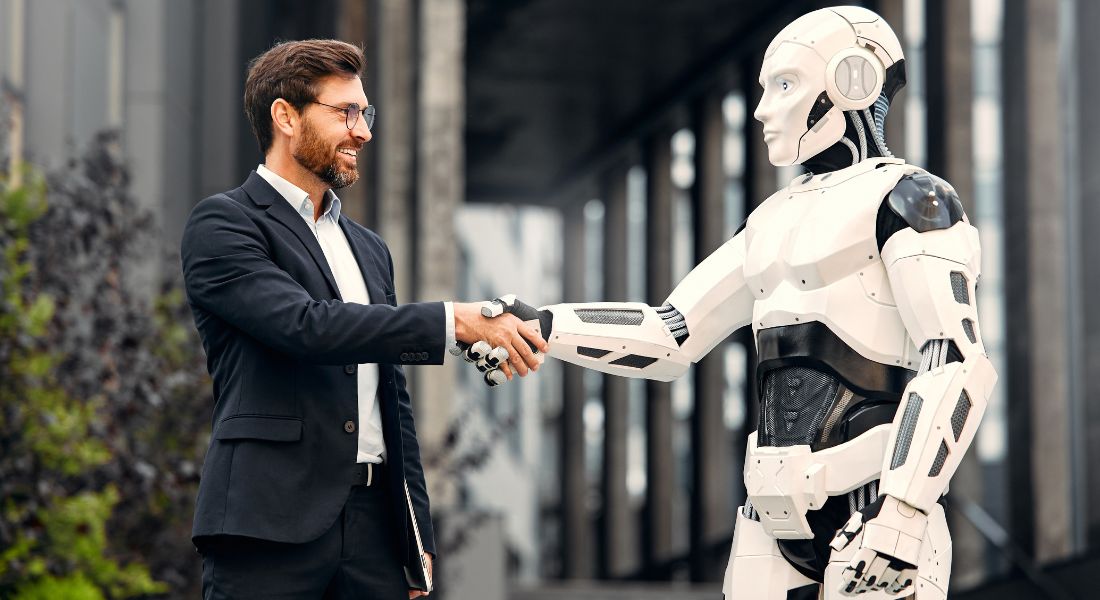
In today’s fast-paced digital landscape, where automation is transforming industries and attention spans are shrinking, brands are facing a new kind of decision: Should your next video feature an AI presenter or a real human being? It’s not just a question of tech it’s a question of brand identity, audience connection, and return on investment.
There’s no denying that video content continues to reign supreme across marketing channels. From social media campaigns to internal training and product explainers, video remains one of the most effective ways to communicate, engage, and convert. But as content demands grow and production timelines shrink, not all video presenters are created equal.
AI presenters have emerged as a compelling alternative, offering scalable, on-demand, and cost-effective options for brands under pressure to produce more with less. These digital avatars can deliver scripts flawlessly, speak multiple languages, and remain consistent across campaigns all without the logistical headaches of live shoots.
On the other hand, human presenters bring a warmth, spontaneity, and relatability that AI still struggles to replicate. Their ability to react authentically, convey nuanced emotion, and build trust with viewers can be invaluable especially in brand storytelling, thought leadership, or high-stakes messaging.
So, what’s the right fit for your brand? Is it the efficiency and versatility of AI, or the emotional depth and connection of a real human face? The answer depends on a range of factors, from your video’s purpose and audience expectations to your budget, timeline, and long-term goals.
In this article, we’ll break down the strengths and limitations of both AI and human presenters covering everything from costs and production needs to viewer engagement and brand perception so you can make the best decision for your next video project.
What Is an AI Presenter?

An AI presenter is a computer-generated avatar or virtual spokesperson powered by artificial intelligence and machine learning technologies. These digital presenters are designed to simulate human-like behaviour including speech, gestures, and facial expressions so they can effectively deliver scripted messages in a polished, professional manner.
Instead of hiring a human presenter and setting up an entire video shoot, brands can now simply input a script, select a presenter style (such as age, gender, tone, and even wardrobe), and generate a complete video all within a matter of minutes. The result? A fully-produced video featuring a life-like AI host, without the need for cameras, lighting, microphones, or location logistics.
Most AI presenters rely on advanced text-to-speech (TTS) systems, often enhanced with cloned voices or synthetic speech models that sound increasingly natural. Some platforms even allow users to upload a real voice sample or customise pronunciations, accents, and pacing. On the visual side, AI presenters can lip-sync to the audio, blink, smile, and mimic basic facial expressions, creating a more engaging and human-like experience.
These digital avatars are typically generated through AI video platforms that offer a range of pre-designed characters or allow for branded customisation. Whether it’s a corporate trainer, a product explainer, a virtual news anchor, or a customer support agent, AI presenters can be adapted for various use cases with speed and efficiency.
In essence, AI presenters are revolutionising the way video content is created making it faster, cheaper, and more scalable than traditional production methods. They’re particularly useful for businesses that need to produce frequent updates, multilingual content, or repetitive messaging, without investing heavily in on-screen talent or production crews.
Pros of AI Presenters
- Scalable Production
AI presenters allow you to produce a high volume of content quickly, whether it’s ten product explainers or a multilingual training series. Because the technology supports different languages, accents, and tones, it’s ideal for brands that operate across multiple regions or customer segments. You can maintain message consistency while adapting content for local markets all without hiring multiple teams. - Cost-Efficient
Traditional video production can get expensive fast think about hiring actors, renting studio space, paying for lighting, cameras, crew, and post-production editing. With AI presenters, most of those costs disappear. Once you’ve set up your script and selected your presenter, you can generate videos at a fraction of the cost, making it much easier to scale content creation without blowing your marketing budget. - Consistent Branding
One of the standout benefits of AI presenters is their reliability. You don’t have to worry about a presenter having a bad day, changing appearance, or delivering lines inconsistently. Every video maintains the same tone, look, and performance ideal for internal communications, training videos, onboarding sessions, and other brand-critical content. This kind of uniformity strengthens your brand identity across all platforms and teams. - Faster Turnaround
AI presenters drastically reduce production timelines. You can go from script to final video in just a few hours perfect for when you need to respond quickly to market changes, launch a time-sensitive campaign, or roll out new information to your audience. In industries where speed matters like tech, retail, or healthcare this flexibility can be a game-changer.
Cons of AI Presenters
- Limited Emotional Range
While AI has come a long way in simulating facial expressions and tone, it still falls short when it comes to true emotional nuance. Complex feelings like empathy, sarcasm, humour, or surprise are difficult for AI to convey convincingly. If your content relies on storytelling, dramatic tension, or emotional resonance such as in brand films, testimonials, or charity appeals a human presenter is likely to feel more authentic and impactful. - Less Relatable
One of the most common criticisms of AI presenters is that they can feel a bit robotic or unnatural, especially in emotionally sensitive or people-centric industries. Viewers often pick up on the slight lack of spontaneity or human warmth, which can reduce engagement and trust. This makes AI less suitable for brands in areas like mental health, wellness, coaching, or customer care, where connection and relatability are crucial. - Repetitive Visuals
Although AI avatars offer consistency, they can also become visually monotonous over time. Many platforms use a limited range of gestures and facial animations, which may start to look repetitive across multiple videos. This can cause viewer fatigue, especially in long-term campaigns or content series. To keep things visually fresh, brands may need to vary backgrounds, presenter styles, or editing techniques adding back some of the complexity that AI was meant to eliminate.
When Human Presenters Shine
Traditional human hosts bring something to the screen that AI still struggles to replicate: genuine emotion, spontaneity, and that natural, unpolished charm that makes a message feel real. While AI is excellent for efficiency and consistency, there are moments when only a human touch will do.
Here are some scenarios where choosing a real human presenter makes the most sense:
- High-Stakes Messaging
Whether it’s responding to a crisis, addressing sensitive social issues, or sharing a heartfelt brand story, emotional nuance is key. Human presenters can convey compassion, urgency, and vulnerability in a way that feels sincere and trustworthy. AI, no matter how advanced, can come across as flat or robotic in moments that require empathy and authenticity. - Brand Ambassadorship
For brands that are closely tied to a personality such as influencers, founders, or key opinion leaders a human face isn’t just beneficial; it’s essential. Viewers connect more easily with real people they can relate to, follow, and trust. In this case, the presenter is part of the brand story, and AI simply can’t fill that role. - Live Engagement
Livestreams, Q&A sessions, webinars, and panel discussions all require the ability to think on your feet. A human presenter can respond in real time, adapt to audience feedback, crack a joke, or recover from a technical hiccup naturally. AI, by contrast, is script-bound and not equipped for unscripted moments or live improvisation. - Creative Campaigns
Comedy skits, dramatic sequences, and highly creative branded content often rely on timing, voice modulation, body language, and improvisation areas where human performers still have a major edge. For these types of campaigns, where personality and flair are part of the storytelling, a human presenter brings much-needed originality and life to the performance.
In addition to these use cases, human presenters tend to inspire stronger trust a critical factor in industries like healthcare, finance, education, or personal development. When audiences need reassurance, guidance, or expertise, a real person with real-life experience can build confidence far more effectively than an AI avatar.
Cost Comparison (Explained in Prose)
When evaluating whether to use an AI presenter or a human presenter, cost is often one of the first considerations. But the cost equation goes beyond just the price tag it also includes production time, resource requirements, and how easily you can scale content output. Let’s break down what each option typically involves.
AI presenters are generally much more budget-friendly across the board. Most platforms charge a modest monthly or per-minute fee, with setup costs that range from low to medium depending on the level of customisation or voice cloning required. Once you’re up and running, the cost per video is extremely low especially compared to traditional production methods. You don’t need to hire talent, rent a studio, pay for camera crews, or worry about makeup and wardrobe. Simply upload a script, choose your presenter, and generate the video. The turnaround time is another major advantage: AI-generated videos can be ready within 1 to 2 hours, which makes them ideal for fast-moving industries, internal updates, or large-scale content needs.
Because of their speed, automation, and low cost, AI presenters offer high scalability. Businesses can easily create dozens or even hundreds of videos at a fraction of the cost and time it would take to use human talent. This makes AI a smart choice for global campaigns, training modules, FAQ explainers, or anything that requires localisation into multiple languages.
On the other hand, human presenters come with medium to high setup costs, depending on the scope of your project. Hiring professional talent, securing filming locations, managing crew logistics, and going through editing and post-production all contribute to a higher total expense. In terms of time, producing a polished video with a human host can take anywhere from 1 to 3 days, or even longer for complex shoots or remote talent coordination.
Scalability is more limited with human presenters, not just because of cost, but also because of scheduling constraints and performance variability. Producing videos across different languages or regions often requires multiple shoots or local presenters, which adds to both the cost and complexity. While it’s absolutely possible to scale with human talent, the process demands significantly more planning, resources, and budget flexibility.
In summary, if your primary goals are speed, affordability, and consistency, AI presenters are the clear winner. They’re particularly effective for structured, repeatable content where emotional nuance isn’t the main driver. However, if your video content needs to connect on a deeper emotional level, tell a rich story, or reflect a specific personality, human presenters still offer unique value that’s difficult to replicate with AI. The decision ultimately comes down to your content goals, budget, and brand priorities.
Brand Fit: What’s Right for You?
When choosing between an AI presenter and a human presenter, there’s no one-size-fits-all answer. The right choice ultimately depends on your brand’s voice, goals, and the type of content you’re producing. To make an informed decision, it helps to consider a few key questions:
- Is tone or trust more important to your message?
If your video content needs to build emotional trust, convey empathy, or deliver complex, tone-sensitive messages, human presenters generally come out on top. Their ability to express genuine emotion and respond to nuance creates a level of connection that AI despite its advances still struggles to match. - Do you need to produce content at scale, quickly and consistently?
If you’re rolling out global training modules, product tutorials, or multilingual customer service videos, AI is the clear winner. AI presenters make it easy to generate dozens of consistent, branded videos with minimal time and cost. For companies facing high content demands and tight turnarounds, this scalability is a major advantage. - Is budget a significant constraint?
AI offers a much more affordable solution for video production. If your budget doesn’t allow for on-screen talent, professional videographers, or lengthy editing cycles, AI can help you deliver professional-looking content without compromising on quality. - Are you aiming for warmth, relatability, or creative flair?
For campaigns that depend on emotional appeal, humour, or personal storytelling, human presenters are still the gold standard. They bring personality and spontaneity that make content more memorable and emotionally resonant something that can significantly boost engagement in marketing and brand communications.
That said, this doesn’t have to be an either-or decision.
In fact, many brands find success by combining both approaches. For example, you might use AI presenters for routine content like onboarding, internal training, or product FAQs where consistency and speed are key. Meanwhile, you can reserve human presenters for emotionally-driven content, brand storytelling, or campaigns where human connection plays a pivotal role.
By strategically blending AI and human presenters, you can strike the perfect balance between efficiency and authenticity ensuring your brand shows up in the right voice, at the right time, for the right audience.
Future Trends: AI + Human Hybrids

As video technology continues to evolve, we’re seeing a growing shift toward hybrid models that combine the strengths of both AI and human presenters. Rather than choosing one over the other, many forward-thinking brands are starting to blend the two strategically using AI to extend the reach of human personalities without sacrificing authenticity or trust.
One emerging trend is the use of AI-generated clones of real people, such as CEOs, spokespeople, or brand ambassadors. Imagine a company leader recording a short video once, and then having their digital avatar deliver personalised versions of that message in multiple languages or regional variations. This allows brands to scale personal communication globally keeping messaging consistent, yet tailored to each audience. Meanwhile, the human version of that leader can still appear in key announcements, live sessions, or emotionally-driven content that requires their actual presence.
This kind of hybrid approach enables brands to maximise efficiency without compromising human connection. It’s especially useful for global organisations that need to communicate frequently across time zones and languages, or brands that want to preserve a personal touch while meeting growing content demands.
We’re also seeing major advances in AI voice technology and avatar design. Today’s synthetic voices are becoming increasingly expressive, capable of conveying tone, pace, and even subtle emotional shifts that make them sound more natural. Likewise, avatars are becoming more lifelike, diverse, and adaptable allowing brands to better represent their values and audiences on screen.
As these technologies improve, the line between human and AI presenters will continue to blur. Brands that embrace this hybrid model early stand to benefit from both the cost savings of AI and the emotional impact of real human storytelling.
In the near future, it won’t be a question of AI vs human but how best to combine the two to serve your brand’s content strategy.
Final Thought: Blending AI and Human Talent Smartly
AI and human presenters each have their place and they don’t have to compete. The smartest brands are now blending both. Reach out to our AI presenter company to elevate your video content with scalable, high-quality solutions. Whether you want scalability or personality, we’ll help you find the right fit.
