


Creating professional video content has traditionally been a complex, time-intensive process involving many moving parts. From concept development and scripting to filming, editing, and final delivery, each stage demanded specialised skills, tight coordination, and often a substantial budget. Whether you were producing a corporate explainer, a brand commercial, or a social media clip, the journey from idea to finished product could take days or even weeks. But that’s changing fast.
Artificial intelligence (AI) is ushering in a new era of video production. No longer just a futuristic buzzword, AI has become an active participant in the creative process. Today, AI-powered tools are streamlining nearly every stage of production, helping teams work smarter, faster, and more affordably. What used to take a full team of specialists can now, in many cases, be achieved by a small team or even a solo creator thanks to intelligent automation.
Whether you’re drafting scripts using AI-driven writing assistants, generating storyboards with the help of visualisation tools, organising shoots through automated scheduling software, or editing footage using smart video editors, AI is making the entire process more efficient. It’s not just about saving time, either AI helps improve creative consistency, reduces repetitive tasks, and allows more room for innovation by taking over the heavy lifting.
From idea to execution, AI is proving to be a powerful creative partner. In this article, we’ll break down each key stage of video production and explore how AI is transforming the process. You’ll see how these tools are being used in real-world scenarios and why embracing AI could be the smartest move your video team makes this year.
Scriptwriting: Instant Ideas and Drafts

AI-powered writing tools like ChatGPT, Jasper, and Copy.ai are revolutionising the way video scripts are created. Traditionally, scriptwriting could be a time-consuming and mentally exhausting process especially when starting from scratch. Writers often faced creative blocks or spent hours developing a structure and tone that aligned with the brand’s voice. But now, with AI stepping in as a creative assistant, that pressure is greatly reduced.
These tools can generate first drafts in minutes based on just a few keywords or a simple brief. Whether you need a 30-second product explainer, a YouTube video intro, or a full-length brand film, AI can produce usable content almost instantly. This enables marketers and producers to quickly test out different approaches and see what sticks.
Even better, AI tools aren’t limited to just one tone. Want something witty? Formal? Dramatic? These platforms can rewrite existing sections in multiple tones or styles to suit different platforms or audiences. For example, a script written for Instagram Reels might need a snappier, more energetic voice, while a corporate LinkedIn video might call for a more polished, informative tone.
And because these tools can tailor output to suit different channels like YouTube, Instagram, or TikTok they help teams optimise content for maximum engagement. This flexibility is especially valuable for fast-paced marketing environments where agility matters.
Ultimately, AI tools help eliminate the fear of the blank page, speed up the brainstorming process, and give creative teams a strong foundation to work from. Instead of spending hours coming up with the first draft, they can focus their energy on refining, editing, and elevating the message.
Shot Planning and Storyboarding
AI is not just transforming the scriptwriting process it’s also bringing major efficiencies to pre-production, especially when it comes to shot planning and storyboarding. Traditionally, creating storyboards required either a designer or storyboard artist to manually illustrate frames based on the script. This could take hours or even days depending on the complexity of the video. But with AI-driven tools like Boords, Runway, and others, teams can now generate visual plans from simple text prompts in a matter of minutes.
These intelligent tools can convert script lines or scene descriptions into detailed visual frames almost instantly. For example, you can input a sentence like “a woman opens a box in a sunlit kitchen” and receive a storyboard frame that captures the mood, setting, and action with surprising accuracy. This drastically shortens the time needed to get from script to visual concept.
Many AI platforms also let you go beyond static images. You can create basic draft animations or video previews, allowing stakeholders to experience a rough version of the final video early in the process. This is incredibly helpful for internal presentations or client approvals giving everyone a clearer sense of direction before cameras start rolling.
Moreover, these tools come with user-friendly, drag-and-drop interfaces that make it easy to reorder shots, swap out images, or tweak scene details on the fly. No need for complex software or hours of reworking just simple, intuitive adjustments that keep projects moving forward.
The result? Faster approvals, fewer misunderstandings, and smoother collaboration. By letting teams visualise the story early and iterate quickly, AI-powered planning tools help ensure everyone’s on the same page from the very beginning.
Casting and Voiceovers
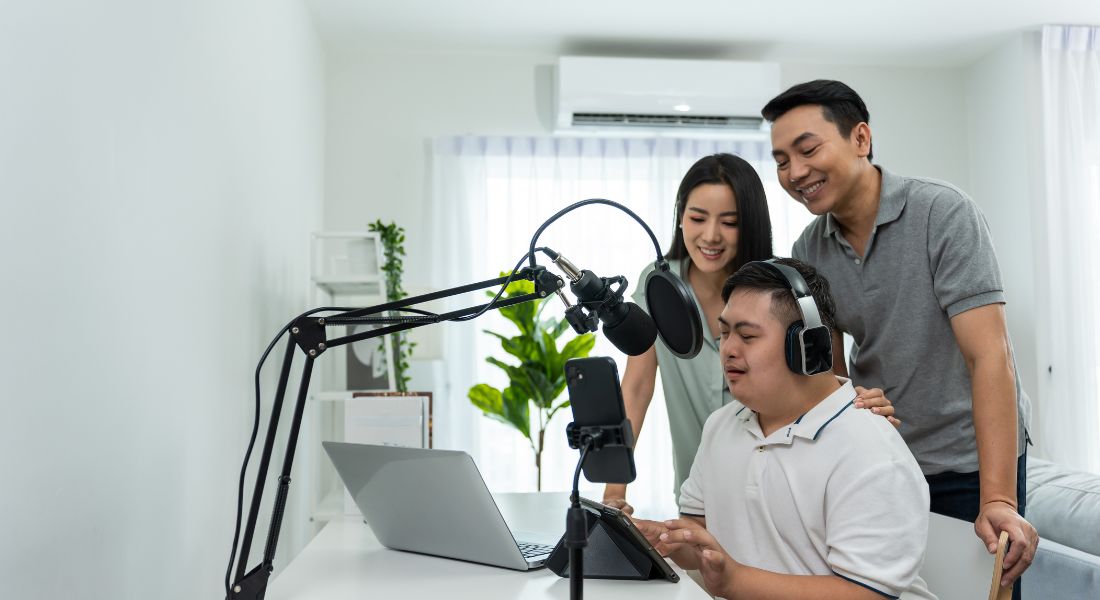
AI is shaking up the casting and voiceover process in a big way, offering creators more flexibility, speed, and affordability than ever before. Platforms like ElevenLabs, Murf.ai, and Play.ht use advanced text-to-speech technology to generate highly realistic human voices in a wide range of languages, accents, and emotional tones.
In the past, finding the right voice meant auditioning talent, booking studio time, and potentially going through several rounds of retakes. That process could take days and cost a significant portion of your production budget. Now, with AI voice generators, you can instantly test out different voice styles from warm and friendly to authoritative and serious just by pasting in your script.
This is incredibly helpful during the early stages of production. You can plug in temporary voiceovers for internal reviews, client feedback, or early edits, without waiting on human talent. And in many cases, the quality of AI voices is now good enough to be used in the final version of your video, especially for projects like product demos, explainer videos, training modules, or eLearning content, where clarity and speed matter more than celebrity appeal.
AI voice tools also make it far easier to localise your content for global audiences. Want your video in French, Spanish, Hindi, or Japanese? These platforms can generate multilingual voiceovers in just a few clicks, helping you reach broader markets without hiring separate voice artists for each language.
Another advantage is consistency. Unlike human actors, AI voices don’t get tired or vary between sessions. This makes them ideal for projects that require updates or additional modules over time, such as training courses or customer support videos.
In short, AI voice generation not only saves time and money, but it also expands your creative possibilities making professional-quality narration accessible to teams of all sizes.
Editing and Post-Production

Editing has long been one of the most time-consuming and resource-intensive parts of video production. But thanks to AI, that’s rapidly changing. Tools like Descript, Wisecut, and Adobe’s Sensei-powered features are now streamlining post-production, making it faster, smarter, and far more accessible even for small teams or solo creators.
One of the biggest time-savers is AI-powered auto-editing. Platforms like Descript can transcribe your entire video and let you edit it like a text document cutting out “ums,” “ahs,” silences, and filler words with a few clicks. This dramatically reduces manual timeline work and helps polish spoken content in minutes.
Need subtitles or captions? AI can now generate accurate captions automatically, supporting multiple languages and allowing you to meet accessibility standards effortlessly. These captions can be easily styled to match your brand and exported for different platforms from YouTube to Instagram Reels.
AI also brings intelligence to visual decisions. Smart scene detection algorithms can analyse your raw footage and recommend the most engaging or emotionally impactful clips. This is especially helpful when you’re working with long interviews, event recordings, or B-roll footage and need to pull out highlights fast.
But it doesn’t stop there. Post-production tasks that once required advanced technical skill like colour grading, background noise removal, and aspect ratio resizing can now be semi- or fully automated. For example, Adobe Premiere Pro’s Sensei can suggest colour correction settings based on mood, while Wisecut uses AI to smooth out audio levels and remove background hum.
Even resizing for different platforms a task that once took hours of reformatting can be handled in minutes. You can automatically convert a landscape video into a square format for Instagram or a vertical one for TikTok, with AI ensuring key elements stay centred and visually coherent.
The end result? A faster, smoother editing workflow that frees up creatives to focus on storytelling, design, and strategy rather than technical drudgery. With AI in your toolkit, post-production no longer has to be a bottleneck it becomes a creative accelerator.
Personalisation and Versioning
In today’s digital marketing landscape, one-size-fits-all content rarely delivers the best results. Audiences expect relevance and AI is making it easier than ever to meet those expectations through personalised video content. What used to be a time-consuming, manual process can now be handled in minutes, thanks to AI tools built specifically for video versioning and customisation.
Modern platforms allow you to automatically swap out key elements in your video, such as names, locations, product references, or calls to action (CTAs), to match specific viewer profiles. For example, you could create one version of a sales video that addresses “Sarah in Manchester” and another for “Raj in Mumbai” without re-recording anything. The AI handles the adjustments, seamlessly blending them into the original footage.
This kind of dynamic personalisation is incredibly powerful for video ads, onboarding messages, product demos, and even customer service content. Tools can integrate with your CRM or website analytics to generate video content that aligns with viewer behaviour, demographics, or stage in the sales funnel. Imagine someone visiting your pricing page and later receiving a personalised video that speaks directly to their industry and pain points that’s AI-driven versioning at work.
Language, visuals, and even tone can also be tailored for different regions or audience segments. Need one version of a promo video for English-speaking users and another for Spanish speakers? AI can handle the voiceovers, captions, and visual tweaks automatically, helping you scale global campaigns effortlessly.
What’s more, this can all happen at speed. Instead of spending days editing multiple versions manually, AI tools can batch-generate dozens or even hundreds of variations each targeted, relevant, and ready to publish. It’s a game-changer for marketers who want to maximise impact without ballooning costs or timelines.
In short, AI is turning personalisation from a luxury into a standard practice giving brands the power to connect with different audiences in more meaningful, effective ways.
Delivery and Analytics
Publishing your video might feel like the finish line but in today’s data-driven world, it’s really just the beginning. AI continues to play a vital role even after your video goes live, helping teams monitor performance, refine strategy, and maximise impact. Tools like Vidyard, Wistia, and YouTube Studio are now packed with intelligent features that turn raw viewing data into powerful insights.
One of the biggest advantages of AI in this stage is its ability to track and analyse viewer engagement in real time. You can see exactly where audiences drop off, which parts they rewatch, and how long they stick around. This kind of granular data helps you identify weak spots in your content maybe your intro is too long, or a mid-point loses momentum and use those insights to create stronger videos next time.
AI can also suggest better-performing thumbnails, titles, and tags, based on what’s worked for similar content. This is more than just guesswork it’s backed by pattern recognition across thousands of videos, helping you optimise your content for higher click-through rates and longer watch times. A compelling thumbnail or headline can often mean the difference between being watched or ignored, especially on crowded platforms like YouTube or LinkedIn.
Publishing strategy is another area where AI excels. These tools can recommend the best times and days to release your video, based on when your audience is most active and engaged. Whether you’re posting weekly tutorials, marketing campaigns, or internal updates, AI ensures your content reaches people when they’re most likely to interact with it.
And perhaps most importantly, these insights don’t just live in a dashboard they feed directly into your next round of content production. By understanding what works and what doesn’t, your creative decisions become smarter over time. AI turns performance data into a feedback loop, helping you constantly improve your storytelling, pacing, visuals, and even distribution strategy.
So while the editing suite may go quiet after delivery, AI continues working behind the scenes guiding future content, refining targeting, and ensuring each new video performs better than the last.
FAQs
1. How is AI used in video scriptwriting?
AI tools like ChatGPT, Jasper, and Copy.ai can quickly generate script drafts, rewrite content in different tones, and optimise messaging for various platforms. This speeds up the ideation process and allows creators to focus on polishing rather than starting from scratch.
2. Can AI really replace human editors in post-production?
Not entirely. While AI can handle repetitive tasks like cutting silences, generating subtitles, or suggesting clips, human editors are still essential for creative decisions, storytelling, and final quality control.
3. What are the benefits of AI-generated voiceovers?
AI voiceovers save time and costs by allowing teams to test different tones or languages without hiring voice talent. They’re especially useful for explainer videos, training modules, and rapid content localisation.
4. How does AI help with video personalisation?
AI can automatically create different video versions for various audiences changing names, CTAs, or visuals based on viewer data. This makes it easier to run targeted campaigns without manual re-editing.
5. Are AI-powered analytics tools worth using for video performance?
Yes. AI-based platforms like Vidyard and YouTube Studio can analyse viewer behaviour, identify engagement drop-off points, and recommend the best posting strategies helping you improve future videos based on real data.
Final Thoughts: Smarter, Faster, More Creative with AI
AI is not replacing video creators it’s empowering them to move faster, make smarter decisions, and focus more on creativity. From script to screen, every part of the video production process can now be streamlined with AI. Get in touch with our video production company to elevate your content using a powerful mix of creative talent and the latest AI-driven tools.
