

In today’s fast-paced and ever-evolving digital landscape, video content has become one of the most powerful tools for brand storytelling, engagement, and conversion. As demand for high-quality video continues to grow, so does the need for efficient and effective editing solutions. This has led to a growing debate in the creative industry: Are AI video editors advanced enough to replace human editors, or is a hybrid model the smarter choice for brands looking to stand out?
Artificial intelligence has come a long way in recent years. Modern AI-powered video editing tools can now automate many time-consuming tasks that once required hours of manual effort cutting footage, colour grading, sound balancing, subtitle generation, and even selecting clips based on emotion or context. These tools are fast, scalable, and constantly improving. For brands operating on tight deadlines or limited budgets, AI offers an attractive solution.
But while AI can save time and costs, the question remains: Can it replicate the human touch? Creativity, emotional storytelling, brand nuance, and audience empathy are qualities that machines still struggle to master. Human editors bring years of experience, creative intuition, and a deep understanding of narrative flow that can turn a basic edit into a compelling visual journey.
In this article, we’ll take a deeper look at the key differences between AI video editors and human editors. We’ll explore the strengths, limitations, and ideal use cases for each, and offer guidance on how to choose the right editing solution for your brand based on your goals, project type, and budget. Whether you’re a marketer looking to scale content or a creative team exploring new tools, understanding the pros and cons of both approaches is essential for making the right decision.
Where AI Shines in Video Editing
AI-powered video editors have carved out a strong place in the production pipeline, especially in situations where speed, scale, and automation are critical. Let’s break down the key areas where AI tools outperform or at least complement human editors.
1. Speed and Efficiency
One of the biggest advantages of AI video editors is their ability to complete repetitive tasks quickly and with minimal input. Traditional editing workflows like reviewing long hours of raw footage, syncing dialogue with visuals, or organising files can be extremely time-consuming for human editors. In contrast, AI tools are designed to perform these tasks in minutes, often in real time.
AI thrives on rules and patterns, which means it’s perfectly suited to high-volume or deadline-driven content. It can trim clips, find pauses or filler words, detect scene changes, and apply predefined templates without needing a coffee break or revision round.
Example:
Tools like Descript use AI to transcribe audio instantly and let you edit video just by editing the text, like a Word document. Similarly, Runway offers features such as auto-cutting silences, object removal, and instant background changes, making post-production dramatically faster.
If you’re producing a large series of videos or working with tight turnaround times, AI can be the edge that keeps you on schedule without burning out your team.
2. Cost-Effectiveness
Hiring a professional human video editor, particularly one with experience and creative skill, often comes at a premium. For brands just starting out, or for individual content creators, that cost can be a barrier. AI tools offer a lower-cost alternative with much of the functionality needed to get content production off the ground.
Most AI editing platforms operate on monthly or annual subscription models, allowing you to access powerful editing capabilities without the ongoing expense of salaries or freelance rates. These tools are also constantly updated with new features, so you benefit from innovation without paying extra.
Example:
Platforms like Pika and Sora offer AI-driven editing features such as automatic captioning, clip generation, and motion tracking. Their plans are often scalable whether you’re producing 5 videos a month or 50 making them a predictable and manageable cost for businesses of any size.
For brands looking to produce regular video content on a budget, AI editing tools can significantly reduce the cost-per-video while still delivering a polished end product.
3. Consistency and Automation
When you need to maintain a uniform look and feel across dozens or even hundreds of videos, AI editors become incredibly valuable. Humans may unintentionally introduce small inconsistencies over time, especially in projects with tight deadlines. AI, on the other hand, applies styles, effects, transitions, and branding elements exactly the same way every single time.
This is ideal for social media content, tutorials, product demos, or digital ads, where brand guidelines need to be strictly followed and quickly executed.
Example:
Many AI editing tools now allow you to save brand templates incorporating your company’s fonts, colour schemes, intro/outro animations, and music. Once set up, the AI can apply these templates across your entire content library. This reduces manual input while ensuring that your videos stay on-brand no matter how many you produce.
Automated tagging, versioning, and archiving features also mean your content stays organised and easy to repurpose. The result? A professional, unified look that builds trust with your audience and strengthens brand recognition over time.
Where Human Editors Excel
While AI video editors offer impressive speed and automation, they’re not without limitations. Video editing is more than just cutting footage it’s about crafting a story, making emotional connections, and responding to human nuance. This is where skilled human editors consistently outshine their AI counterparts. Let’s explore the key areas where human editors bring irreplaceable value to the table.
1. Creativity and Artistic Vision
At the heart of compelling video content is storytelling and that’s a deeply human skill. Human editors bring creative judgment, emotional intelligence, and cultural awareness to their work. They understand pacing, rhythm, and tone in a way that goes beyond algorithmic processing. More importantly, they can intuitively align the edit with a brand’s identity, audience expectations, and narrative goals.
While AI can replicate patterns and follow rules, it lacks the ability to generate original creative ideas or assess subjective elements like mood, irony, or humour. Human editors can decide when to hold a shot longer for emotional impact, when to cut for comedic timing, and how to craft a narrative arc that resonates.
Example:
A skilled editor might weave together interviews, B-roll, music, and voiceover in a way that transforms a routine corporate video into a powerful brand story. They can make subtle but effective editorial choices that evoke empathy, build suspense, or spark inspiration things that even the most advanced AI tools still struggle to grasp.
2. Complexity and Nuance
For projects that go beyond simple cuts and transitions, human editors are essential. Complex edits often involve multi-layered audio tracks, intricate motion graphics, custom animations, and detailed colour grading. These tasks require technical skill, artistic judgment, and hands-on control areas where AI tools can’t yet operate at a professional level.
In brand-sensitive content, even small visual choices like the intensity of a colour grade or the pacing of a transition can make a big difference in how the message is received. Human editors are better equipped to manage these details and tailor the output to meet exact specifications.
Example:
In a high-end commercial or promotional video, a human editor might manually adjust exposure levels for different scenes, fine-tune audio peaks, or blend visual effects frame by frame. These tasks require not just software knowledge but also a trained eye and ear something that can’t yet be automated with confidence.
Additionally, human editors can collaborate with directors, producers, or marketing teams in real-time, incorporating feedback and offering creative solutions on the fly.
3. Adaptability
Video editing often involves a degree of unpredictability client revisions, shifting deadlines, or changes in narrative direction. While AI tools are efficient at following pre-set commands, they can be rigid when it comes to adapting mid-project. Human editors, on the other hand, bring a level of flexibility and problem-solving that’s difficult to replicate through automation.
A human editor can quickly interpret vague feedback (“Can we make it feel more dynamic?”), assess what’s wrong with a shot, and test different approaches until the video aligns with the vision. They can also spot issues such as an awkward jump cut, inconsistent lighting, or jarring music choice and fix them before they become client concerns.
Example:
Imagine a scenario where a client decides last minute to add new footage and shift the emotional tone of a brand video. A human editor can review the new material, restructure the story arc, and seamlessly integrate the new content all while ensuring the final product still aligns with the brand’s messaging. AI, in contrast, would likely need reprogramming or manual oversight to accommodate such changes.
When to Choose AI Video Editors
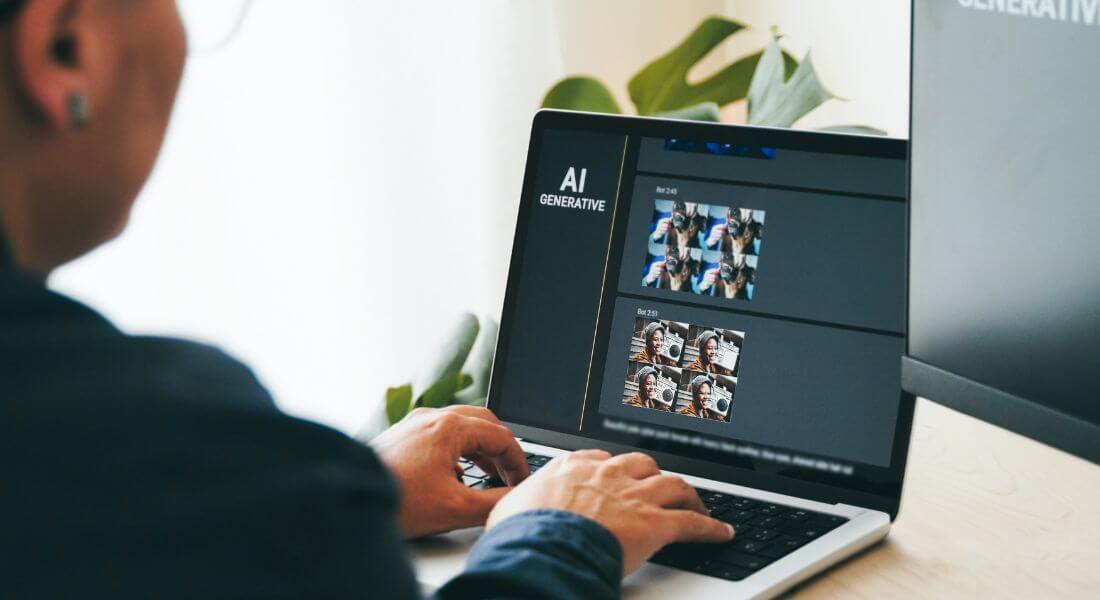
AI video editors can be a game-changer especially when speed, volume, and efficiency matter more than intricate storytelling or complex visuals. While they might not replace a skilled human editor in every scenario, they are incredibly effective for certain types of projects and teams.
Let’s explore when it makes the most sense to rely on AI-powered editing tools.
1. Fast-turnaround projects that need quick editing
When you’re working against the clock whether for breaking news, real-time social media campaigns, or last-minute marketing pushes AI video editors can deliver results in minutes. They automate tasks that would normally take hours, allowing you to meet tight deadlines without compromising too much on quality.
2. Simple edits, such as trimming, cropping, or adding subtitles
If your video content requires only basic adjustments like cutting clips, resizing, adding transitions, or generating subtitles, AI editors can handle these with ease. These tools often come with pre-set templates and smart automation that eliminate the need for manual input, making the process incredibly fast and user-friendly.
3. High-volume content where consistency is key
AI tools excel when you’re creating large batches of videos with similar formatting or branding. For example, companies producing dozens of social media ads, product demos, or testimonial videos each week can use AI editors to ensure consistency in fonts, colours, transitions, and overall style without having to manually replicate settings for each video.
4. Tight budgets where hiring a full editing team is not feasible
Professional video editing can be expensive, especially if you’re outsourcing to agencies or freelancers. For smaller businesses, startups, or solo creators, AI editors offer a cost-effective alternative. Most operate on a subscription or pay-per-use basis, which allows you to manage costs while still producing polished video content.
Ideal For:
- Small businesses or content creators with limited budgets and no access to in-house video teams
- Marketing teams that need to regularly produce branded video content in bulk
- Social media managers who require quick, platform-specific edits across different channels
- Startups and tech companies focused on streamlining workflows and adopting automation across departments
When to Choose Human Editors

While AI video editors offer speed and efficiency, there are certain projects where only the human touch will do. Human editors bring creativity, emotional intelligence, and nuanced decision-making to the editing process qualities that machines still struggle to replicate. Here’s when choosing a human editor makes the most sense:
1. Creative projects requiring storytelling, nuance, and vision
Human editors are uniquely equipped to interpret a creative brief and translate it into a compelling narrative. Whether you’re working on a branded documentary, a cinematic promo, or a narrative-driven explainer, a skilled editor can craft scenes that resonate with your audience. They can adjust tone, pacing, and rhythm in subtle ways that enhance emotional impact something AI can’t yet do intuitively.
2. Complex video production that requires advanced techniques and custom work
Projects involving intricate visual effects, detailed colour grading, multi-camera syncing, or motion graphics are best handled by professionals with technical expertise. Human editors can problem-solve in real time, working closely with directors, animators, and sound designers to achieve a polished final product. This level of craftsmanship goes beyond the limitations of most AI editing platforms.
3. Collaborative editing where feedback and real-time adjustments are needed
When your project requires regular input from clients, stakeholders, or creative teams, a human editor is essential. They can interpret feedback accurately, make nuanced revisions, and adjust creative direction on the fly. This flexibility makes them invaluable for collaborative environments where revisions are expected and creative alignment is key.
Hybrid Approach: The Best of Both Worlds
In today’s fast-paced digital landscape, many brands are discovering that the smartest choice isn’t choosing between AI or human editors it’s combining both. A hybrid approach allows you to leverage the speed and efficiency of AI for repetitive or time-consuming tasks, while reserving the creative and strategic decisions for human editors.
This dual strategy not only streamlines production but also maintains high-quality storytelling. You get the best of both worlds: automation where it makes sense, and human insight where it matters most.
AI handles the groundwork
Tasks like trimming raw footage, applying preset transitions, synchronising audio, auto-generating subtitles, and even sorting through hours of clips for usable moments can be automated. This drastically reduces the time and labour needed in the initial stages of editing.
Humans add the creative finesse
Once the foundation is laid, human editors can step in to shape the story. They refine the pacing, build emotional beats, select the best takes, and add artistic flourishes elements that AI tools currently lack the intuition to execute well. Human editors can also interpret brand tone, incorporate nuanced feedback, and make value-based decisions that elevate the final cut.
Example Workflow
Let’s say you’re producing a series of customer testimonial videos:
- AI Stage: An AI tool trims the interviews, removes awkward pauses, syncs sound, adds branding, and inserts basic lower thirds.
- Human Stage: A human editor reviews the structure, adds compelling cutaways (b-roll), enhances the emotional tone with music and colour grading, and ensures the final video aligns with the brand’s message.
This hybrid method speeds up production without sacrificing quality especially useful for businesses producing content at scale but still aiming for a professional finish.
Final Thought: Striking the Right Balance for Your Video Project
Deciding between AI vs human video editors depends on your project’s complexity, budget, and timeline. If speed and efficiency are key, AI video editing tools are a great choice. However, if your project requires a high level of creativity and storytelling, a human editor is irreplaceable.
You can contact our video production company in London to take your video content to the next level. Whether you’re looking for AI-powered editing tools or human expertise, we can help you find the best approach for your brand and goals.
