
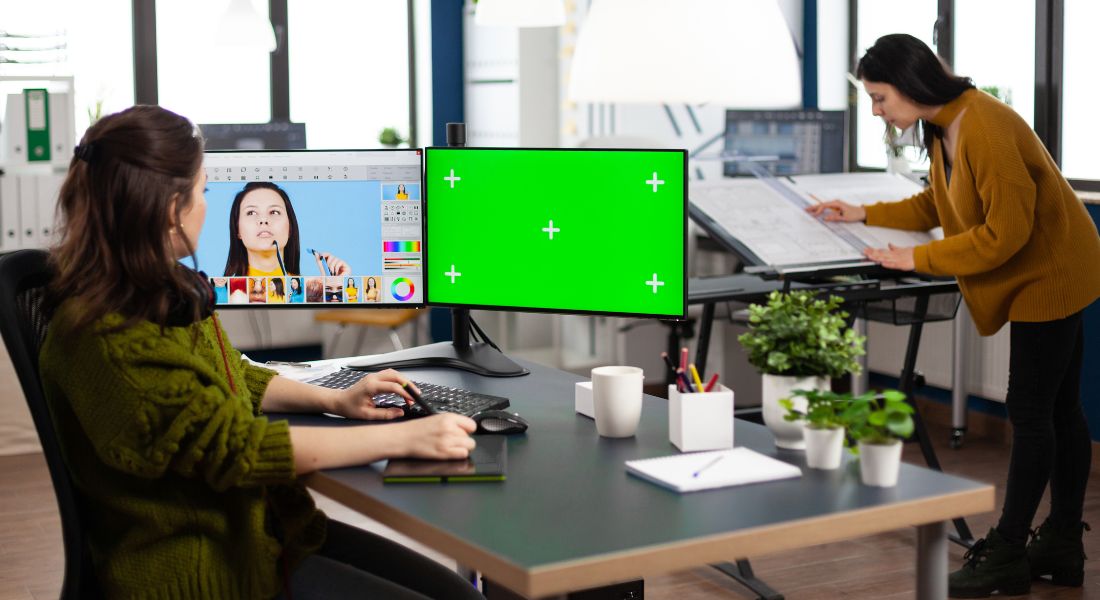
Creating immersive, visually rich animated backgrounds is a vital element in any animation project. These backgrounds set the tone, convey mood, and provide essential context for your characters and scenes. However, designing them is often one of the most time-consuming and labour-intensive parts of the animation process. From painting intricate textures and landscapes to rendering complex environments with accurate lighting and perspective, the amount of effort required can be overwhelming especially when you’re on a tight deadline.
Fortunately, AI agents are transforming the animation landscape by significantly streamlining the background creation process. These intelligent tools use machine learning and generative algorithms to assist with everything from landscape generation and object placement to texture creation and lighting simulation. By automating many of the tedious and repetitive tasks traditionally involved in background design, AI allows you to focus more on storytelling, character animation, and creative direction.
Whether you’re working on a short animated film, a game environment, or a commercial project, AI-powered tools can help you generate dynamic, high-quality backgrounds in a fraction of the time. You can easily create stylised backdrops, photorealistic landscapes, or abstract environments that enhance the aesthetic of your project without compromising on visual fidelity.
In this guide, we’ll walk you through how to use AI to generate animated backgrounds. You’ll learn what tools to use, how they work, and best practices for integrating AI-generated visuals into your animation pipeline. Whether you’re an experienced animator or just starting out, this approach can dramatically speed up your workflow while maintaining the creative control and artistic quality that every animation deserves.
Why Use AI to Create Animated Backgrounds?
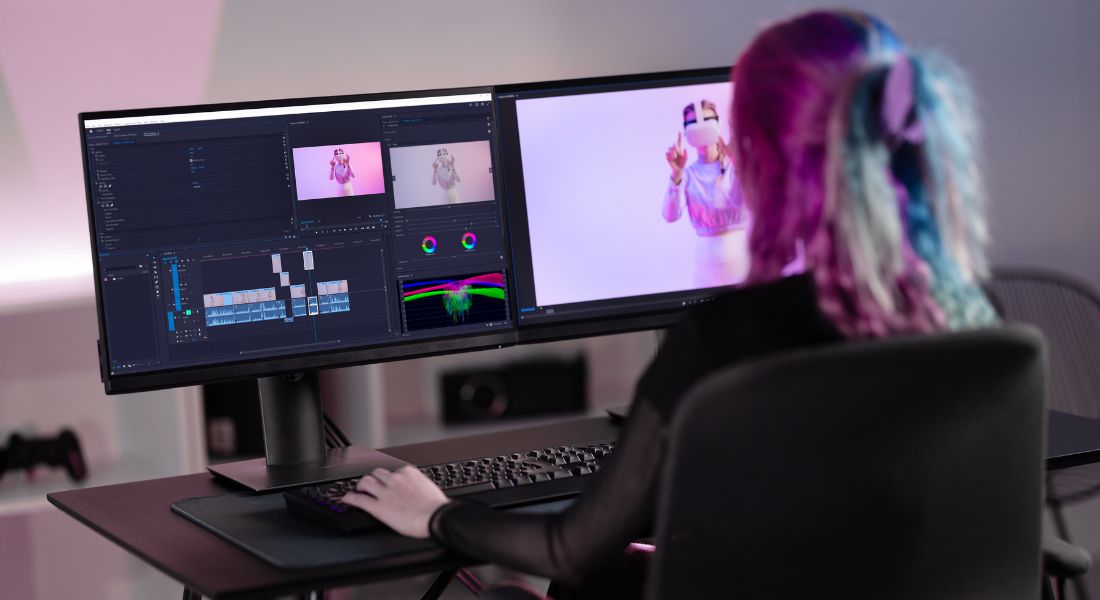
In the world of animation, backgrounds play a crucial role in setting the scene, establishing mood, and supporting storytelling. But crafting these backgrounds manually is often slow, laborious, and requires highly specialised skills. That’s where AI-powered solutions come in. By leveraging the latest in generative technology, AI tools offer a smarter, faster, and often more inspiring way to create professional-looking animated environments.
1. Speeding Up the Design Process
Traditionally, background creation in animation has been one of the most time-intensive tasks. Artists would need to sketch, illustrate, and digitally paint every element by hand from the texture of the sky to the smallest details in a forest or cityscape. This process could take hours or even days for just one scene, especially if the background needed to be animated or highly detailed.
AI agents dramatically reduce the time spent on this phase. By using machine learning models trained on thousands of visual styles and elements, AI can generate full environments or backdrop layers within minutes. Whether you’re creating a serene mountain view, a bustling urban skyline, or a fantasy landscape, these tools help you produce visually rich scenes quickly freeing up your time for other creative tasks like character animation or editing.
2. Creativity Boost
AI isn’t just a tool for efficiency it can also be a powerful creative partner. Many AI art generators are capable of producing imaginative and unexpected visuals based on your input. You might enter a prompt like “sunset over a cyberpunk city” and receive multiple unique interpretations, each with a distinct colour palette, lighting style, and mood.
This ability to experiment with different styles, compositions, and themes helps animators think outside the box. It can inspire new directions in your story or aesthetic choices that you may not have considered otherwise. You’re not just replicating a visual idea you’re expanding on it, exploring dozens of variations at the click of a button.
3. Consistency and Quality
One of the challenges in animation is maintaining visual consistency across a project, especially when it involves multiple scenes or episodes. Manually reproducing the same level of detail, lighting, and texture in each background is not only exhausting it can also introduce noticeable inconsistencies that distract from the viewer’s experience.
AI tools help solve this problem by ensuring that generated backgrounds follow a consistent visual language. Many tools let you train custom models or define specific parameters like lighting conditions, brush strokes, or architectural features that apply across every generated scene. This helps ensure that all backgrounds feel like they belong to the same world, maintaining a high level of quality and coherence from start to finish.
4. Customisation and Control
While AI automates the heavy lifting, it doesn’t take away your creative authority. On the contrary, most advanced AI background generators allow for high levels of customisation. You can define everything from the camera angle and mood to specific environmental features like trees, water, or futuristic buildings.
Need to match a particular colour scheme? Want to evoke a certain emotion or historical era? AI tools let you input highly specific prompts or upload reference images, giving you full control over the output. And if the first result isn’t quite right, you can refine it through iterations, tweaking the inputs until the background perfectly fits your scene.
How to Generate Animated Backgrounds Using AI
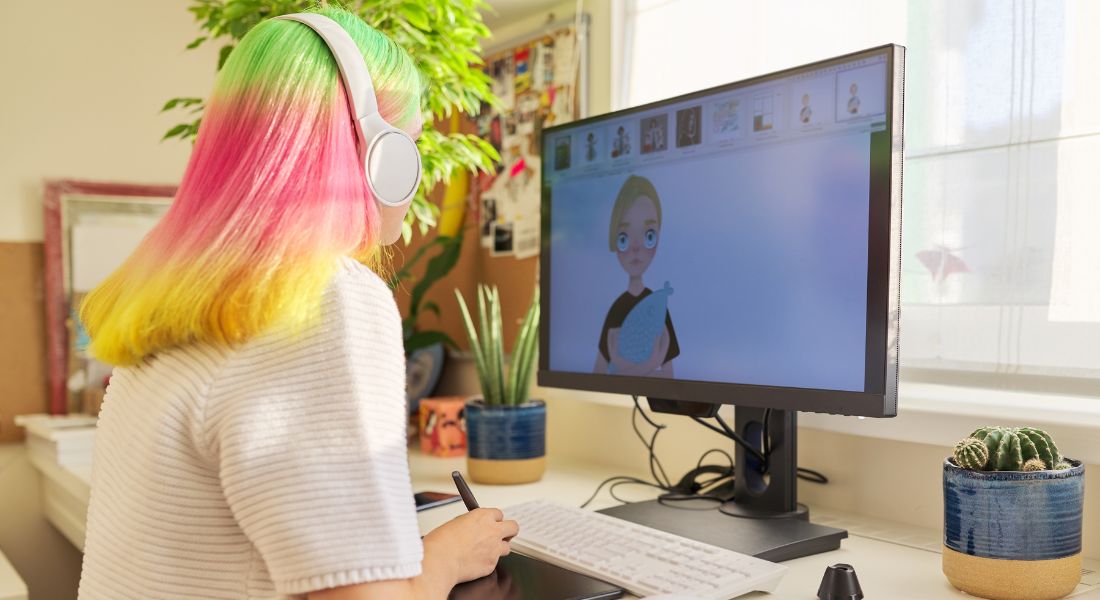
1. Define the Style and Mood of Your Animation
Before diving into generating backgrounds, it’s essential to first define the style and mood of your animation. This step helps guide the AI in producing visuals that truly match your creative goals. Think about what kind of atmosphere you want to create. Are you imagining a realistic cityscape with bustling streets, a fantastical landscape filled with magical elements, or a sleek, futuristic environment full of technology and neon lights?
The more specific and descriptive you can be with your vision, the better the AI will be able to generate backgrounds that align with your expectations. Giving the AI clear direction allows it to produce more accurate and visually appealing results.
How It Works:
To help the AI generate backgrounds that fit your needs, be sure to include key details such as:
- The colour palette you’re aiming for (e.g., warm earth tones, neon brights, muted greys, or pastels).
- The lighting style you want (e.g., soft and dreamy, high contrast, cinematic, or natural daylight).
- The overall atmosphere or feeling (e.g., cosy and inviting, dark and moody, cheerful and vibrant, or mysterious and futuristic).
- The type of environment (e.g., urban city, natural forest, underwater world, outer space, or a fantasy realm).
Example Prompt:
“Generate a futuristic cityscape with neon lights, dark shadows, and flying cars. The mood should be a little eerie, with glowing blue and purple hues.”
This prompt gives the AI a strong sense of visual tone, setting, and atmosphere, increasing the chances of getting the perfect animated background on the first try.
2. Input the Setting and Scene Requirements
Once you’ve defined the overall style and mood of your animation, the next step is to input the specific setting and scene requirements. This is where you tell the AI exactly what elements need to be included in the background. The more detailed and deliberate you are at this stage, the more tailored and accurate your generated backgrounds will be.
For example, if you need an outdoor forest scene, don’t just say “forest.” Give the AI more context. You might request dense green foliage, moss-covered rocks, a gently flowing river, and rays of sunlight breaking through the tree canopy. Similarly, if you’re creating an interior scene, be sure to mention things like the type of room (bedroom, office, spaceship cockpit), the lighting style (dim, ambient, fluorescent), and any decor or props (like furniture, bookshelves, or control panels).
These details help the AI understand the scope and scale of the environment you want, and they make a big difference in how immersive and believable the final background looks.
How It Works:
To get the best possible results, include the following in your prompt:
- Define the setting clearly – Is it a forest, a medieval castle, a futuristic lab, a dystopian city, or an underwater world?
- Specify the camera angle – Do you need a wide establishing shot that shows the whole environment, or a close-up that focuses on a small part of the scene?
- Add specific visual elements – Mention important objects or features you want to appear in the background, such as trees, furniture, mountains, clouds, vehicles, animals, or lights.
The more complete your input, the more cohesive and dynamic your background will be.
Example Prompt:
“Create a close-up of a serene, misty forest with large green trees, a calm stream, and light filtering through the leaves. The scene should feel peaceful and untouched, with soft shadows and a cool colour palette.”
This level of detail helps ensure the AI generates a vivid and specific background that matches both your creative vision and the practical needs of your animation.
3. Use AI to Generate Background Animations
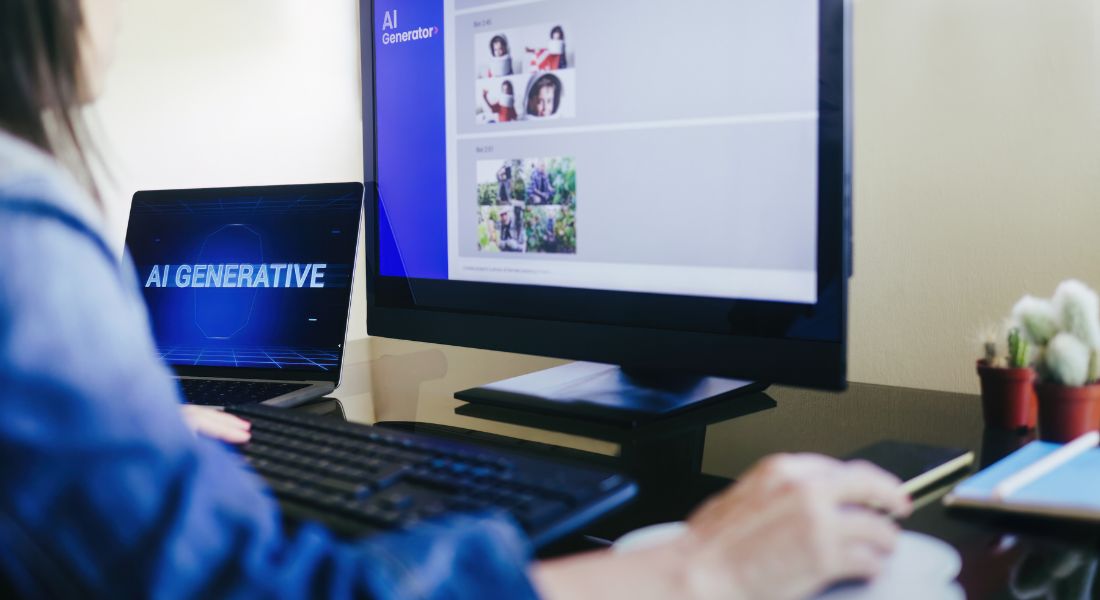
AI tools today are capable of much more than generating still images they can also produce animated backgrounds that add motion and realism to your scenes. Instead of a static environment, you can generate dynamic visuals with elements like drifting clouds, rippling water, flickering lights, or bustling streets. These subtle movements can help make your animation feel more immersive and alive.
Animated backgrounds are particularly useful when you want to establish a mood, create atmosphere, or support the narrative without distracting from the main action. For instance, a cityscape with blinking traffic lights and people walking in the distance instantly feels more authentic than a still backdrop. Likewise, a gentle breeze that rustles leaves in a forest scene can bring a sense of calm and realism.
Many AI-powered platforms now offer video-generation capabilities where you can input a detailed prompt and receive a short looping animation or even a video sequence. These tools often allow for further control, such as adjusting frame rate, loop duration, and transition smoothness.
How It Works:
To guide the AI in generating animated backgrounds, make sure to:
- Choose between static or animated backgrounds – Decide whether you want movement in your scene or just a high-quality still image.
- Specify the type of animation – Describe how specific elements should move. For example, should clouds drift slowly, water ripple gently, or traffic flow steadily through a city?
- Clarify the overall tone and pace – Is the animation meant to be slow and serene, fast-paced and chaotic, or something in between?
The more clearly you describe the desired motion and mood, the better the animation will reflect your intent.
Example Prompt:
“Generate an animated background of a bustling city at dusk, with cars driving through the streets, pedestrians walking on the sidewalks, neon signs flickering, and trees swaying gently in the wind. The atmosphere should feel energetic but not overwhelming, with warm lighting and subtle camera movement.”
This prompt tells the AI exactly what to include and how the scene should move, resulting in a vibrant, engaging animation that enhances the storytelling.
4. Refine with AI Editing Tools
Once the AI has generated your background whether static or animated you don’t have to settle for the first result. Most AI platforms now include built-in editing tools that allow you to refine, adjust, and perfect your visuals to better fit your animation style. These tools give you greater creative control, helping ensure that your background aligns with the mood, pacing, and colour palette of your overall project.
For example, if the AI-generated forest is too bright for your scene’s tone, you can lower the brightness, shift the colour temperature, or add mist to give it a more mysterious or moody vibe. Likewise, if an animated cityscape feels too slow, you can tweak the movement speed of elements like traffic, lighting effects, or ambient animations.
Another benefit of these editing tools is the ability to blend AI-generated backgrounds with your own assets. You might want to overlay a character animation onto a generated scene, insert props, or add visual effects like rain, fog, or glowing lights. Many AI platforms support layering and masking, which makes it easier to achieve a cohesive, polished final result.
How It Works:
To refine your background animations, you can:
- Use built-in AI editing features – Many tools offer options for colour grading, contrast adjustments, saturation control, and texture editing.
- Apply layering and masking effects – Combine the AI-generated scene with other visual elements like characters, overlays, or transitions.
- Adjust animation details – Fine-tune movement speed, loop duration, camera motion, and lighting conditions to better suit your project.
These refinements can help you create a seamless blend between your AI-generated background and the rest of your animated content.
Example Prompt:
“Adjust the lighting in the cityscape to make it more vibrant. Speed up the movement of the traffic slightly, add more glow to the neon signs, and darken the sky to create a more distinct night-time atmosphere.”
This prompt gives clear post-processing instructions, allowing the AI editing tool to modify the original background while preserving its core elements.
5. Integrate with Your Animation Software
After generating and refining your AI-created backgrounds, the final step is to bring them into your animation workflow. Fortunately, most AI-generated assets are designed to be compatible with industry-standard animation software. Whether you’re working in Adobe After Effects, Blender, Maya, or another platform, you can easily import these backgrounds and integrate them with your character animations, visual effects, and scene elements.
This integration allows you to combine the creative flexibility of AI with the power and precision of professional animation tools. For instance, you can place a 2D or 3D character in front of an AI-generated cityscape, composite layers of lighting effects, or sync background animations with character movements for a more cohesive look.
Depending on your needs, you can export AI backgrounds as high-resolution static images, looping video clips, or even sequences of still frames that align with your animation’s timeline. Once imported, you’ll be able to treat them like any other background asset adjust timing, apply effects, and add transitions to suit your scene.
How It Works:
- AI-generated assets are widely compatible – Most AI platforms allow you to export in common formats like PNG, JPEG, MP4, or MOV, making it easy to drag and drop into your animation timeline.
- Use image sequences or video clips – You can choose to export a single background frame, a looping animation, or a frame-by-frame sequence depending on your project needs.
- Blend with other scene elements – Once inside your animation software, layer characters, objects, lighting, and effects on top of your AI-generated background for a polished result.
Example Tools:
- Runway ML – A user-friendly, AI-powered video editing tool that can generate and animate backgrounds. It also offers direct export options for use in video and animation workflows.
- Deep Dream Generator – Known for its ability to produce surreal, dream-like visuals, this tool is great for creating abstract or artistic backgrounds that can be imported into creative animations.
- Kaiber – Lets you generate short animated scenes or loops based on text prompts or uploaded images, making it easy to design and download ready-to-use clips.
Once integrated, these AI-generated assets act just like any other component in your animation software ready to be enhanced, timed, or transformed to match your vision.
Tools for AI-Powered Animated Background Creation
Here are some widely used AI tools that can help you generate visually compelling animated backgrounds for your projects:
- Runway ML
Runway ML offers a suite of AI-powered creative tools designed for video and animation. You can generate backgrounds, apply motion effects, and seamlessly integrate the results into your editing or animation workflow. It’s ideal for creators looking for quick, high-quality results without complex manual work. - Artbreeder
Artbreeder allows users to combine and manipulate images using AI. It’s especially useful for creating unique, stylised backgrounds by blending visual elements. While it’s best known for static imagery, some outputs can be animated or used as a base for animation. - Deep Dream Generator
Powered by deep learning, Deep Dream Generator creates highly detailed and dream-like visuals. It’s perfect for those looking to add a surreal or artistic flair to their animated scenes. These backgrounds can be edited or enhanced further with animation tools. - Daz 3D
Daz 3D provides customisable 3D environments and character assets. Its AI-assisted features help users design complex scenes quickly, which can then be animated or rendered for use in motion graphics and animation projects.
These tools vary in style and output, so experimenting with a few can help you find the right fit for your animation’s visual direction.
Final Thought: Bringing Your Animation to Life with AI Backgrounds
Using AI to generate animated backgrounds can drastically improve the speed and efficiency of your animation workflow. With the ability to automate the creation of stunning environments, textures, and visual effects, AI tools allow you to focus more on storytelling and character design, rather than spending hours on detailed backgrounds.
You can contact our animation company in London to take your video content to the next level. We can help you incorporate AI-driven tools into your animation production, delivering high-quality results in less time.
