
In the world of B2B marketing, case studies are one of the most powerful tools in your content arsenal. They do more than just tell a story they offer proof. Real clients, real problems, real results. A well-crafted case study can build instant credibility with potential customers by showing them how your product or service has already made a measurable impact.
But here’s the challenge: traditional case studies are often long, text-heavy, and let’s face it not the most thrilling content to consume. In a fast-paced, attention-starved digital landscape, expecting prospects to read through pages of dense copy is a big ask. Even if the story is compelling, the format can hold it back.
That’s where animation comes in. By turning your case studies into animated videos, you breathe new life into your success stories. With the right visual storytelling, you can communicate complex results in a way that’s engaging, easy to understand, and memorable. Animation lets you illustrate data, show processes, and highlight client outcomes with creative flair without the need for lengthy paragraphs or talking heads.
It’s also a fantastic way to repurpose content. You’ve already put the effort into collecting client quotes, statistics, timelines, and results. Why not make the most of it? An animated video allows you to extend the reach of that material across your website, social media, email campaigns, and sales presentations without starting from scratch. It turns a static document into a versatile, dynamic asset that works harder for your brand.
In this creative guide, I’ll show you exactly how to transform your case studies into short animated explainers that do more than just inform they captivate, clarify, and convert. Whether you’re trying to impress stakeholders or nurture leads, animation can take your case study content to the next level.
Let’s dive in.
Why Use Animation for Case Studies?
The appeal of animation lies in its ability to turn even the driest subject matter into something visually compelling and easy to follow. In the context of B2B marketing where offerings are often complex and hard to visualise animation becomes an incredibly effective storytelling tool. Here’s how animation can take your case studies from ordinary to outstanding:
1. Simplify Complex Information
B2B products and services often involve technical processes, niche terminology, or abstract value propositions that don’t translate well on paper. Animation helps you distil that complexity into visual metaphors and simple motion graphics that explain your message in seconds. Instead of pages of explanation, a short animation can walk the viewer through your client’s journey from problem to solution clearly and concisely. This is especially useful when pitching to decision-makers who don’t have time to dig through documents but still need to understand your value quickly.
2. Create Emotional Connections
Good case studies are more than just facts and figures they’re stories about people overcoming challenges. Animation allows you to personify those stories using characters, tone, colour, and pacing. You can visually dramatise your client’s initial struggle, the turning point, and their final success, all while staying on-brand. These emotional touchpoints make your case study more memorable and help your audience relate to the client’s journey especially if they’re facing similar challenges.
3. Increase Retention
Visual storytelling is proven to be more effective at holding attention and aiding memory. Viewers are more likely to remember animated content that uses motion, icons, and metaphors than they are to retain static information. By using animation to highlight key outcomes like cost savings, time reductions, or ROI you ensure that your most important selling points stick with the viewer long after the video ends.
4. Boost Conversion Rates
Animated case studies don’t just inform they influence. Because they’re concise, engaging, and easy to share, they’re more likely to be watched to completion, embedded in email campaigns, or circulated on social platforms. This increased engagement can lead to better lead nurturing, stronger sales conversations, and ultimately, higher conversion rates. Prospects see the proof of your performance, understand the impact clearly, and are more inclined to take action.
5. Stand Out From the Crowd
Let’s face it most case studies look the same. PDF downloads, slideshows, or lengthy web pages. An animated video immediately sets you apart by showing prospects that you’re innovative, forward-thinking, and invested in clear communication. It adds polish to your brand and gives your sales team something fresh and dynamic to use in pitches or demos.
Step-by-Step Guide: Turning Written Case Studies into Animated Explainers
Have a great written case study but unsure how to bring it to life visually? Turning that static text into an animated explainer video is easier than you might think. Here’s how to do it, step by step:
Step 1: Outline the Story
Before diving into animation, you need to shape the narrative. Every good case study video has a clear arc one that takes the viewer on a journey from problem to solution. This structure keeps the content focused and emotionally resonant.
A simple, effective framework looks like this:
- Introduction: Briefly introduce the client or company. Who are they? What do they do? Add a logo or animated illustration to create instant brand recognition.
- The Problem: Describe the key challenge they were facing. Was it a lack of efficiency, a drop in performance, or an operational bottleneck? Highlight the pain points clearly so the audience can identify with them.
- The Solution: Show how your product or service solved the problem. Use visuals to illustrate how it works and why it’s different. This is where you begin building your credibility.
- The Results: This is the payoff. Include measurable outcomes like increased ROI, reduced costs, improved customer satisfaction, or time saved. Use animated graphs, numbers, or infographics to make the data pop.
- Conclusion + Call to Action: Wrap up with a quick summary and a compelling CTA. Whether it’s “Book a demo,” “Start your free trial,” or “Contact us today,” make sure the next step is crystal clear.
Condense your written case study into a punchy script, ideally no longer than 150–250 words. That’ll give you a finished animation around 60–120 seconds long long enough to tell the story, short enough to keep attention.
Step 2: Develop a Visual Style
Once your script is locked in, it’s time to think visually. The animation style you choose will set the tone for the entire video so it’s important that it aligns with both your brand identity and the message of the case study. The right style not only enhances clarity but also reinforces how your audience perceives your company: professional, approachable, innovative, or all of the above.
Here are some of the most popular animation styles to consider:
- 2D Animation
This is one of the most commonly used styles for explainer videos. It’s clean, clear, and easy to understand making it ideal for explaining services or workflows in a straightforward way. You can use characters, environments, and transitions to tell the story in a relatable, human way without overwhelming the viewer. - Motion Graphics
Perfect for B2B audiences, motion graphics focus on sleek, data-driven storytelling. This style uses animated text, charts, icons, and symbols to visualise complex statistics or abstract ideas. It’s ideal if your case study involves a lot of numbers, KPIs, or product comparisons that benefit from visual emphasis. - Whiteboard Animation
This style mimics a hand sketching on a whiteboard and works well for educational or step-by-step storytelling. It gives a more personal, informal tone, which can be helpful if your aim is to simplify very technical content or explain a multi-stage process. - 3D Animation
More immersive and visually striking, 3D animation allows for detailed visualisations of products, machinery, or infrastructure. It’s a great choice if you need to showcase physical products or environments that can’t be explained easily through flat visuals. While more time-intensive, the result can be truly impressive.
Step 3: Use Animation Software or a Professional Studio
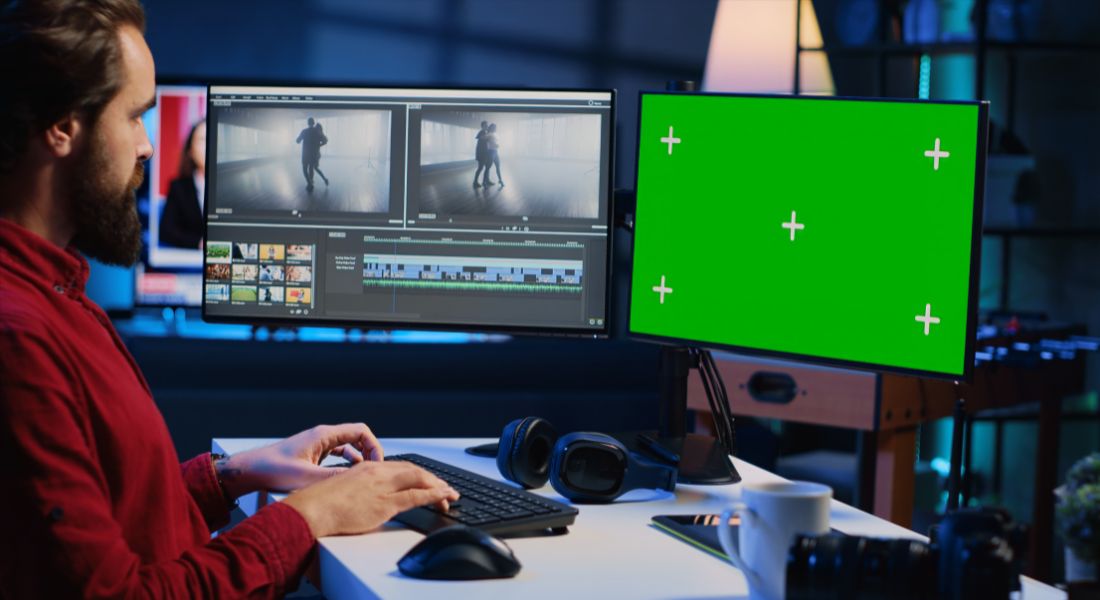
With your story outlined and your visual style defined, the next step is production. This is where your animated case study starts to come to life. Depending on your in-house capabilities, you can either create the video yourself using animation software or collaborate with a professional animation studio.
DIY Animation: For Teams with Design Expertise
If you have access to a designer or motion graphics specialist, creating your own animation can be a cost-effective and flexible option. Tools like Adobe After Effects, Toon Boom, Vyond, or Animaker allow you to create high-quality animations with varying levels of complexity.
- Adobe After Effects is a powerful industry-standard tool for motion graphics and animation. It’s ideal for custom animations, transitions, and effects, but it does require a solid learning curve.
- Vyond and Animaker are more user-friendly, template-based platforms, great for simpler animations or teams without deep design experience. They offer drag-and-drop interfaces and prebuilt assets that can significantly speed up production.
Keep in mind that even simple animations take time. Scripting, voiceovers, sound design, and revision rounds can quickly add up so if your internal resources are limited, outsourcing may be the smarter route.
Partnering with a Professional Animation Studio
If you prefer a hands-off, high-quality result, working with an animation studio is a smart move especially if your case study is high-stakes (e.g. for a sales pitch, product launch, or investor meeting). A good studio doesn’t just make things move they help shape the story, fine-tune the script, and visualise your brand in a compelling way.
When choosing a studio, look for:
- Experience with B2B content: B2B case studies require a different tone and structure than B2C explainer videos. The studio should understand how to appeal to business audiences without oversimplifying.
- Strong portfolio: Review their past work to assess quality, style versatility, and storytelling ability. Do their videos feel engaging and polished? Can you see your brand fitting in that style?
- Collaborative process: Look for a team that involves you throughout key stages scriptwriting, storyboarding, style development, and final review. A good studio will treat you like a creative partner, not just a client.
- Understanding of marketing goals: The best studios don’t just think like animators they think like marketers. They should understand how to align the video with your wider sales funnel, buyer persona, or campaign goals.
Whether you go DIY or work with pros, the key is clarity. Every frame should move the story forward and help your audience understand the value you bring.
Step 4: Add Voiceover and Sound Design
Once your visuals are in place, it’s time to bring them to life with a compelling voiceover and thoughtful sound design. These audio elements are often underestimated, but they play a crucial role in shaping how your audience absorbs and interprets your message.
Voiceover:
A well-written and well-delivered voiceover can provide essential context, clarify key points, and guide the viewer through the narrative of your animated case study. It essentially acts as the narrator, walking the audience through each visual scene and connecting the dots. When recording your voiceover, aim for a tone that’s professional, yet warm and relatable. You want the narration to feel like it’s coming from a knowledgeable but approachable expert not a corporate robot reading a script.
Also, be mindful of pacing. The voiceover should match the rhythm and tempo of the animation. If the visuals move too quickly, the message can feel rushed or confusing. If the narration lags behind, it can make the experience feel disjointed. Aim for a smooth, natural flow that aligns perfectly with the visual transitions on screen.
Sound Design:
Beyond the voiceover, sound design plays an equally vital role in enhancing the overall mood and immersion. Background music can set the tone whether that’s upbeat and energetic, calm and reflective, or something more dramatic. Choose a music track that complements the emotion of your story and doesn’t overpower the voiceover.
In addition to music, subtle sound effects can add realism and texture. Think of soft clicks for transitions, whooshes for animated movements, or ambient sounds that reflect the setting of the story. These details, though small, can make the animation feel much more dynamic and polished.
When done well, voiceover and sound design work together to elevate your case study from a series of visuals to a fully immersive storytelling experience that captures attention and drives your message home.
Step 5: Share and Promote
Once your animated case study is complete, don’t just sit back and wait for people to find it make sure it gets seen. A great video is only effective if your target audience actually watches it, so strategic distribution and promotion are key. Think of this step as launching your animation into the world and actively guiding it into the right hands (and screens).
Website:
Start by embedding the video directly on your website. Ideally, place it on a dedicated case study page where visitors can learn more about the project in depth. You might also feature it on your homepage or product pages, especially if the animation showcases a flagship service or success story. A well-placed video can increase time-on-site and drive deeper engagement from potential customers.
Social Media:
Next, take advantage of your social media platforms. Share the video on LinkedIn, X (formerly Twitter), Facebook, and even Instagram or TikTok if the format fits. Tailor the caption or post text to suit each platform, and consider using platform-specific features like Stories, Reels, or LinkedIn Documents to boost visibility. If budget allows, consider running a paid promotion campaign to increase reach among target audiences or industry segments.
Email Campaigns:
Don’t forget your email list. Video content can dramatically improve open and click-through rates when included in newsletters or follow-up campaigns. You can use animated case studies in drip sequences to nurture leads who are considering your services or showcase them in customer re-engagement campaigns. Make sure the email subject line hints at the story behind the video curiosity drives clicks.
Blog and SEO:
You can also increase exposure by writing a blog post that summarises the case study and embeds the animation within it. Optimise the post for search engines using keywords related to the client’s challenge, your solution, and the industry niche. This can help attract organic traffic from people who are researching similar problems.
Track and Optimise:
Once your video is out in the world, monitor its performance closely. Keep an eye on view counts, average watch time, click-through rates, and conversions. Platforms like YouTube, Vimeo, Wistia, or your marketing automation tools can provide these analytics. Use the data to refine your distribution strategy or test different thumbnails, captions, and posting times for better results.
Promoting your animation effectively ensures that all the effort you put into creating it pays off helping you attract new leads, reinforce trust, and showcase real-world success in a way that’s hard to ignore.
Why Work with a Professional Animation Studio?
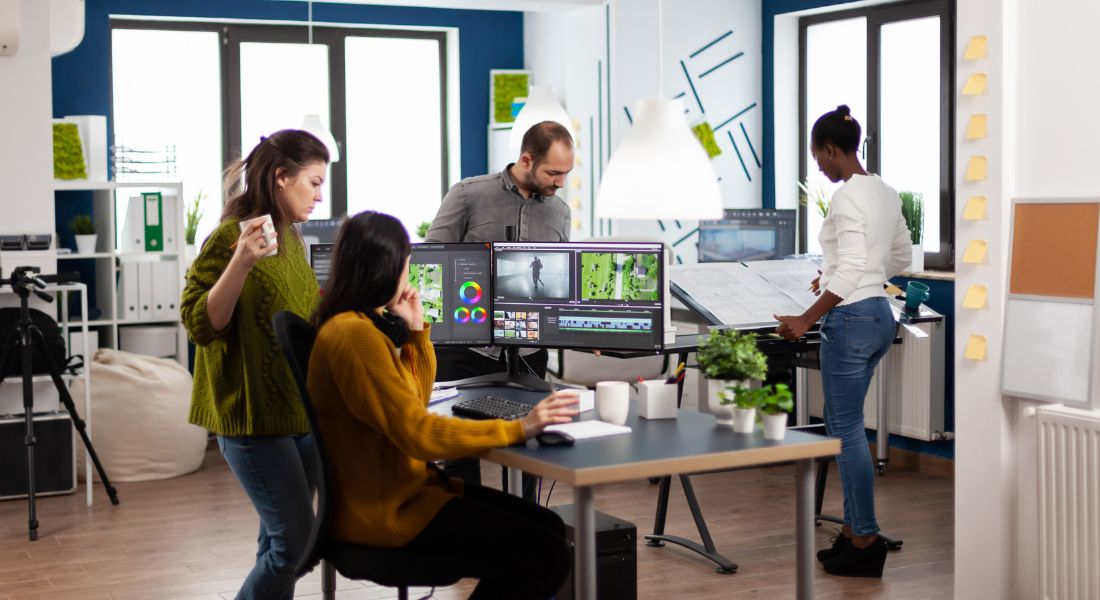
While DIY animation tools are great for quick projects, working with a professional animation company ensures that your video is polished, effective, and aligned with your branding goals. A case studies video company in London can help you craft a narrative that speaks to your audience’s pain points and delivers a clear, concise solution.
At Spiel Creative, we specialise in creating high-quality, custom animations that bring your case studies to life ensuring maximum impact for your brand.
Final Thought: Bringing Your Case Studies to Life
Transforming your case studies into animated videos is a creative and effective way to boost engagement, improve retention, and increase conversions for your B2B brand. By using animation to visually tell your success stories, you can present complex information in a way that’s easy to understand and remember.
You can contact our case studies video company in London to take your video content to the next level. We combine creative animation with professional strategy to help you tell your story in a way that resonates.
