

Anime has become one of the most recognisable forms of visual storytelling in the world, and a big reason for its popularity lies in the variety of art styles it uses. Unlike Western cartoons, which often stick to a fairly consistent look, anime embraces a wide spectrum of artistic approaches. Each style whether simple and exaggerated or highly detailed and realistic serves a purpose beyond just appearance. The way characters and worlds are drawn directly influences the mood, themes, and emotional impact of the story.
Take chibi characters, for example. With their oversized heads, small bodies, and exaggerated expressions, they instantly signal playfulness, comedy, or light-hearted moments. On the opposite end of the spectrum, hyper-realistic anime designs focus on accurate anatomy, shadows, and textures, creating a sense of seriousness or emotional intensity. Between these extremes lie dozens of styles some leaning toward dreamy and whimsical, others sleek and action-oriented, and some deliberately abstract to emphasise creativity over realism.
This diversity is part of what makes anime so versatile. A romantic comedy might use softer lines and bright colours to highlight warmth and humour, while a dark fantasy series might employ sharper features, muted tones, and detailed backgrounds to immerse viewers in a harsher world. Even within a single show, styles can shift depending on the tone of a scene comic relief moments may use a chibi transformation, while dramatic climaxes call for heightened realism.
For fans, learning to recognise these different art styles adds another layer of enjoyment. It helps explain why certain series feel light and cheerful while others seem grounded, intense, or even unsettling. For creators, choosing a style is one of the most important storytelling decisions, because it shapes not just how characters look, but also how audiences experience their journey. Ultimately, anime’s ability to switch between styles or blend them together is one of the key reasons it continues to captivate viewers across generations and cultures.
1. Chibi: Exaggerated Cuteness

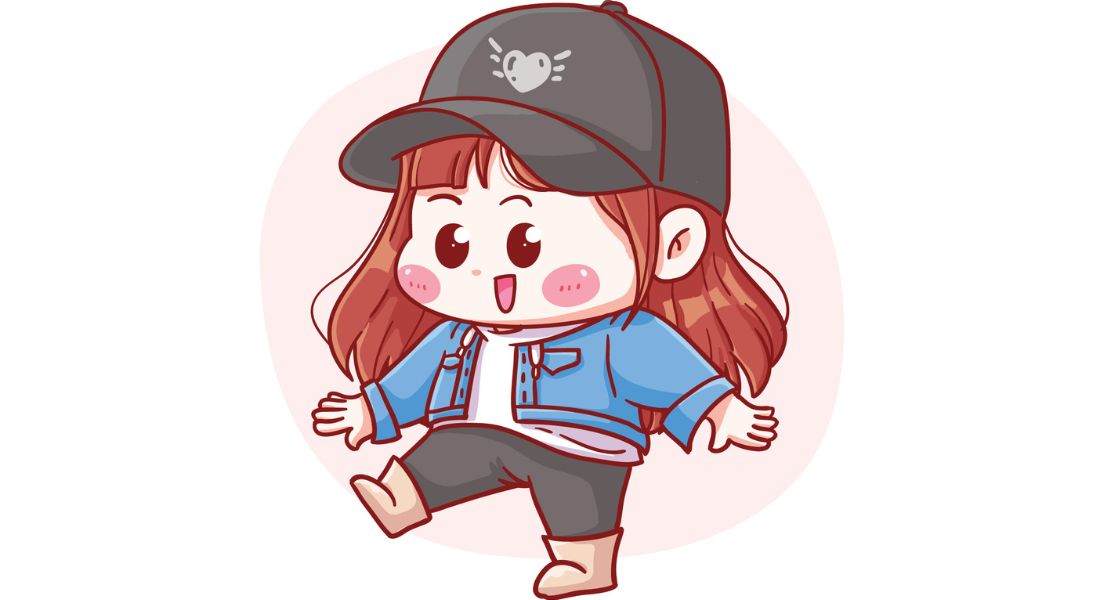
Chibi is one of the most iconic and widely recognised anime art styles, instantly setting itself apart with its playful exaggerations. The term “chibi” in Japanese literally means “short” or “small,” and that’s exactly what this style embodies: tiny, shrunken-down versions of characters with oversized heads, simplified bodies, and huge, expressive eyes. In fact, the head is usually about one-third to one-half the size of the entire body, which is what gives chibi characters their instantly adorable, doll-like appearance. Arms and legs are drawn as short, stubby shapes, while facial features are kept bold and expressive to maximise emotion.
What makes chibi unique is its function in storytelling. Unlike more realistic or dramatic styles, chibi is never meant to be taken seriously. Instead, it’s used to amplify humour, innocence, or exaggeration in a way that feels universally charming. A stern, battle-hardened hero might suddenly appear in chibi form when flustered, embarrassed, or annoyed completely breaking their intimidating persona and drawing a laugh from the audience. This ability to instantly switch the mood of a scene is one of the main reasons chibi remains so popular.
Beyond being a tool for comedic relief, chibi often appears in “super-deformed” (SD) spin-offs of popular series. Shows like Naruto SD: Rock Lee & His Ninja Pals or Attack on Titan: Junior High take characters from action-heavy or emotionally intense series and reimagine them in a chibi universe, where serious battles are replaced with everyday gags and school-life scenarios. Similarly, Hetalia: Axis Powers uses chibi designs to represent nations as quirky, childlike characters, making heavy historical and political themes easier to digest in a humorous way.
Chibi isn’t limited to television either it’s a huge part of anime culture in merchandise, fan art, and gaming. Chibi figures and plushies are among the most popular forms of collectibles because the exaggerated cuteness makes characters instantly more appealing. Video games often use chibi designs for spinoffs or mobile versions, as seen in series like Final Fantasy and Persona Q. Even outside Japan, the style has influenced Western animation and comics, where exaggeratedly cute renditions of characters are often used for parody or comic effect.
On a deeper level, chibi highlights the flexibility of anime as a medium. It shows that characters don’t have to remain bound to a single visual identity artists can adapt them into any form to suit the tone of the story. While realism can anchor viewers in a serious narrative, chibi reminds us that anime also thrives on playfulness, imagination, and emotional exaggeration. It creates a safe space for humour, letting audiences laugh with beloved characters without undermining the main story’s overall seriousness.
In short, chibi isn’t just a style it’s a storytelling shortcut, a cultural phenomenon, and one of the clearest examples of how anime can effortlessly shift between tones. Whether used briefly in a gag scene or as the foundation of an entire parody series, its charm lies in the fact that it makes characters approachable, loveable, and endlessly entertaining.
2. Super Deformed (SD) Styles
Features:
Super Deformed (commonly known as SD) is a playful offshoot of the chibi style, but it goes beyond the typical “big head, small body” look by experimenting with a wider range of proportions. Unlike chibi, which tends to stick to a uniform ratio, SD can exaggerate characters in multiple ways depending on the scene. Heads are usually two to three times larger than normal, bodies are squashed down to tiny frames, and limbs are simplified, sometimes reduced to stubs for comedic effect. The eyes often take up half the face, making emotions pop instantly, while mouths can stretch impossibly wide to scream, cry, or laugh. These distortions are not just about cuteness they create a hyper-expressive form that pushes character design into the realm of comedy and parody.
Purpose:
The main function of SD is exaggeration for comedic or emotional emphasis. Anime creators often switch into SD mode to lighten the mood during otherwise serious moments, giving the audience a break from heavy themes. By turning characters into squishy, over-the-top versions of themselves, the story signals that what’s happening is meant to be funny, silly, or satirical. SD is also perfect for parody, as it can poke fun at tropes or even at the show’s own characters. A hero who is usually depicted as fearless might suddenly be shown in SD form with tears streaming down their oversized eyes, stomping their tiny legs in frustration. This sudden shift adds contrast and makes the humour hit harder.
Examples in Anime:
Many popular franchises have embraced SD to connect with fans in fun ways. Dragon Ball SD is a spin-off that retells Goku’s adventures with light-hearted charm, shrinking down the intense battles into a more comical form. Similarly, One Piece SD shorts exaggerate the Straw Hat crew’s already quirky personalities, turning their antics into pure comedy. Other series such as Gundam SD have entire spin-off universes built around the style, where even mechas are transformed into short, squat, big-headed versions of themselves. These playful reinterpretations often become fan favourites because they allow viewers to see beloved characters from a fresh perspective.
Cultural Impact:
SD is not only popular in anime but also thrives in related media such as manga side stories, fan art, video games, and even merchandise. Plush toys, figurines, and keychains frequently adopt SD designs because they are both marketable and universally appealing. This style simplifies details without losing character recognisability, making it perfect for branding and collectibles. Beyond official works, SD has become a go-to choice in fan culture for creating humorous comics or parody art that exaggerates a character’s quirks.
Why It Works:
The strength of SD lies in its ability to communicate big emotions through small, exaggerated designs. When a character is frustrated, their head might balloon even larger, their face turn red, and their arms flail wildly. If they’re embarrassed, they might shrink down even further, reduced to a trembling dot with teary eyes. These instant visual cues create a universal language of comedy that anyone can understand, even without dialogue. By leaning into extremes, SD keeps stories lively, entertaining, and visually dynamic. It’s a playful reminder that anime doesn’t always have to take itself seriously it can laugh at itself too.
3. Standard Anime Style
Features:
The standard anime style is what most people think of when they picture anime. It blends balanced proportions with a slight touch of stylisation, making it both relatable and visually appealing. Characters are typically drawn with human-like body proportions, but certain features especially the eyes are emphasised for expressiveness. Eyes are often large, vibrant, and detailed, conveying a wide range of emotions that might be harder to capture with more realistic designs. Hair is another hallmark, with bold colours, gravity-defying spikes, or flowing locks that can signal a character’s personality at a glance. Clean linework, sharp angles, and dynamic movement define this style, allowing for clarity and consistency across action sequences, emotional moments, and everyday interactions.
Purpose:
The standard anime style serves as the foundation for most mainstream anime because it balances realism with creativity. It’s versatile enough to handle multiple genres whether it’s high-energy battle scenes, heartfelt romance, or slice-of-life storytelling. The style ensures that characters feel human and relatable while still standing out as unique and visually striking. This balance makes it easier for viewers to immerse themselves in the story without being distracted by overly abstract visuals or extreme exaggerations. In essence, the standard style is designed for longevity, giving creators a flexible base for building entire worlds and narratives.
Examples in Anime:
Some of the most iconic and globally recognised series use the standard anime style. Naruto and My Hero Academia are prime examples, showcasing action-packed sequences with fluid animation while still keeping character designs approachable and memorable. Sword Art Online demonstrates how this style can handle both fantasy and romance, shifting between intense battles and tender emotional scenes without feeling out of place. Even long-running series like One Piece often rely on this core style for its main storytelling, only shifting to exaggerated forms like chibi or SD for comedic relief.
Cultural Impact:
Because of its versatility, the standard anime style has become the visual identity of anime worldwide. It is the template most animation schools, aspiring artists, and fan creators adopt when they first start drawing. Many video games, light novels, and manga adaptations also use this style, ensuring visual consistency across media. Beyond Japan, this design approach has influenced Western animation and webtoons, inspiring creators to experiment with similar proportions and expressive features. Merchandise from posters to figurines frequently relies on this style since it captures characters in their most recognisable and beloved form.
Why It Works:
The standard anime style strikes the perfect balance between stylisation and realism. By exaggerating only certain elements like eyes, hair, or facial expressions while keeping bodies mostly realistic, it ensures that characters remain relatable while still visually exciting. This gives animators freedom to create over-the-top action or deeply emotional moments without breaking immersion. It’s accessible, recognisable, and endlessly adaptable, which is why it continues to dominate as the backbone of the anime industry.
4. Realism in Anime
Features:
Realistic anime art focuses on accuracy and detail, often resembling real human anatomy and natural environments more closely than other anime styles. Characters are drawn with proper body proportions, subtle facial features, and natural movements, making them appear more grounded and believable. Unlike the oversized eyes and simplified lines seen in standard or chibi styles, realism leans towards smaller, proportionate eyes, realistic skin tones, and carefully rendered expressions that mirror genuine human emotion. Backgrounds are also given significant attention, with textures, lighting, and perspective designed to immerse viewers in the setting. From detailed cityscapes to lifelike clothing folds, this style emphasises authenticity.
Purpose:
The primary goal of realism in anime is immersion. By closely mirroring real life, it allows viewers to connect deeply with the narrative and its characters. This style is often chosen for serious, mature, or philosophical stories where exaggerated visuals might undermine the tone. Realism also enhances dramatic storytelling by grounding fantastical or futuristic elements in a believable visual framework. For example, a cyberpunk city feels more convincing and more haunting when it’s depicted with meticulous architectural detail and lifelike textures.
Examples in Anime:
Several iconic works have embraced realism to powerful effect. Akira is a landmark example, with its gritty urban detail and fluid character animation that elevated anime to international acclaim. Ghost in the Shell is another classic, blending realism with futuristic cybernetic elements to create a visually and thematically complex world. More recently, Your Name (Kimi no Na wa) showcased a softer but equally meticulous realism, with breathtakingly detailed cityscapes and natural landscapes that made the emotional story even more impactful. Each of these works demonstrates how realism can amplify both atmosphere and narrative depth.
Cultural Impact:
Realism in anime has helped bridge the gap between Japanese animation and global audiences, particularly those who may not typically watch stylised or fantastical animation. The meticulous artistry found in realistic anime has often been compared to live-action cinema, with some critics calling it “animated filmmaking.” This style has influenced not just anime but also video games, CGI films, and Western animated projects seeking a balance between artistic flair and believability. It has also contributed to anime being taken more seriously as a medium capable of exploring profound social, political, and emotional themes.
Why It Works:
Realism works because it heightens emotional impact and believability. When a character cries, smiles, or struggles, the naturalistic expressions make those moments feel more genuine. The detailed environments also ground fantastical elements, making even science fiction or supernatural stories feel plausible. Realism allows anime to function as both entertainment and art, creating a cinematic experience that resonates across cultures. This style proves that anime can be more than stylised fantasy it can be a lens through which viewers explore human nature and the world around them.
5. Abstract and Experimental Styles

Features:
Abstract and experimental anime styles break away from traditional rules of design, using visuals that are intentionally distorted, exaggerated, or unconventional. Characters may be drawn with elongated limbs, irregular proportions, or even morphing shapes that defy consistency from scene to scene. Perspectives can shift dramatically sometimes flattening, sometimes warping the world around the characters. Colours are also used in bold, unconventional ways, such as neon palettes, sharp contrasts, or surreal overlays that challenge the viewer’s expectations of how anime “should” look. This approach prioritises creativity and mood over uniformity or realism, producing visuals that feel more like moving art pieces than standard animation.
Purpose:
The purpose of abstract and experimental styles is to prioritise artistic expression over conventional storytelling. Instead of aiming for realism or balance, these styles seek to evoke emotions, challenge perceptions, and explore new ways of visual communication. They are often used in stories with philosophical, surreal, or psychological themes, where the visuals themselves become part of the narrative. By breaking free from rigid design rules, this style allows directors and animators to represent abstract ideas such as memory, time, or inner conflict through visual metaphor rather than dialogue alone.
Examples in Anime:
A number of visionary works showcase this style. Mind Game by Masaaki Yuasa is one of the most famous, with its constantly shifting animation techniques, exaggerated character designs, and chaotic, colourful storytelling. Tatami Galaxy, also directed by Yuasa, employs rapid dialogue, surreal backgrounds, and experimental framing to capture the confusion and complexity of youth and self-discovery. Studio 4°C, known for its avant-garde projects, has also produced works such as Tekkonkinkreet and Genius Party, which use unusual colour palettes, fractured perspectives, and symbolic imagery to immerse viewers in emotionally charged worlds. These projects are often celebrated not just as anime, but as bold contributions to the art of animation itself.
Cultural Impact:
Abstract and experimental anime has played a significant role in pushing the boundaries of the medium, proving that anime is not limited to standardised character designs or conventional storytelling methods. While not always mainstream, these works often gain cult followings and critical acclaim, influencing independent animators and inspiring experimental projects in both Japanese and global animation. They also contribute to anime’s recognition as a serious art form, often being screened at international film festivals alongside avant-garde live-action films.
Why It Works:
This style works because it embraces unpredictability and emotion. By distorting reality and using unconventional visuals, abstract anime can make viewers feel disoriented, exhilarated, or deeply moved in ways that realistic styles might not achieve. The very strangeness of the visuals keeps audiences engaged, forcing them to interpret the symbolism and emotional cues on their own terms. In doing so, experimental anime opens the door for storytelling that is more poetic, metaphorical, and open to interpretation. It’s not always about making sense it’s about making an impact.
Final Thoughts: The Power of Anime Art Styles
Anime’s diverse art styles are more than just aesthetics they’re powerful storytelling tools. From the playful charm of chibi characters to the immersive depth of realism, each style adds its own flavour, shaping how audiences connect with a story. Experimental approaches push creative limits, while standard styles provide familiarity and accessibility.
Whether you’re a fan or a creator, understanding these artistic choices deepens your appreciation for the medium. And if you’re looking to bring that same creativity to your own projects, you can contact our animation company in London to take your content to the next level.
