
Creating a storyboard is one of the most important steps in the video production process. It helps bring your creative vision to life, acting as a visual roadmap that guides everything from camera angles and scene transitions to mood and message. A well-thought-out storyboard doesn’t just keep your production on track it ensures that every frame reflects your brand identity and engages your target audience in a consistent, compelling way.
But let’s face it storyboarding can be time-consuming, especially when you’re juggling tight deadlines, multiple stakeholders, or limited creative resources. That’s where AI comes in. With the rise of intelligent agents trained for creative workflows, you can now generate professional-quality storyboards in a fraction of the time without compromising on quality or brand alignment.
So how do you make sure the AI delivers visuals that truly reflect your brand’s tone, personality, and goals? It all starts with a clear, strategic brief.
In this article, we’ll walk you through exactly how to brief AI agents effectively to create storyboards that align with your brand voice and visual identity. Whether you’re producing a corporate promo, a social media campaign, or an explainer video, we’ll show you how to craft prompts that guide AI in the right direction saving you time, reducing back-and-forth, and keeping your content on-brand from the very first frame.
Why Use AI for Storyboarding?
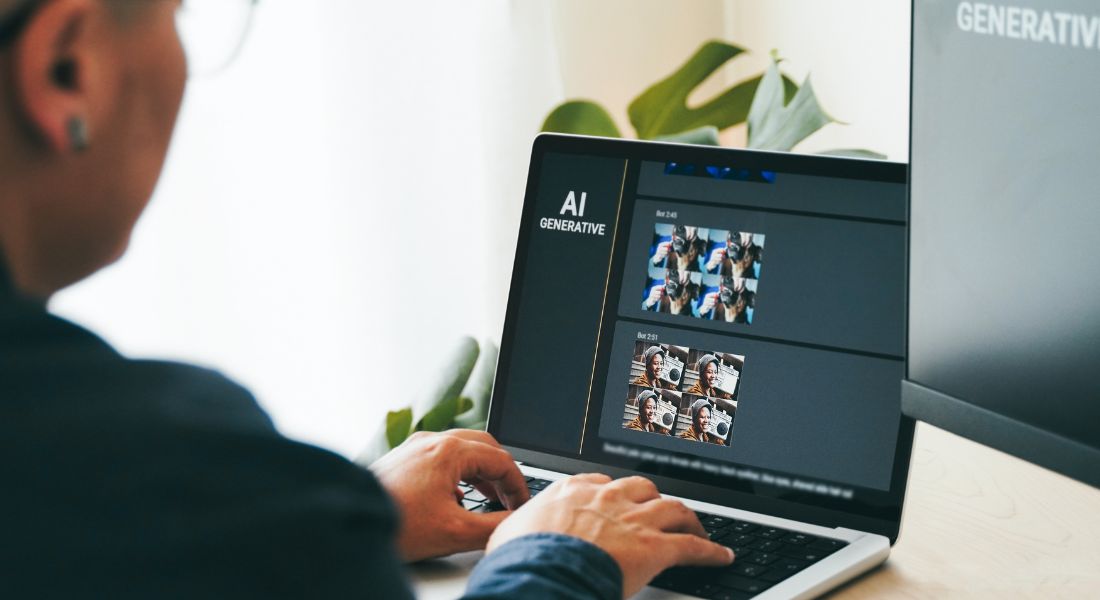
Storyboarding has long been a cornerstone of video production. Traditionally, it involves manually sketching out each scene, planning camera angles, visual compositions, and transitions frame by frame. While this process still holds value particularly for artists and directors who enjoy hands-on visual development it’s not always practical, especially in fast-paced production environments. Manual storyboarding takes time, requires a high level of drawing skill, and can be difficult to revise once the process is underway.
That’s where artificial intelligence (AI) is starting to reshape the process. AI-powered tools can now generate storyboards based on written scripts, creative briefs, visual inputs, or even rough ideas. These tools offer speed, scalability, and a surprising amount of creative flexibility. Whether you’re working on a commercial, a social media campaign, a product explainer, or internal training content, AI can help turn abstract ideas into structured visual scenes within minutes.
Here are some of the most compelling benefits of using AI for storyboarding:
1. Speed and Efficiency
One of the biggest advantages of using AI is how quickly it can generate visual sequences. Instead of waiting hours or even days for a storyboard artist to illustrate each frame, AI tools can instantly visualise your script or idea. All you need to do is provide the necessary inputs, such as the narrative structure, desired visual style, and tone. The AI does the rest, generating a visual outline that you can review, edit, and share.
This is particularly useful during early concept development or client pitches, where visualising ideas quickly can make all the difference. It also makes iterative work far less painful. If you need to revise a scene, change the setting, or alter the pacing, you can do so instantly by adjusting the prompt or selecting different options without having to redraw everything manually.
2. Visual Consistency and Brand Alignment
When it comes to visual storytelling, consistency is key. Every frame should reflect your brand’s aesthetic whether that means a specific colour palette, type of lighting, character style, or tone of voice. AI tools can be trained or directed to follow your brand guidelines with remarkable precision. Once the visual rules are defined, AI can apply them across every panel of the storyboard to maintain a cohesive look.
This becomes especially beneficial in large organisations or multi-agency collaborations, where multiple creatives may be involved. With AI, you reduce the risk of visual drift where each contributor interprets the brand slightly differently. Instead, you get storyboards that stay aligned with your identity from the first scene to the last.
3. Boosting Creative Exploration
Contrary to the belief that AI limits originality, many creators find that it actually enhances creativity. AI can serve as a brainstorming partner offering fresh takes on how a scene might be visualised or suggesting transitions and compositions you might not have considered.
For example, if you input a scene involving a character walking through a forest, the AI might present multiple variations: a wide cinematic shot with dramatic lighting, a dreamy animated version, or a stylised noir look. These options can serve as springboards for discussion and inspiration, helping your team explore visual directions without getting stuck on one interpretation too early in the process.
4. Seamless Collaboration
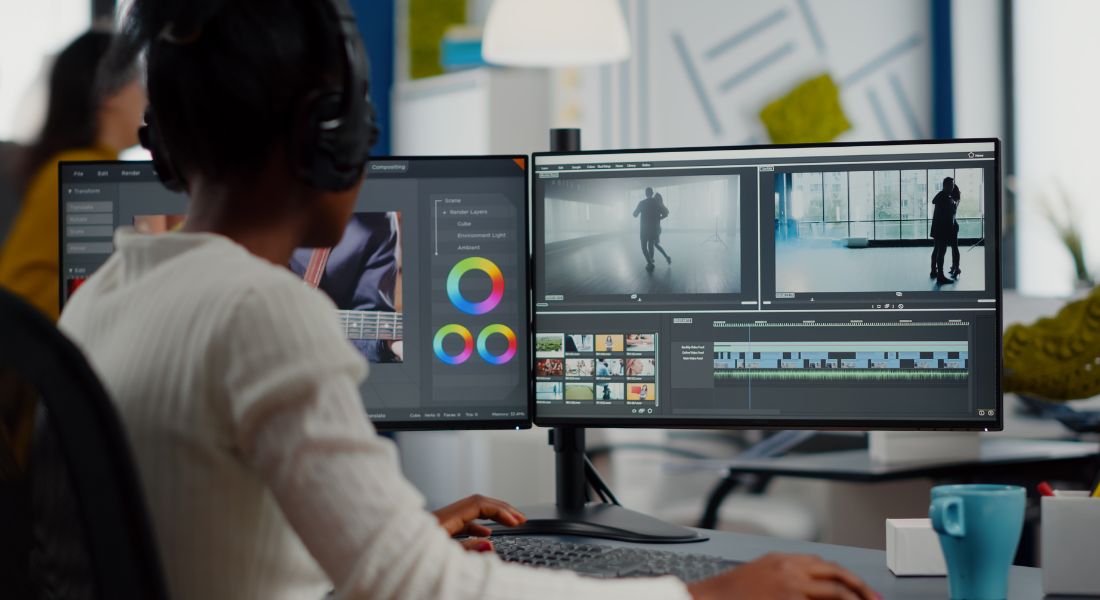
Modern AI tools often come with built-in collaboration features that make working with teams whether remote or in-house more streamlined. You can easily share draft storyboards with stakeholders, receive feedback in real time, and implement changes on the spot.
Because these tools operate digitally, there’s no need for printing, scanning, or emailing large files back and forth. Everything is centralised, version-controlled, and accessible across devices. This improves communication across departments especially between creatives, producers, and clients and helps ensure everyone is on the same page before filming begins.
How to Brief an AI Agent for a Storyboard That Matches Your Brand
AI is a powerful creative assistant but it can only work with the information you give it. The more clearly you communicate your needs, the better the output. Just like a human designer, an AI agent needs proper guidance to understand your objectives, tone, visual identity, and audience.
To get the most from AI-driven storyboarding tools, it’s important to provide a detailed and structured brief. The key is to be both creative and specific giving the AI enough context to generate storyboards that are not only professional, but also deeply aligned with your brand personality and purpose.
Here are some practical tips for briefing an AI agent effectively:
1. Define the Video’s Purpose
Before anything else, identify why you’re making the video. This foundational step sets the tone for every creative decision that follows. Whether it’s a brand awareness campaign, product demo, customer testimonial, or internal training video, clearly stating the video’s intent gives the AI a strong starting point.
Think about the problem your video aims to solve and the message you want your audience to walk away with. A concise description of your objective helps the AI choose visuals that support your message effectively.
Example Prompt:
“This video is a product demo for a new fitness app aimed at busy professionals. The goal is to highlight the app’s key features and show how it helps users stay fit even with limited time. The storyboard should communicate efficiency, motivation, and everyday convenience.”
2. Specify the Tone and Style
Every brand has a unique voice and visual identity. Is your brand bold and edgy, or calm and reassuring? Playful or professional? Make sure to describe not only the tone of the narrative but also the visual style you want the AI to replicate. Mention colours, mood, lighting, and even motion cues if applicable.
Don’t hesitate to reference existing materials brand videos, website visuals, or campaign assets as examples.
Example Prompt:
“The tone should be motivational and uplifting, speaking directly to individuals who want to improve their health without disrupting their schedule. Use a visual style that’s modern, clean, and minimalistic, with bright colours like turquoise and white. Include smooth, elegant transitions between scenes.”
3. Describe the Structure and Flow
A well-structured video is easier for viewers to follow and more impactful overall. Help the AI by laying out the basic narrative structure of your video. This doesn’t have to be overly complicated just break it into scenes or phases, like intro, challenge, solution, and CTA.
If you already have a script or even a loose outline, include it in your prompt. It’ll give the AI a framework to build visual sequences that align with your messaging.
Example Prompt:
“The video should start with an introductory scene of a busy professional juggling work and family life. Then move into a problem segment that outlines the struggle to find time for fitness. Introduce our app as the solution, showing how it integrates workouts into short daily routines. End with a call to action encouraging users to download the app and start a free trial.”
4. Include Specific Brand Elements
Your brand identity needs to be clearly represented in every frame. If you have brand guidelines, colours, logos, taglines, or even custom illustrations, mention them specifically in your brief. The AI can incorporate these visual elements if they’re well defined.
If your brand uses a particular font, shape language, or character style, include those details too.
Example Prompt:
“Use our brand colours (light blue, white, and slate grey) as the primary palette. The company logo should appear in both the opening and closing scenes. Stick to Helvetica Neue for any on-screen text or graphics. Characters should be illustrated in a clean, flat style no heavy shading or outlines.”
5. Provide Visual and Cinematic Cues
If you want the storyboard to reflect a certain visual rhythm or cinematic style, be sure to include that information. Mention preferred camera angles (e.g., close-up, wide shot, over-the-shoulder), pacing (fast or slow), transitions (fade, cut, pan), and even specific environments or moods.
These small details help the AI make more informed creative choices resulting in a storyboard that feels thoughtful and purposeful.
Example Prompt:
“The video should begin with a close-up of a professional checking their smartwatch, followed by a slow zoom-out that reveals their busy home office environment. The transition to the next scene should use a subtle crossfade. Use over-the-shoulder shots to show the app interface in action, and finish with a wide-angle shot of the character exercising outdoors at sunrise.”
6. Ask for Multiple Options
AI tools can often generate more than one interpretation of your prompt. Take advantage of this flexibility by asking for different storyboard variations. This allows you to explore a few directions before committing to a specific one and gives you a chance to blend ideas from multiple concepts if needed.
This is especially useful when you’re still deciding on tone or setting, or when presenting ideas to stakeholders who may prefer having options.
Example Prompt:
“Generate three storyboard variations for this video:
- A formal corporate setting that features the app being used in an office.
- A casual home setting with a relatable, down-to-earth tone.
- An energetic, outdoor scenario with users jogging, biking, and using the app on the go.”
Tools for AI-Driven Storyboarding
Once you’ve crafted a strong brief, the next step is choosing the right AI tool to bring your storyboard to life. Today, there are several platforms that incorporate artificial intelligence to simplify the storyboarding process whether by auto-generating frames from scripts, suggesting layouts based on tone, or enhancing visuals with style-based prompts.
Here are some popular tools that can help you build professional-looking, brand-consistent storyboards with minimal effort:
1. Storyboard That
Best for: Beginners, educators, marketing teams
Storyboard That is a highly accessible and intuitive platform designed to help users of all skill levels create storyboards quickly. You don’t need any design or illustration experience to use it effectively. The tool provides a wide variety of pre-made characters, backgrounds, and scene templates, which you can customise to match your narrative and brand.
While it doesn’t use advanced generative AI, its drag-and-drop interface and template-based structure allow you to input your creative brief and build out a storyboard that visually aligns with your concept. It’s particularly useful for early-stage planning or when you need a quick visual outline for pitches, presentations, or internal discussions.
2. Canva
Best for: Teams already using Canva for brand content, social media marketers
Canva is a versatile design platform that many creatives already use for social posts, presentations, and marketing materials. What’s less known is that Canva also offers features for creating storyboards complete with AI-powered tools like Magic Design, text-to-image generation, and smart layout suggestions.
You can start with one of their storyboard templates or build your own frame-by-frame layout using Canva’s library of graphics, photos, and design elements. The real strength of Canva lies in its ease of use and the ability to stay consistent with brand guidelines especially since you can upload logos, fonts, and colours directly into your Brand Kit.
AI tools within Canva assist with layout balancing, content generation, and design tweaks, making it a practical choice for small teams looking for quick results.
3. Boords
Best for: Production teams, agencies, video creators with scripts
Boords is purpose-built for professional storyboarding and offers a more specialised set of features for video production workflows. One standout feature is its AI-assisted storyboard generator, which can automatically turn your written script into a draft storyboard.
Simply paste your script into the platform, and Boords will divide it into scenes, generate visual suggestions, and even add placeholder images that you can later customise or replace. You can also collaborate with team members, receive feedback, and make edits in real-time all within a clean, production-friendly interface.
For teams that frequently produce explainer videos, animations, or ads, Boords offers a faster, smarter way to get from script to visual plan.
4. Shotdeck
Best for: Mood boarding, cinematic storytelling, creative inspiration
Shotdeck is a unique visual research platform designed for filmmakers, creative directors, and content producers who want to define the look and feel of their video projects. Instead of generating traditional storyboard frames, Shotdeck uses AI to search a vast database of high-quality film stills, helping you build detailed mood boards based on themes, colours, compositions, or shot types.
You can type in specific terms like “over-the-shoulder shot in office,” “bright morning light,” or “dramatic close-up” and get instant visual references pulled from movies and commercials. This makes it especially useful when you want to guide your storyboard or production team with references that nail the aesthetic you’re after.
While not a storyboard builder in the traditional sense, Shotdeck is a powerful companion tool for pre-visualisation and cinematic planning.
Final Thought: Bringing Your Brand Vision to Life with AI Storyboarding
AI agents are an excellent way to speed up the storyboarding process while ensuring your content aligns perfectly with your brand’s identity. By giving clear creative direction and using the right tools, you can easily produce professional storyboards that match your vision.
You can contact our video production company in London to take your video content to the next level. Whether it’s using AI for storyboarding or creating high-quality video productions, we’re here to bring your creative ideas to life.
