

In today’s digital landscape, silent autoplay has become the norm on many major platforms from social media feeds like Facebook, Instagram, and LinkedIn to landing pages, mobile apps, and even email previews. While this enhances the user experience by avoiding disruptive noise, it also presents a new challenge for marketers and content creators: if your demo video relies heavily on audio to deliver its message, there’s a high chance your audience isn’t getting the full picture or any of it at all.
This isn’t just a minor inconvenience it’s a missed opportunity. Viewers scrolling through their feeds or browsing during a meeting often have their sound off. And if your demo video doesn’t immediately grab their attention or clearly explain your product or service without requiring them to turn the volume up, they’re likely to keep scrolling. Your video might look good, but if it can’t speak for itself silently, it’s falling short.
The good news? This is entirely fixable. You can create demo videos that are just as impactful if not more without relying on sound. In fact, many of the most effective demo videos are designed from the ground up to function perfectly in silent mode. A well-executed silent demo can boost engagement rates, extend viewer retention, and ensure your message is understood in virtually any environment.
Whether your viewers are watching in a noisy café, on public transport, or in a quiet office, your content should communicate clearly from the very first second. It’s all about using bold visuals, strategic animation, clear on-screen text, and a well-paced narrative structure to guide the viewer effortlessly through your product or process. Not only does this approach keep your video accessible to everyone including those with hearing impairments it also makes your content mobile-friendly and platform-agnostic, working across all devices and screen sizes.
By focusing on visual clarity, intuitive storytelling, and smart design, you can dramatically increase the reach and effectiveness of your demo videos even when the sound is off. You’re not just adapting to a new trend; you’re levelling up your content strategy for today’s fast-scrolling, sound-optional world.
In this guide, we’ll explore how to create demo videos that work seamlessly without audio from pre-production tips to editing techniques so your message is never lost, no matter how (or where) people are watching.
Always Use Captions or Subtitles
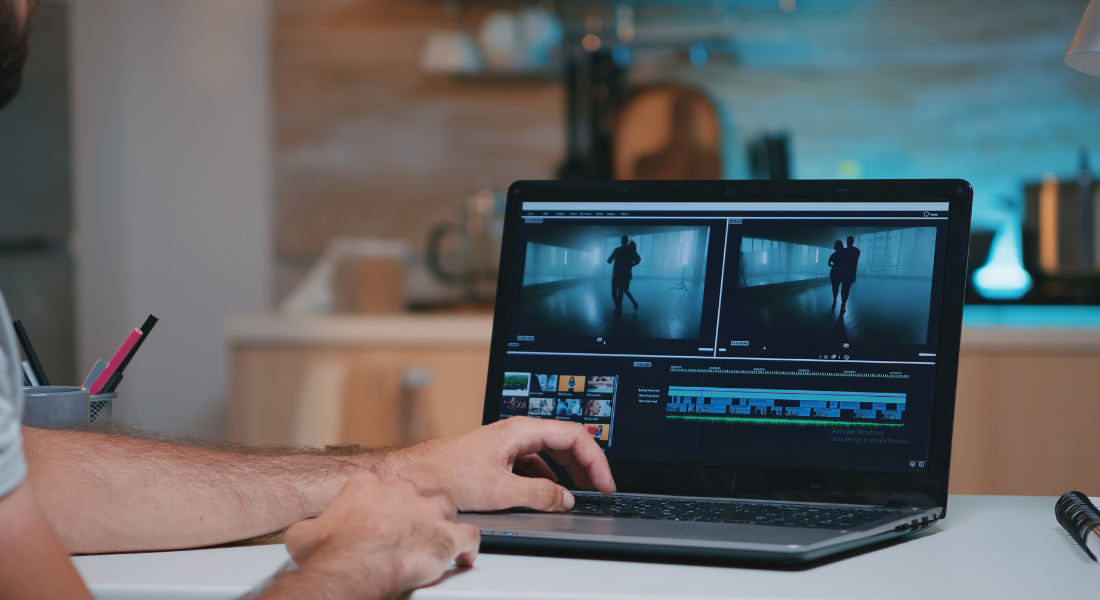
If your video includes spoken dialogue, product explanations, or voiceover narration, captions or subtitles are absolutely essential especially when designing for a sound-off experience. These text elements ensure that your message is still understood, even when the viewer can’t or chooses not to turn on the audio.
Captions should be clear, easy to read, and well-timed to sync with the visuals. Avoid placing them too low on the screen, where they might clash with interface elements like video player controls. Also, make sure they don’t cover key visuals or product demonstrations. Strategic placement is just as important as the text itself.
You have two main options:
- Burned-in (open) captions, which are permanently embedded into the video and look consistent across platforms.
- Platform-generated (closed) captions, which can be toggled on or off by the viewer and may vary in style or accuracy depending on the platform.
Whichever method you choose, prioritise clarity and consistency. Keep your subtitles short, punchy, and easy to scan ideally no more than two lines at a time. This is especially important on mobile devices, where viewers are likely to be skimming quickly or multitasking.
Additionally, avoid using overly complex language or jargon, unless absolutely necessary. Your goal is to reinforce the visuals, not compete with them. Captions should complement what’s happening on screen, not duplicate it word-for-word or distract from it.
Adding high-quality captions not only improves accessibility for those who are deaf or hard of hearing, but it also caters to mobile-first audiences and boosts viewer retention, which is crucial for demo videos trying to make an immediate impact.
Design for Visual-Only Understanding
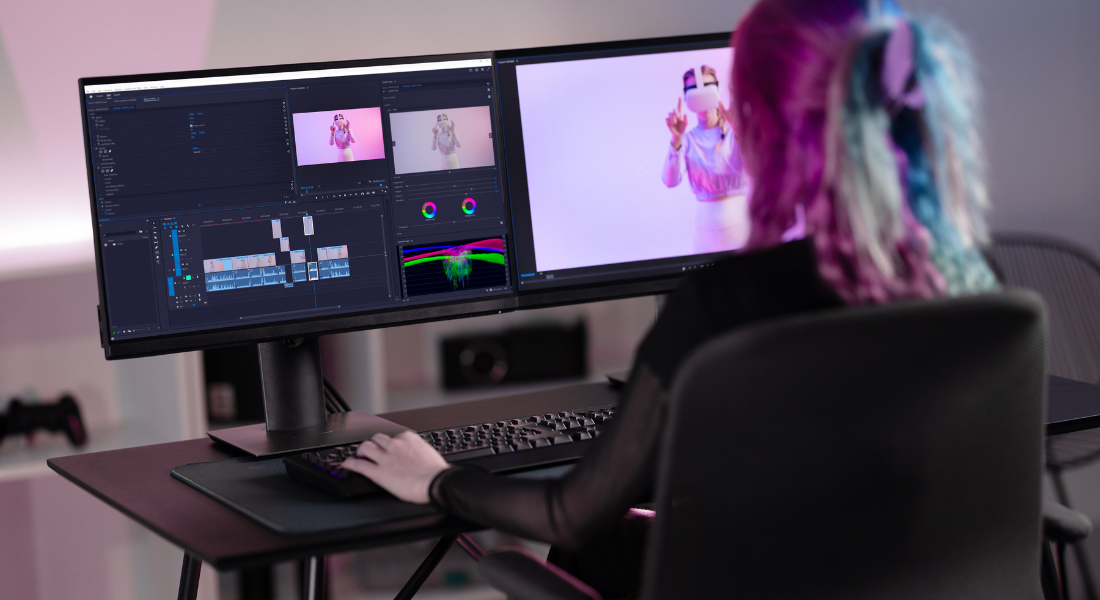
In a world where videos are often viewed in silence, your demo must be able to stand on its own without sound or explanation. This means your visuals should do the heavy lifting. Instead of relying on narration to describe what’s happening, aim to show every action and outcome in a way that’s instantly clear and intuitive.
Use visual cues to walk the viewer through each step. For software demos, this might include:
- Screencasts that highlight interface features in real time
- Animated mouse movements and clicks to show exactly where to go
- Zoom-ins or callout boxes to draw attention to key areas
- On-screen tooltips or labels to explain what’s being clicked or changed
If you’re showcasing a physical product, incorporate:
- Hand gestures to demonstrate functionality
- Close-up shots of buttons being pressed or features being used
- Step-by-step visuals that show what to do next without needing a word of explanation
You can also add icons, arrows, and motion graphics to further reinforce the flow and logic of the actions being shown. These elements help viewers understand what’s happening and why without requiring sound to make sense of it all.
Importantly, test your demo video with the sound off before publishing it. Watch it as if you’re a first-time viewer who has no background knowledge of the product. Can you clearly tell what’s being demonstrated? Does each step flow logically to the next? Could someone with zero context still grasp the value of what you’re showing?
Add Bold On-Screen Text

When your video is playing without sound, on-screen text becomes one of your most powerful communication tools. It acts as the narrator, guiding the viewer through your product’s features, steps, or benefits in real time. To make it effective, your text must be bold, clear, and visually integrated into the overall design of the video.
Use large, animated text overlays to introduce key ideas. Whether you’re showcasing a product feature, outlining the next step in a process, or highlighting a key benefit, on-screen text should be easy to read at a glance. Avoid overly decorative fonts that sacrifice readability clean, sans-serif fonts tend to work best, especially on smaller screens like smartphones.
Make sure your text is:
- Legible across devices: Test it on both desktop and mobile to ensure it doesn’t appear too small or crowded.
- Concise and punchy: Use short phrases that match quick-scrolling habits. Stick to essential points less is more.
- Well-timed: Don’t rush text on and off screen too quickly. Give viewers enough time to read comfortably.
- Visually distinct: Use bold weights, animated transitions, or highlight effects to draw attention when necessary.
Colour contrast is also key. While it’s important to stay consistent with your brand’s colour palette, text must stand out clearly against any background. That may mean adding a subtle drop shadow, a semi-transparent overlay, or a contrasting text box to ensure maximum readability.
Use Iconography and Visual Cues
In a silent demo video, visual cues become your language they help guide viewers, clarify actions, and communicate ideas quickly without overwhelming them. One of the most effective ways to do this is by using iconography and simple visual metaphors. These small but mighty elements can greatly enhance comprehension, especially when dealing with complex interfaces or abstract concepts.
Think beyond plain visuals and screenshots. Use icons such as:
- Arrows to indicate direction or progression
- Check marks to signal success or task completion
- Warning symbols to draw attention to important cautions
- Lightbulbs or info icons to suggest tips, explanations, or insights
- Emojis (sparingly) to add a human, relatable touch in informal contexts
Animated graphics like pulsing buttons, glowing highlights, or expanding frames can draw attention to specific areas without disrupting the viewer’s flow. These visual cues act like a guide, directing the viewer’s eye exactly where it needs to go whether it’s toward a CTA button, a product feature, or a navigation path.
For product or app walkthroughs, interactive-style cues are especially effective. These include:
- Cursor movement animations to simulate real user interaction
- Click indicators (like ripple effects or pop sounds shown visually) to show where to tap or select
- Visual response feedback (e.g., drop-downs opening, forms validating, buttons changing states) to demonstrate system behavior
Consistency is key. Use a cohesive visual language icons should follow the same style (outline, filled, flat, etc.), and their colour scheme should align with your brand palette. Repeating the same symbols or animation styles throughout the video helps build familiarity and reduces cognitive load, so viewers don’t have to relearn what each symbol means.
Leverage Motion and Transitions
Motion is one of the most powerful tools in your silent demo video toolkit. When used effectively, it can guide attention, signal progression, and enhance understanding all without saying a word. Smooth, purposeful transitions help maintain a steady rhythm, ensuring that viewers can follow along effortlessly from one step to the next.
Instead of relying on abrupt cuts or static slides, use animated transitions to create a visual narrative. For example:
- Zoom-ins or pans can focus the viewer’s attention on specific product features or areas of the interface
- Slide-ins or fade-ins can introduce text or icons in a way that feels natural and unintrusive
- Morphing effects can show before-and-after states or highlight transformation (e.g., toggling a feature on and off)
- Animated highlights or pulses can draw attention to interactive elements, such as buttons, sliders, or tooltips
This kind of motion not only makes your video look more polished, but also aids comprehension by mimicking real-life interaction. A zoom toward a button, for instance, signals that it’s important. A sliding transition between steps tells the viewer there’s a logical progression happening.
However, it’s crucial to strike a balance. Too much motion can quickly become overwhelming or distracting, especially if multiple animations are happening at once. Stick to a consistent animation style whether it’s smooth and subtle or bold and bouncy and use it sparingly to maintain a clean, focused experience.
Here are a few best practices to follow:
- Use motion intentionally, not just for visual flair
- Keep transitions short and smooth (usually under one second) to maintain pacing
- Avoid jarring effects like rapid zooms, erratic movements, or excessive rotation, which can feel chaotic on mobile screens
- Match motion with messaging a sliding text box should correspond with a shift in content or action, not appear randomly
Optimise for Mobile Viewing
Today, the majority of demo videos are watched on mobile devices and more often than not, they’re viewed silently, in transit, or on-the-go. That means your video must be designed specifically with small screens and mobile viewing behaviours in mind. What looks great on a laptop may fall apart on a 6-inch phone screen if you’re not careful.
First and foremost, text readability is critical. Use large, bold fonts that are legible without requiring zooming or squinting. Avoid placing important text or callouts too close to the edges of the frame, where they risk being cut off by platform UI elements like scroll bars or video controls. A general rule: maintain generous safe margins on all sides to ensure no essential information gets cropped.
Also, avoid overloading the screen with too much at once. Minimalism is your friend on mobile focus on one idea or action per shot. If you need to explain multiple steps, break them up into clear, digestible segments. This keeps the viewer from feeling overwhelmed and increases the likelihood they’ll watch to the end.
In addition to visual clarity, test how motion and timing feel on a smaller screen. What seems smooth and paced on a desktop might feel rushed or cramped on mobile. Use transitions and animations that are gentle and easy to follow, and leave enough time for viewers to absorb what they’re seeing especially when introducing features or steps via on-screen text.
Consider other mobile-specific viewing factors as well:
- Vertical or square formats often perform better than widescreen for social platforms like Instagram, TikTok, and Facebook
- Thumb zones keep touchpoints, buttons, and visual focus areas within reach zones for better usability in interactive demos
- High contrast visuals improve legibility in varying lighting conditions, such as outdoors or in glare-heavy environments
Lastly, always preview your final cut on an actual phone before publishing. Don’t rely solely on your editing software’s scaled-down preview window. Play the video in full-screen mode on different devices and assess:
- Is the text readable at a glance?
- Are icons and visual cues clear?
- Does the pacing feel right?
- Are any elements too close to the edge?
Optimising for mobile isn’t just about formatting it’s about ensuring your message lands with impact, regardless of where or how it’s being watched. A mobile-first mindset can dramatically improve retention, engagement, and the overall effectiveness of your demo video.
Test Across Platforms
Not all platforms treat video the same way, and what looks polished on one may appear broken or ineffective on another. LinkedIn, Instagram, YouTube, Twitter, Facebook each has its own quirks when it comes to video compression, autoplay behaviour, caption formatting, and screen ratio preferences. To ensure your demo video performs consistently and effectively across channels, it’s essential to test and optimise for each platform individually.
Start by understanding how each platform handles autoplay. On most platforms, videos autoplay on mute by default, but the size and format of the preview window can vary. For example:
- Instagram Reels and Stories often crop to a vertical 9:16 ratio
- LinkedIn shows a square or horizontal video in-feed with muted autoplay
- YouTube typically defaults to horizontal playback and may display a static thumbnail until play is pressed
- Facebook may compress your file more heavily, affecting visual quality
Because of these variations, always double-check that your captions, on-screen text, and key visuals remain fully visible and readable, regardless of the display format. Avoid placing text too close to the edges where it could get cropped, and ensure that callouts or interactive cues aren’t obscured by buttons, overlays, or platform elements.
Pay close attention to how each platform compresses your video, especially on mobile. Compression can reduce image quality, making fine details harder to see or causing blurred text. Export in platform-recommended formats and resolutions, and where possible, upload native versions rather than sharing from other platforms to avoid additional compression layers.
One particularly important tip: choose your autoplay preview frames wisely. In silent autoplay mode, the first few seconds or even a single frame can determine whether someone continues watching or scrolls past. Use visually compelling opening moments that clearly communicate value, show action, or pique curiosity without needing sound.
To truly optimise your results, go one step further and run A/B tests. Test different versions of your demo:
- One with more reliance on sound, and one built entirely for mute playback
- Different aspect ratios or design variations for Instagram vs. LinkedIn
- Caption styles or text placements that vary by audience or platform
Track metrics like watch time, engagement rate, click-throughs, and conversions to understand what’s working best for each platform and demographic. Over time, these insights will help you fine-tune your content for maximum reach and impact.
Final Thoughts: Design for a Sound-Off World
In today’s sound-off world, your demo video has to do more than look good it has to communicate clearly without saying a word. Focus on strong visuals, readable captions, and intuitive design. Let our demo video company experts help you create content that truly stands out contact us now.
