

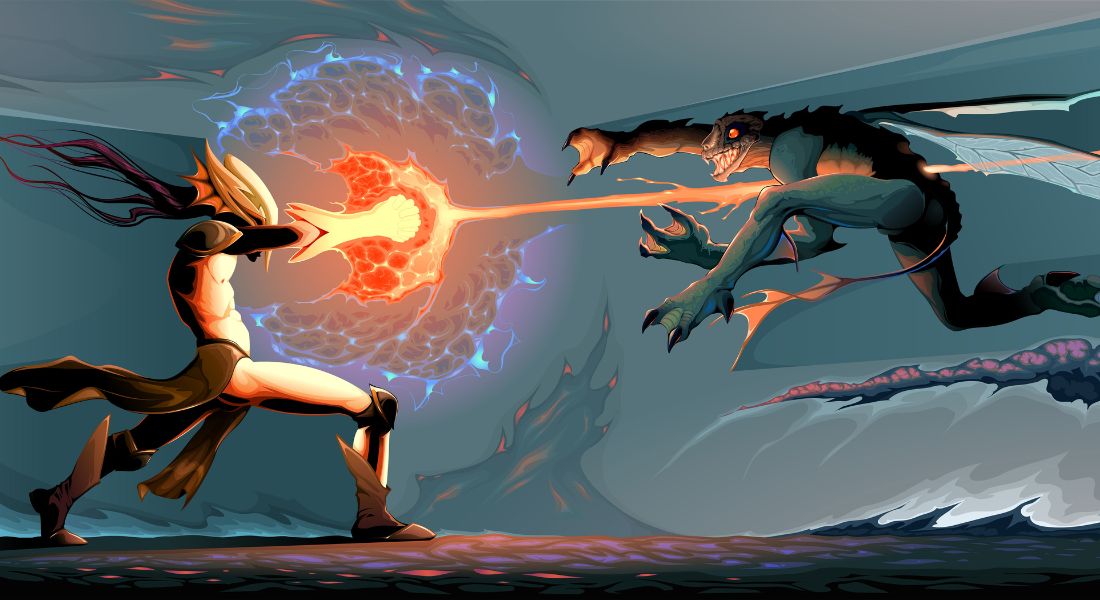
Anime, which began as a niche form of entertainment in Japan, has grown over the decades into a global cultural phenomenon with a devoted following spanning all ages and backgrounds. From its early beginnings with pioneering works like Astro Boy, anime has continuously evolved in both style and storytelling, pushing creative boundaries and experimenting with new animation techniques. Today, the genre is no longer confined to Japan; it enjoys immense popularity worldwide, thanks in large part to the rise of international streaming platforms that bring anime to millions of viewers at the click of a button. Along the way, anime has not only shaped entertainment trends but also influenced fashion, music, and even technology, leaving an indelible mark on global pop culture. In this article, we will take an in-depth journey through the history of anime, exploring its technological transformations, iconic milestones, and the ways in which it has expanded far beyond its original cultural roots to captivate audiences across the globe.
Over the years, anime has continually reinvented itself, embracing a wide range of genres and storytelling styles that appeal to diverse audiences. From action-packed shonen adventures and heartwarming slice-of-life tales to thought-provoking psychological dramas and fantastical science fiction epics, anime offers something for everyone. Its ability to blend complex narratives with visually stunning animation has helped it capture the imagination of viewers around the world. Moreover, the growing accessibility of anime through online streaming services and social media platforms has allowed fan communities to flourish, connecting people across continents and creating a truly global fandom. This widespread reach has transformed anime from a regional curiosity into a powerful cultural force that continues to influence entertainment and storytelling worldwide.
1. The Birth of Anime: Astro Boy and the Early Years
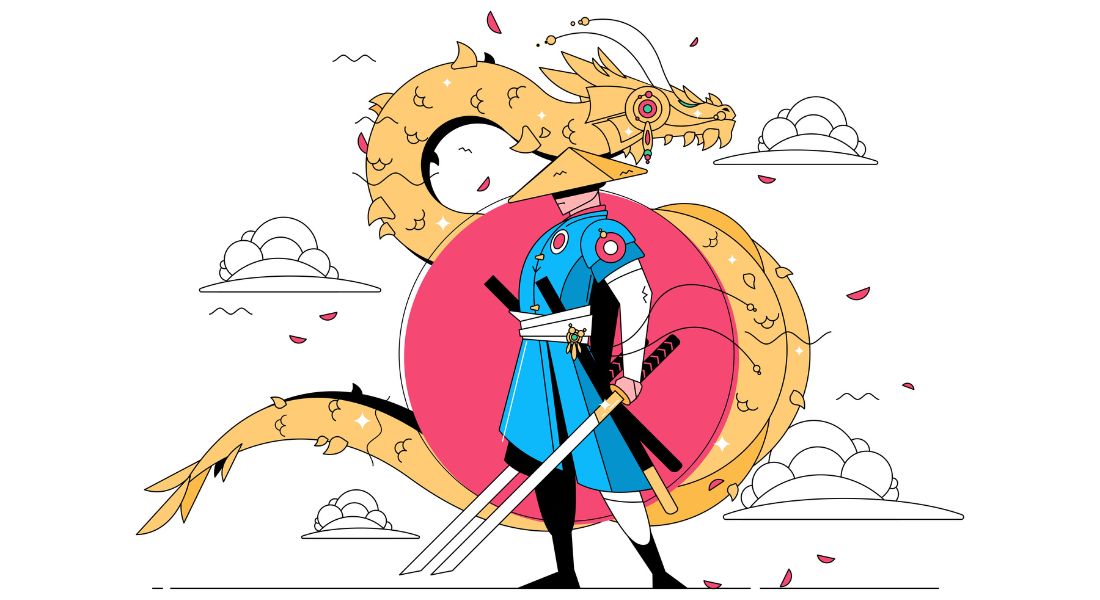
Anime’s origins can be traced back to the early 1960s, a period of rapid cultural, technological, and social change in post-war Japan. During this era, Japanese society was experiencing a fascination with science, technology, and modernity, which naturally found its way into popular culture. Among the most important milestones of this period was the creation of Astro Boy (Tetsuwan Atom), conceived by the legendary manga artist and animator Osamu Tezuka. Widely regarded as the first true anime series, Astro Boy introduced a distinctive animation style that would define the medium for decades to come. Its hallmark features included large, expressive eyes, exaggerated facial expressions, dynamic movement, and imaginative futuristic settings, all of which allowed viewers to emotionally connect with its characters while being immersed in extraordinary narratives.
Beyond its visual innovations, Astro Boy explored complex themes that were remarkably advanced for a children’s show. The series delved into ideas about artificial intelligence, robotics, morality, and the relationship between humans and machines, raising questions about ethics and humanity that remain relevant in science fiction today. By blending exciting action sequences with emotional depth and philosophical undertones, Astro Boy showed that anime could be more than entertainment it could be a medium for storytelling with substance, capable of engaging audiences of all ages. Its widespread success marked the beginning of anime’s evolution into a cultural phenomenon and demonstrated its potential to become an exportable form of entertainment beyond Japan’s borders.
Key Milestones in Early Anime
- Astro Boy (1963): This series not only captivated Japanese audiences but also paved the way for serialized storytelling in animation. It proved that television could be a platform for long-form, character-driven narratives, setting a precedent for all future anime series. Its success highlighted the potential for animated works to explore mature themes while still being accessible to younger viewers.
- Speed Racer (1967): Known in Japan as Mach GoGoGo, this series became one of the first anime shows to achieve international popularity, particularly in the United States. Its high-speed racing sequences, adventurous plotlines, and memorable characters made it a hit among children, while its striking visual style introduced Western audiences to a distinctly Japanese form of animation. Speed Racer demonstrated that anime could cross cultural boundaries and laid the groundwork for future global distribution.
- The Rise of Anime Studios: The 1960s also witnessed the emergence of pioneering studios like Toei Animation and Mushi Production. These studios were central to shaping the industry, producing content that would eventually become timeless classics. They experimented with various genres from fantasy and adventure to science fiction and comedy broadening the creative possibilities of anime and establishing the infrastructure needed for a sustainable animation industry.
- Innovation in Storytelling and Production: Facing limited budgets and tight production schedules, early anime creators developed innovative techniques such as limited animation, repeated frames, and stylized character designs. These constraints fostered a unique aesthetic, giving anime its signature look and feel while encouraging imaginative storytelling. The creative solutions developed during this period became defining features of the medium and influenced generations of animators.
- Cultural Impact and Legacy: These early anime series not only laid the foundation for the industry but also had a lasting cultural impact. They inspired future generations of artists, writers, and animators, both in Japan and abroad. By demonstrating that animated works could combine entertainment, artistic expression, and intellectual engagement, the early years of anime set the stage for the medium’s global expansion and enduring popularity.
In summary, the pioneering works of the 1960s, led by Astro Boy and bolstered by series like Speed Racer, were instrumental in establishing anime as a serious and influential form of storytelling. Through creative innovation, ambitious narratives, and imaginative visuals, these early shows created a blueprint for the rich and diverse anime industry that continues to captivate audiences worldwide today.
2. The Golden Age of Anime: From Studio Ghibli to International Recognition

By the 1980s and 1990s, anime had evolved far beyond its early beginnings, developing into a sophisticated art form with a growing global fanbase. This era is often referred to as the “Golden Age” of anime, a period marked by artistic innovation, storytelling ambition, and international recognition. A major driving force during this time was Studio Ghibli, co-founded by Hayao Miyazaki and Isao Takahata. The studio redefined the possibilities of animated filmmaking, producing visually stunning films that combined breathtaking artistry with emotionally rich and thought-provoking narratives. Works such as My Neighbor Totoro (1988) captured the imagination of audiences with its whimsical charm and gentle exploration of childhood innocence, while Spirited Away (2001) went on to win the Academy Award for Best Animated Feature, solidifying anime’s reputation as a serious cinematic medium worldwide.
This period also saw the rise of influential anime series that captured the attention of global audiences. Dragon Ball Z (1989) became one of the most iconic and widely recognised anime of all time, known for its action-packed battles, memorable characters, and epic storytelling arcs. Its success was instrumental in bringing anime into mainstream consciousness, particularly in North America, where it attracted a dedicated following and helped pave the way for other anime series to gain international exposure.
Key Milestones in the Golden Age
- Studio Ghibli: The studio became synonymous with high-quality animation and deeply immersive storytelling. Its films combined detailed hand-drawn animation, imaginative worlds, and compelling characters, demonstrating that animated works could resonate emotionally with both children and adults. Studio Ghibli’s influence extended beyond Japan, inspiring filmmakers and animators across the globe.
- Dragon Ball Z (1989): This long-running series became a cultural phenomenon, defining the shonen genre and influencing countless anime that followed. Its combination of adventure, martial arts, and character-driven storytelling attracted fans worldwide and contributed significantly to anime’s mainstream rise.
- The Expansion of Anime Networks: During this period, networks like Cartoon Network, Nickelodeon, and syndicated programming in various countries helped bring anime to a wider international audience. Shows were dubbed or subtitled, allowing non-Japanese viewers to experience the stories and visual style of anime, creating a foundation for the global fandom that continues to thrive today.
- Artistic and Technical Advancements: The Golden Age was also a time of significant technical innovation. Advances in animation techniques, colour processing, and special effects allowed creators to produce more detailed and visually engaging works. This era pushed anime beyond simple entertainment, establishing it as a legitimate artistic medium capable of complex storytelling and emotional depth.
This period marked a pivotal shift in anime’s trajectory, as it moved beyond being a domestic phenomenon to gaining international acclaim. By blending artistry, storytelling, and innovation, the Golden Age laid the groundwork for anime’s global expansion and cemented its place as a major force in both popular culture and cinematic history. Audiences worldwide began to see anime not just as children’s entertainment, but as a versatile and compelling medium capable of appealing to all ages.
3. The Digital Revolution: Streaming Giants and Global Expansion

The 2000s ushered in a technological revolution that dramatically reshaped the anime industry, fundamentally changing how anime was produced, distributed, and consumed. With the advent of digital animation and the widespread adoption of the internet, creators were able to experiment with new techniques, streamline production processes, and reach audiences far beyond Japan’s borders. Unlike the previous era, where anime was largely dependent on television networks and physical media, this new digital landscape allowed for instant global accessibility, fundamentally transforming anime into a worldwide phenomenon.
A key driver of this transformation was the rise of streaming services. Platforms such as Netflix, Crunchyroll, and Funimation made it possible for fans across the globe to access anime legally and conveniently, often simultaneously with Japanese releases. These services provided subtitles and dubbing in multiple languages, opening the medium to viewers who had previously struggled to find or understand anime content. As a result, the industry experienced unprecedented international growth, with shows now capable of reaching millions of viewers within days of release.
Key Milestones in the Digital Era
- Streaming Platforms: Crunchyroll, Netflix, Funimation, and later Amazon Prime Video became central hubs for anime distribution. Their role went beyond mere access they fostered global fandom, promoted lesser-known series, and gave international audiences the opportunity to engage with anime in ways that were previously impossible.
- The Growth of Online Communities: Social media, fan forums, and platforms like Reddit, Discord, and YouTube created vibrant spaces for anime enthusiasts to share reviews, discuss theories, and showcase fan art and cosplay. These communities strengthened the global anime culture, encouraging collaboration, creativity, and a shared passion that transcended borders.
- High-Tech Animation: The digital revolution also transformed the production side of anime. The introduction of computer-generated imagery (CGI), 3D animation, and advanced post-production techniques allowed animators to create visually stunning works that pushed the boundaries of the medium. Series such as Attack on Titan, Demon Slayer, and One Punch Man showcased the potential of high-tech animation, combining traditional hand-drawn artistry with modern digital enhancements to deliver breathtaking visuals that appealed to both longtime fans and newcomers alike.
- Global Collaborations and Licensing: Digital distribution enabled collaborations between Japanese studios and international companies, further boosting the global presence of anime. Licensing deals, co-productions, and cross-cultural projects expanded the reach of anime beyond Asia, creating opportunities for diverse storytelling and cultural exchange.
The digital revolution has fundamentally redefined anime as both an art form and an industry. By leveraging technology, streaming platforms, and online communities, anime has become more accessible than ever, attracting a diverse, global audience and cementing its status as a major cultural force. Today, the medium continues to evolve at a rapid pace, blending traditional artistry with cutting-edge technology and reaching fans in every corner of the world.
4. The Impact of Streaming: Anime’s Mainstream Domination
By 2025, anime had firmly cemented itself as a mainstream entertainment medium, largely due to the widespread adoption of streaming platforms. Shows that were once considered niche or limited to small fan communities now attracted millions of viewers worldwide. The accessibility and convenience offered by these platforms transformed how audiences discovered, consumed, and engaged with anime, creating a global demand that fueled the production of more diverse and ambitious content. As a result, anime experienced not only higher production budgets but also more frequent releases, improved animation quality, and a willingness to explore a broader range of genres and themes.
Anime’s Dominance in Streaming
- Netflix and Global Access: Netflix played a crucial role in introducing anime to mainstream audiences worldwide. By offering an extensive catalogue of both classic and contemporary titles, as well as investing in original productions like Castlevania, Yasuke, and Cyberpunk: Edgerunners, Netflix helped bring anime into the daily viewing habits of millions. The platform’s global reach allowed shows to be released simultaneously in multiple regions, often with subtitles and dubbing, ensuring that anime was no longer confined to Japanese-speaking audiences.
- Crunchyroll’s Role: As a platform dedicated exclusively to anime, Crunchyroll became a central hub for fans to access both new releases and classic series. Its simulcast system, community forums, and curated recommendations strengthened global fandom, providing viewers with immediate access to episodes as they aired in Japan. Crunchyroll’s model not only promoted fan engagement but also encouraged the growth of international fan communities, fostering discussions, fan art, and cosplay culture across social media platforms.
- Cultural Impact: Anime’s mainstream success extended far beyond streaming platforms. Its influence permeated fashion, art, music, and video games, shaping global pop culture and inspiring creators across multiple industries. Iconic character designs, stylistic aesthetics, and storytelling techniques have become a part of mainstream media, and anime conventions, cosplay events, and fan meetups now occur worldwide, connecting fans across continents. The genre’s cultural impact also contributed to a wider appreciation of Japanese traditions, language, and contemporary culture, reinforcing anime’s role as a soft power for Japan internationally.
- Economic and Industry Influence: The mainstreaming of anime has had a profound effect on the entertainment industry. Studios now invest heavily in high-quality animation, often producing multiple seasons of popular titles and experimenting with spin-offs, merchandise, and multimedia adaptations. The success of streaming has also encouraged international collaborations, enabling studios to secure funding from global partners and create content with cross-cultural appeal.
Through the ubiquity of streaming platforms, anime has evolved from a niche interest into a global powerhouse of entertainment. Its mainstream status has transformed the industry, enabling creators to reach wider audiences, innovate creatively, and influence global culture in unprecedented ways. By 2025, anime is not just a genre it is a cultural phenomenon with a lasting impact on entertainment, art, and international media.
5. What’s Next for Anime? The Future of the Industry
The future of anime looks bright, with technologies like AI-driven animation, virtual reality (VR), and augmented reality (AR) beginning to reshape the industry. These innovations promise faster production, more creative experimentation, and immersive experiences that take storytelling to a new level.
What to Expect in the Coming Years:
AI and Animation: AI can automate repetitive tasks, like in-betweening or colouring, allowing animators to focus on creativity. It also enables experimentation with new artistic styles, making anime visually fresh and innovative.
Virtual and Augmented Reality: VR offers immersive worlds where viewers can explore and interact with characters, while AR can bring anime into real-life spaces, creating engaging hybrid experiences.
Global Growth: As anime reaches wider audiences worldwide, international collaborations and diverse storytelling will flourish, reflecting varied cultural perspectives and appealing to global fans.
Overall, the future of anime promises to blend technology and creativity, delivering more interactive, visually stunning, and globally resonant stories than ever before.
Final Thought: Anime’s Continuing Evolution
Anime’s journey from Astro Boy to today’s streaming giants highlights its remarkable evolution as both an art form and a cultural force. What began as a niche Japanese medium has grown into a global phenomenon that influences fashion, art, gaming, and storytelling worldwide. As technology advances, the possibilities for creative innovation are endless. If you’re curious about how cutting-edge animation techniques can elevate your projects, you can contact our animation company in London to take your content to the next level.
