


In today’s fast-paced digital landscape, keeping viewers engaged throughout an entire video has become increasingly difficult. With endless content competing for attention and shorter-than-ever attention spans, most people drop off within the first few seconds unless you give them a compelling reason to stay. That’s where gamification can make a significant difference.
Gamification refers to the use of game-like elements such as points, levels, timers, badges, progress bars, quizzes, and decision-making mechanics in non-game contexts. When applied to video content, these elements can transform a passive viewing experience into an active and immersive journey. Instead of just watching a video, your audience becomes part of the experience. They’re motivated to interact, explore, and even come back for more.
By integrating interactive challenges, real-time choices, and visual indicators of progress, you give viewers a sense of control and accomplishment. This not only makes the video more enjoyable but also keeps people watching longer, improves information retention, and drives higher conversion rates whether your goal is education, marketing, or lead generation.
As more brands and educators embrace this interactive approach, gamification is fast becoming a must-have strategy in the video content toolkit. Whether you’re creating a product demo, training module, explainer, or sales video, adding gamified elements can turn casual viewers into active participants and ultimately, loyal customers or learners. It encourages repeat viewing, increases completion rates, and helps build a deeper connection between your content and your audience. In a world where attention is currency, gamification helps ensure your message isn’t just seen it’s experienced.
In this article, we’ll break down how gamified video content boosts engagement and viewer retention. We’ll also share actionable strategies and real-world examples to help you make your videos more interactive, compelling, and successful in holding your audience’s attention from start to finish.
Why Gamification Works to Keep Viewers Engaged

Gamification taps into fundamental human psychology the desire for achievement, recognition, and a sense of purpose. When applied to video content, it transforms a traditionally passive experience into something more interactive and rewarding. Rather than just watching, viewers become participants, which increases emotional investment and encourages them to stay with your content for longer.
Here’s a closer look at why gamified videos are so effective in maintaining viewer attention:
1. Increased Motivation
Gamified videos give viewers a reason to keep watching beyond just the content itself. Whether it’s unlocking a new section, completing a mini-challenge, or hitting a milestone, each interaction builds anticipation. Seeing their own progress displayed visually through meters, achievements, or unlocked levels offers a psychological boost. This feeling of moving forward motivates viewers to continue watching all the way to the end, especially when they’re curious about what comes next.
Even subtle elements, like feedback sounds or visual cues when a task is completed, can satisfy the brain’s reward system. This helps viewers feel that their time and attention are being well spent, making them less likely to click away.
2. Active Participation
Traditional video is a lean-back experience. Gamified content, on the other hand, invites viewers to lean in. Instead of sitting back and watching passively, viewers are prompted to take action whether that means choosing a path in a branching storyline, answering quiz questions, dragging and dropping elements, or interacting with clickable hotspots.
This kind of interaction increases cognitive engagement. The more viewers are mentally involved, the more likely they are to absorb the information you’re presenting. Active participation keeps the brain alert, reducing the temptation to get distracted, zone out, or multitask. It also creates a personal connection to the content, which can significantly boost recall and emotional engagement.
3. Sense of Progress
One of the most effective psychological motivators is progress. When viewers can track how far they’ve come whether through a progress bar, checkpoint system, or visual journey map they’re more inclined to finish what they started. Knowing they’re “80% done” can push them to watch just a little longer to reach that 100%.
Progress tracking also provides structure. Viewers aren’t just wandering through content aimlessly they have a clear sense of direction and achievement. This is especially useful for educational or training videos, where building confidence step-by-step is critical for retention.
4. Rewards and Recognition
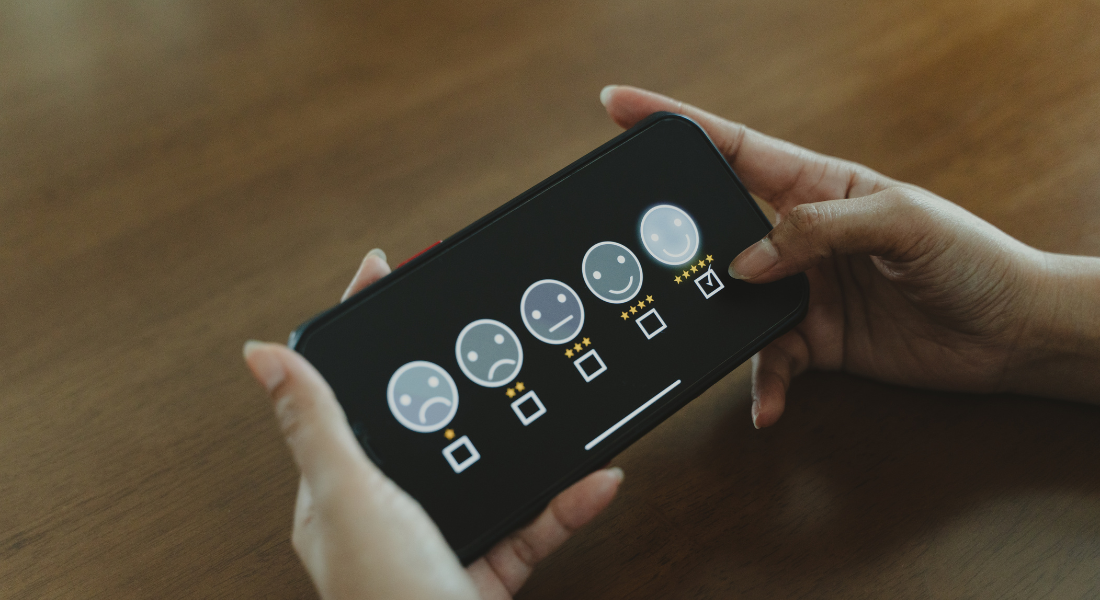
Everyone likes to feel accomplished, and gamification builds that sense of achievement right into the video experience. Whether you’re offering digital badges, certificates of completion, leaderboards, unlockable content, or even just congratulatory animations, these small touches can have a big impact.
Rewards reinforce positive behaviour. If a viewer gets acknowledged for correctly answering a quiz or completing a module, they’re more likely to continue engaging with your content and come back for more in the future. In business contexts, these incentives can also be tied to real outcomes, such as discounts, exclusive access, or downloadable bonuses.
Gamification helps create a feedback loop: viewers act, receive recognition, feel rewarded, and become more likely to keep engaging. This is a powerful way to build long-term viewer loyalty.
Gamification Techniques to Boost Video Engagement

To keep viewers engaged from start to finish, your video content needs to go beyond the traditional linear format. By integrating game-like mechanics, you can turn a standard viewing experience into something far more interactive, enjoyable, and memorable. Whether you’re aiming to educate, entertain, or sell, these gamification strategies can help boost watch time, participation, and viewer satisfaction.
Here are some proven techniques you can use to bring your videos to life and keep your audience hooked:
1. Progress Bars
Progress bars are one of the simplest yet most effective gamification tools. They provide viewers with a visual representation of how far they’ve come and how much is left to go helping to frame the video as a goal-oriented journey rather than a passive experience.
Example:
In a step-by-step tutorial, a segmented progress bar at the bottom of the screen can indicate each phase of the learning process (e.g., “Intro > Setup > Execution > Review”). As viewers see the bar gradually fill up, they’re encouraged to stick around to complete the full sequence.
Why it works:
People naturally want to finish what they’ve started. A progress bar creates a subtle psychological nudge that builds momentum and prevents early drop-offs.
Tip:
Use a dynamic progress bar that updates in real time as viewers move through the content. This reinforces their sense of progression and keeps them engaged, especially in longer videos.
2. Interactive Questions and Quizzes
Interactive quizzes and knowledge checks offer a fun and effective way to engage viewers, especially in educational, training, or explainer videos. By prompting the audience to actively recall information or form opinions, you increase retention and involvement.
Example:
In an e-learning video, insert short multiple-choice questions at key moments. Correct answers can unlock bonus content, while incorrect responses could trigger brief explanations or hints to encourage learning.
Why it works:
Asking viewers to respond during the video keeps their brains actively engaged. It transforms them from passive observers into participants, which increases both focus and memory recall.
Tip:
Keep the questions concise and relevant to the material just covered. Use immediate feedback to reinforce learning and boost confidence, and avoid overloading the viewer with too many interruptions.
3. Challenges and Tasks
Setting mini challenges within your video gives viewers clear goals to achieve, adding an element of excitement and accomplishment. These challenges can be embedded in the video itself or extend beyond it like encouraging viewers to take real-world actions.
Example:
In a guided fitness video, challenge users to complete a certain number of reps or rounds within a set time, then invite them to record their results. Completing all the tasks might unlock a downloadable meal plan or next-level workout.
Why it works:
Challenges activate goal-oriented behaviour and create a sense of personal investment. Even simple tasks can build a sense of momentum that keeps viewers returning for the next video in the series.
Tip:
Design challenges that are achievable yet slightly demanding. This balance keeps viewers motivated while also giving them a feeling of accomplishment, especially if there’s a reward or recognition at the end.
4. Decision-Based Videos
Also known as branching or choose-your-own-adventure videos, decision-based formats allow viewers to shape the narrative based on their preferences. This interactive storytelling technique creates a powerful sense of agency.
Example:
In a product demo video, viewers might be asked, “What’s most important to you price, features, or customer support?” Based on their selection, the video shows tailored content that dives deeper into their chosen interest.
Why it works:
Giving viewers control over what they watch next makes them feel more connected and in control of the experience. It also ensures the content feels personalised, which leads to higher satisfaction and longer watch times.
Tip:
Limit each decision point to 2–3 clear, meaningful choices. Make sure all paths lead to valuable content so that no matter what viewers pick, they stay engaged and feel rewarded.
5. Real-Time Feedback and Scores
Real-time feedback mechanisms, such as scoring systems, instant responses, or encouragement messages, add a game-like feel to your videos. They offer immediate gratification and validate the viewer’s actions.
Example:
In a workplace training module, viewers earn points for answering questions correctly or making smart decisions in a simulated scenario. At the end, they receive a badge or digital certificate if they reach a certain score threshold.
Why it works:
Instant feedback reinforces viewer behaviour and helps them stay focused on the task at hand. It also adds a fun, competitive element that can make even serious content feel more engaging.
Tip:
Celebrate viewer milestones such as earning 100 points, completing a section, or watching the full video with small rewards. These can be digital, like a congratulatory message, or tangible, like a coupon code or downloadable resource.
Tools to Add Gamification to Your Videos
Thanks to a growing number of platforms and plugins, creating gamified video content is no longer reserved for developers or large production teams. With the right tools, you can easily integrate interactive and game-like elements into your videos to capture viewer attention, boost participation, and enhance overall engagement.
Here are some of the most effective tools to help you bring gamification into your video strategy:
1. H5P
H5P (short for HTML5 Package) is an open-source content creation platform that enables you to add rich interactive features to video content without any coding required. It’s widely used in educational and training contexts for embedding interactive quizzes, fill-in-the-blank exercises, drag-and-drop challenges, flashcards, and hotspots directly into videos.
Use it for:
• Adding checkpoint quizzes to assess viewer understanding
• Creating scenario-based learning with multiple-choice questions
• Reinforcing key takeaways with interactive timelines or cards
Why it works:
H5P keeps viewers mentally engaged and turns passive watching into an active learning experience. Since it integrates with popular platforms like Moodle, WordPress, and Canvas, it’s particularly valuable for online educators and instructional designers.
2. Wirewax
Wirewax is a powerful interactive video platform that enables you to build sophisticated, decision-based videos where users can choose their own path. Its drag-and-drop interface allows you to insert clickable hotspots, navigation options, and branching scenarios that adapt to viewer input.
Use it for:
• Product demos that adapt to individual preferences
• Choose-your-own-adventure storytelling
• Creating clickable overlays that offer deeper context or CTAs
Why it works:
Wirewax gives viewers a sense of agency. By allowing them to shape their experience, they become more invested in the outcome resulting in higher engagement and longer watch times. Plus, detailed analytics show how viewers interacted with each element.
3. Vimeo (Interactive Video Suite)
Vimeo, long known as a premium video hosting platform, now offers interactive video tools that make it easy to add gamification elements like in-video polls, clickable CTAs, and chapter navigation. Their analytics dashboard also lets you monitor viewer engagement in real time.
Use it for:
• Creating branching logic with interactive buttons
• Polling your audience on preferences or opinions
• Guiding viewers through a multi-step sales funnel with clear CTAs
Why it works:
Vimeo’s interactive suite makes it easy to engage viewers without needing third-party plugins. It’s a great choice for marketers and business owners who want to keep everything within one platform and access real-time engagement data.
4. Kahoot
Kahoot is a widely popular quiz-based platform originally designed for classrooms but its gamified format makes it ideal for corporate training, webinars, and e-learning videos as well. While Kahoot itself isn’t a video editor, it can be embedded into or run alongside videos to increase participation.
Use it for:
• Adding live quiz sessions during webinars or virtual events
• Creating team competitions during training videos
• Testing comprehension after watching educational segments
Why it works:
Kahoot taps into competitive instincts and is especially effective in group settings. With options to assign points, display leaderboards, and offer timed challenges, it keeps learners engaged and motivated throughout the experience.
5. Playlyfe
Playlyfe is a robust gamification platform that focuses on building game mechanics like rewards, levels, challenges, and point systems that you can layer on top of video content. Although not a video editor itself, it can be integrated with your digital content or LMS to create a cohesive gamified experience.
Use it for:
• Assigning points for video completion or quiz results
• Tracking user progress and awarding badges
• Creating long-term engagement through challenge-based learning journeys
Why it works:
Playlyfe is ideal for enterprise-level learning and development initiatives, where sustained engagement and behaviour change are key goals. It’s particularly useful when you want to gamify a series of videos or create multi-step programs with cumulative rewards.
Choosing the Right Tool for Your Goals
Each of these tools offers different strengths depending on your use case. For education and training, H5P and Kahoot are excellent choices. For marketing and interactive storytelling, Wirewax and Vimeo provide strong visual control. For gamified systems with complex reward logic, Playlyfe offers serious customisation.
Tip:
Before selecting a tool, consider your primary objective whether it’s boosting viewer retention, improving learning outcomes, or increasing conversions. Also think about your audience: Do they prefer quick interactions or deeper, story-driven experiences?
Final Thoughts: Why Gamification Matters
Gamified video content is a powerful tool for keeping viewers engaged, increasing watch time, and encouraging interaction. By incorporating elements like progress bars, interactive quizzes, and challenges, you can transform passive viewers into active participants and create a more immersive experience.
You can contact our gamification agency in London to take your content to the next level. Whether you’re looking to gamify your marketing videos or training content, we’re here to help you create engaging, interactive experiences that hold your audience’s attention.
