
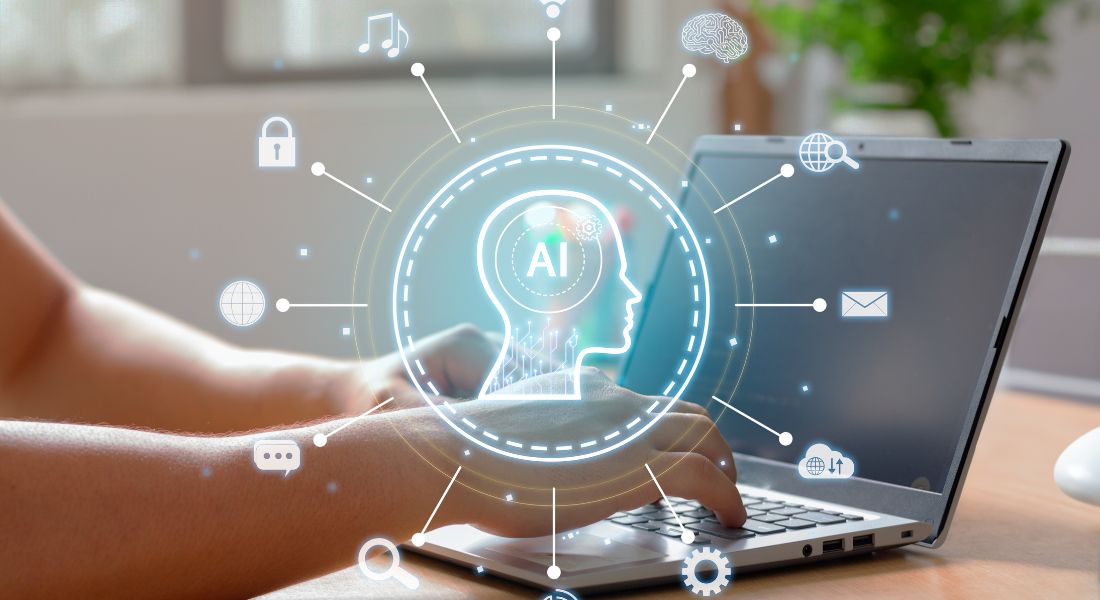
Generative AI is no longer science fiction it has arrived, and it is transforming the creative industries at a pace few could have predicted. From animation studios and graphic design firms to advertising agencies and marketing departments, AI-driven tools are enabling professionals to produce work faster, explore new artistic directions, and push creative boundaries in ways that were once unimaginable.
On one hand, these technologies offer incredible opportunities. Designers can quickly generate mock-ups, marketers can personalise campaigns at scale, and animators can test visual styles without the traditional time and cost barriers. AI allows creators to experiment more freely, iterate faster, and sometimes even unlock creative concepts they might not have reached on their own. For many, this feels like a democratisation of creativity, lowering barriers for smaller teams and independent artists who now have access to tools once reserved for major studios with big budgets.
Yet, alongside these opportunities come pressing challenges. Questions about originality and authorship are front and centre. If an AI generates an image or writes a script, who truly owns the rights? Legal frameworks around copyright and intellectual property have not fully caught up with these advances, leaving many creators in a grey area. Job security is another concern. While some see AI as a supportive tool that enhances human creativity, others fear it may eventually replace certain roles, particularly those involving repetitive design or content creation tasks.
Another crucial factor to consider is the human touch in creativity. While AI can replicate styles, generate patterns, or even mimic famous artists, it lacks the lived experience, emotions, and cultural awareness that fuel truly groundbreaking ideas. Creative work often carries layers of meaning rooted in personal perspective, societal context, and shared human experience elements that machines cannot authentically reproduce. This suggests that while AI can be a powerful collaborator, it is unlikely to fully replace the nuanced originality that human creators bring to the table.
The debate is ongoing: is generative AI a partner that empowers creatives, or a disruptor that undermines traditional craftsmanship? The truth likely lies somewhere in between. What’s clear is that the creative industries are entering a new era one where human imagination and machine intelligence will need to find a balance that values innovation while protecting the integrity of creative work.
How Generative AI Is Changing the Creative Landscape
Animation:
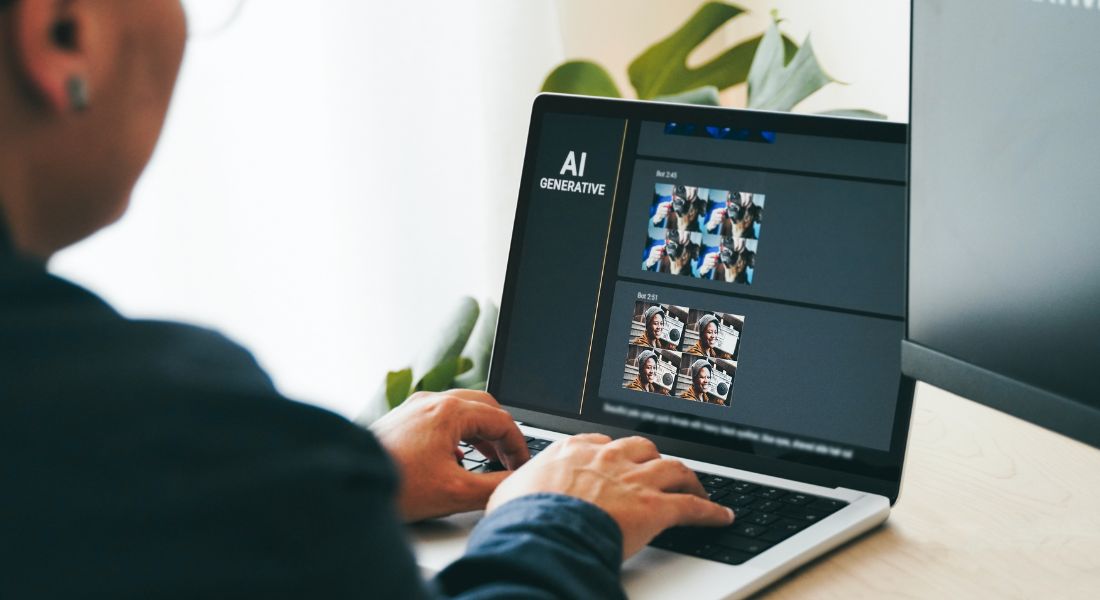
In animation, generative AI is proving to be a true game-changer. Beyond automating time-consuming tasks, it can assist with inbetweening frames, applying style transfers, and generating character motions with remarkable accuracy. This not only speeds up the production pipeline but also allows animators to devote more energy to creative storytelling, character development, and world-building. Independent creators and smaller studios, who once struggled with resource constraints, now have the opportunity to produce high-quality animations that can compete with large-scale productions. AI also opens doors for experimentation artists can test visual styles, lighting, and motion sequences in real time without waiting through long rendering processes. Ultimately, AI helps bring ambitious ideas to life faster, without sacrificing the artistry that makes animation so powerful.
Design:
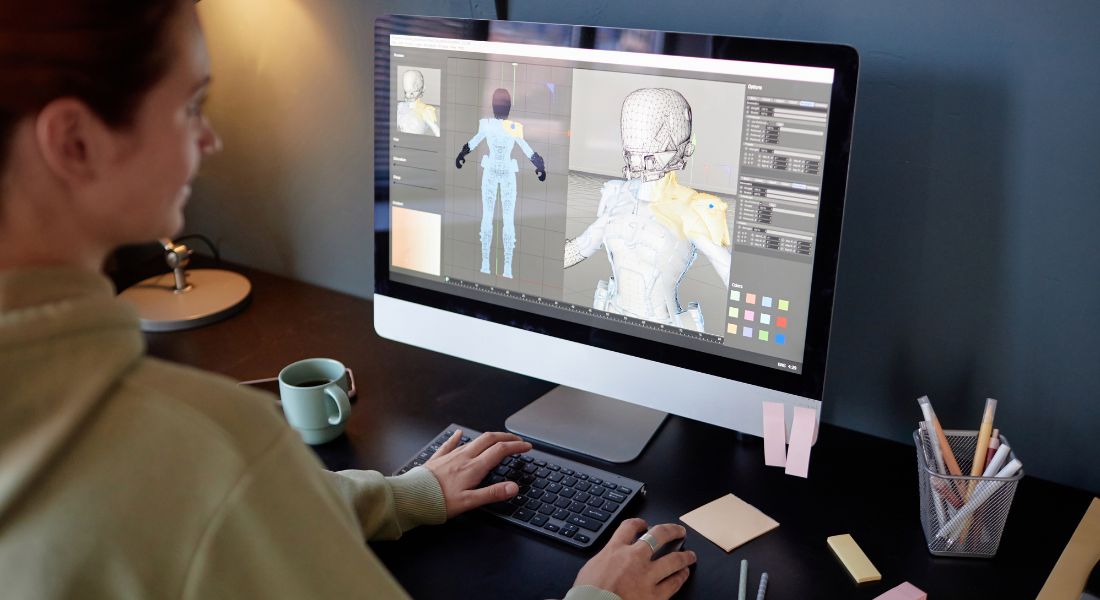
In the world of design, generative AI is revolutionising how concepts are created, refined, and executed. Designers can now leverage AI to generate multiple iterations of a project within minutes, experiment with diverse colour palettes, or explore unusual compositions that might not have been imagined manually. For example, AI can suggest fresh logo variations, unique pattern designs, or layout options tailored for different platforms and audiences. It acts as a creative partner that sparks inspiration while leaving the designer in control of final choices. Instead of spending hours on repetitive drafts, professionals can focus more on strategic thinking and storytelling. This blending of human creativity with machine efficiency accelerates workflows while encouraging greater artistic exploration.
Marketing:

Marketing is another industry where AI is having an enormous impact. Generative AI can produce copy, visuals, scripts, and even full campaign concepts at scale, enabling brands to stay relevant in fast-paced markets. It allows teams to A/B test creative variations instantly, track engagement data, and refine campaigns in real time. Perhaps most importantly, AI enhances personalisation. Instead of delivering generic messages, marketers can generate tailored campaigns that speak directly to specific demographics, interests, or even individual customers. This level of precision was once unimaginable at scale but is now achievable with AI-driven tools. In a digital world where consumer attention spans are shrinking, the ability to create fast, customised, and engaging content is a major advantage.
Film and Music:
Generative AI is also beginning to reshape the film and music industries. In filmmaking, AI tools can generate realistic visual effects, enhance editing processes, or even suggest storyboards based on a director’s script. Musicians, on the other hand, are using AI to experiment with melodies, harmonies, and soundscapes sometimes creating entire tracks in collaboration with machines. While purists worry this may dilute human artistry, others see it as a powerful way to inspire new ideas and break through creative blocks. Just as digital tools once transformed traditional filmmaking and music production, AI is emerging as the next major catalyst for innovation in entertainment.
Gaming:
Perhaps one of the most exciting frontiers for generative AI is gaming. AI can design complex environments, create dynamic storylines, or even develop non-playable characters (NPCs) that interact with players in more realistic and adaptive ways. This leads to gaming experiences that feel more immersive, personalised, and alive. Instead of pre-programmed dialogue or predictable behaviour, players can encounter unique interactions generated in real time, making every gameplay experience different. For developers, this reduces workload while simultaneously raising the creative potential of what games can offer.
Publishing and Writing:
The publishing industry is also seeing dramatic change thanks to generative AI. Authors and journalists are experimenting with AI to brainstorm plotlines, draft articles, or refine prose. For content-heavy industries like journalism, AI can help summarise information, draft first versions of reports, or adapt content for different audiences. While concerns about originality and authenticity remain, many writers are finding that AI can act as a powerful co-writer that helps overcome creative hurdles and speeds up the writing process.
Opportunities for Creatives
Efficiency and Productivity:
One of the biggest advantages of generative AI is its ability to streamline creative workflows. Tasks that would normally take hours or even days can now be completed in minutes. For instance, AI can automatically edit video sequences, clean up audio, retouch photos, or generate first drafts of text. This doesn’t just save time; it also reduces the mental load of repetitive tasks that often leave creatives drained. By automating the routine, AI enables professionals to redirect their energy toward higher-level creative decisions, such as conceptual development, storytelling, and refining the emotional impact of their work. Over time, this improved efficiency can lead to a noticeable increase in both productivity and creative output.
Creative Experimentation:
Generative AI empowers creatives to experiment more boldly than ever before. Instead of sticking to one or two safe concepts, artists, designers, and marketers can explore a broad spectrum of possibilities in just a fraction of the time. They can generate different colour palettes, try multiple typography styles, test various campaign slogans, or preview how an idea might look in entirely different contexts. This rapid prototyping encourages curiosity and risk-taking, which are essential for innovation. Importantly, it reduces the fear of failure because testing a new idea doesn’t require heavy investment, creatives feel freer to push boundaries and discover unexpected solutions.
Personalisation at Scale:
Another transformative opportunity lies in personalisation. Modern audiences expect content that feels relevant to them, but tailoring creative work for different demographics, cultures, and platforms has traditionally been time-consuming. Generative AI makes this process scalable. Marketers can craft personalised ad campaigns for different customer groups, publishers can adapt articles for varying reading levels or regions, and content creators can customise video or audio outputs for diverse platforms all with minimal additional effort. This ability to scale personalisation not only increases engagement but also strengthens audience loyalty by making people feel seen and understood.
Accessibility for Emerging Creatives:
Generative AI also lowers the barrier to entry for newcomers in creative fields. Previously, advanced tools and techniques were available mainly to established professionals or large studios with significant resources. Now, independent creators, students, and small businesses can access powerful AI-driven platforms that give them the ability to produce professional-level work. This democratisation of creativity ensures that more voices and perspectives can contribute to industries that were once limited by high costs or steep learning curves. For many, AI is not replacing creativity but opening the door to it.
Collaboration Across Disciplines:
AI tools also create opportunities for more interdisciplinary collaboration. A writer might use AI to visualise their story concepts, a filmmaker could employ AI-generated music for a rough cut, or a designer might quickly produce mock-ups for a marketing team. These shared tools make it easier for professionals from different backgrounds to communicate ideas visually, textually, or sonically, creating smoother workflows and fewer misunderstandings. The result is stronger collaboration and a more unified creative vision across projects.
Expanding Global Reach:
Finally, AI offers the ability to bridge cultural and language gaps in creative industries. Generative tools can translate content, adapt messaging for different regions, and even localise design elements so they resonate more effectively with global audiences. For creatives looking to expand internationally, this means fewer barriers to reaching diverse markets. What once required multiple specialised teams across different countries can now be managed with the assistance of AI, making global expansion faster and more cost-effective.
Concerns and Challenges
Originality and Ethics:
One of the most pressing debates around generative AI in the creative space is originality. If an AI system is trained on vast datasets that include existing artworks, music, or written content, to what extent can its outputs be considered truly original? The issue becomes even more complex when questions of ownership arise does the creator of the prompt own the rights, or should credit also go to the developers of the AI system, or even to the original artists whose work the AI was trained on? These ethical grey areas have sparked intense discussions in creative communities, with many calling for clearer frameworks around copyright and intellectual property. Without such guidelines, there is a risk of undermining the value of human artistry and creating conflicts over creative ownership.
Job Security:
Another major concern is the impact of AI on employment in creative industries. While AI can act as a helpful collaborator, automating tasks like editing, drafting, or generating ideas, it also poses the possibility of replacing certain roles altogether. Entry-level positions often where aspiring creatives build experience may be the most vulnerable. For instance, junior designers, copywriters, or editors could see reduced demand as AI tools become more capable of handling basic tasks. This shift highlights the growing need for creatives to adapt, learn new skills, and embrace roles that require distinctly human qualities such as strategic thinking, emotional intelligence, and storytelling. Rather than resisting change, many professionals may need to upskill and reposition themselves as creative directors, strategists, or innovation leaders who can work alongside AI.
Quality Control:
While AI is capable of generating a high volume of content quickly, quality control remains a significant challenge. AI-generated work can sometimes miss the nuances that make creative projects resonate on a deeper, emotional level. For example, a brand campaign designed purely by AI might be visually polished but fail to capture the subtle cultural cues or emotional storytelling that connect with audiences. Human oversight is therefore essential not only to maintain consistency with brand identity but also to ensure that the creative output feels authentic, relevant, and impactful. Without this oversight, there’s a risk of flooding audiences with generic or shallow content that undermines trust and engagement.
Bias and Representation:
Another concern is bias in AI-generated work. Since AI systems are trained on existing datasets, they can inadvertently reproduce stereotypes or exclude certain perspectives. In creative industries where representation and inclusivity are increasingly valued, this poses a serious risk. A lack of diversity in training data could lead to creative outputs that misrepresent cultures or reinforce harmful clichés. For this reason, creators must remain vigilant about the datasets powering their tools and take responsibility for ensuring that AI-generated content reflects fairness and inclusivity.
Over-Reliance on Technology:
Finally, there is the risk of becoming overly dependent on AI. If creatives lean too heavily on generative tools, they may lose touch with the craftsmanship, intuition, and unique perspectives that make their work distinctive. Over-reliance can also create a homogenisation of creative outputs, where ideas start to feel formulaic because they stem from the same datasets and algorithms. To avoid this, it’s vital to treat AI as a partner rather than a replacement one that supports the creative process but does not define it.
The Balanced Perspective
Generative AI is best understood not as a replacement for human creativity, but as a powerful collaborative partner. While AI can generate impressive visuals, texts, and even music, it does not possess the lived experiences, cultural understanding, or emotional intelligence that make human creations resonate on a deeper level. What it does exceptionally well is handle the parts of creative work that are repetitive, routine, or technically demanding. By doing so, it frees human professionals to concentrate on the areas that require originality, empathy, and conceptual thinking.
For instance, in animation, AI can automate inbetweening or style transfers, allowing animators to focus on storytelling and character development. In marketing, it can draft multiple versions of campaign copy, giving strategists the freedom to refine tone and align messaging with brand values. Similarly, in design, AI can produce hundreds of quick mock-ups, but it’s the designer who selects and refines the concept that best communicates the intended message. In each case, AI enhances human productivity while ensuring the final creative direction remains distinctly human.
Adopting this balanced perspective also means recognising that AI is not a one-size-fits-all solution. Its effectiveness depends on how thoughtfully it is integrated into existing workflows. Professionals who use AI strategically leveraging its strengths without over-relying on it are likely to find it a source of inspiration and innovation. For example, an illustrator might use AI to generate initial sketches or variations, but the ultimate artistry comes from the illustrator’s unique interpretation and finishing touches. This synergy creates outputs that are both efficient and emotionally rich, blending machine precision with human imagination.
At the same time, balance requires vigilance. Without human oversight, AI-generated work can fall into pitfalls such as bias, lack of originality, or cultural insensitivity. Audiences today are quick to detect when content feels generic or inauthentic, and no algorithm can replicate the subtlety of genuine human storytelling. For this reason, creatives must remain the final decision-makers, curating AI-generated options and shaping them into meaningful, high-quality results.
Looking ahead, it is clear that those who embrace AI as a supportive tool rather than resist it will gain a competitive edge. They will be able to deliver faster, test ideas more effectively, and meet the growing demand for personalised, engaging content. On the other hand, ignoring AI entirely may create risks professionals and organisations that refuse to adapt could find themselves outpaced by competitors who leverage technology to enhance both creativity and efficiency.
The future of creative industries will not be defined by humans versus machines but by the partnerships forged between them. When combined thoughtfully, AI and human creativity can achieve outcomes neither could reach alone: efficiency without sacrificing originality, scalability without losing emotional impact, and innovation without abandoning authenticity.
Final Thought: Finding the Balance Between Creativity and AI
Generative AI is reshaping the creative industries in ways that are both exciting and challenging. It brings new opportunities for efficiency, experimentation, and personalisation, but also raises important questions about originality, ethics, and the future of work. The key lies in balance using AI as a partner to enhance, not replace, human imagination and storytelling.
For businesses and creatives alike, success will depend on embracing these tools strategically while maintaining the authenticity and emotional resonance that only people can provide. If you’re looking to explore how AI can elevate your content strategy, you can contact our video marketing agency in London to take your video content to the next level. By blending human creativity with AI innovation, you can stay ahead of the curve while producing work that truly connects with audiences.
