

Hybrid animation is rapidly transforming the landscape of modern storytelling, creating visuals that are as captivating as they are innovative. By merging the timeless, hand-drawn charm of 2D animation with the depth, realism, and three-dimensional intricacy of 3D animation, creators are able to craft experiences that feel both familiar and entirely new. This unique combination allows animators to experiment with lighting, texture, perspective, and movement in ways that were once impossible, giving characters, environments, and entire worlds a sense of life and immersion that resonates deeply with audiences.
Beyond just aesthetics, hybrid animation also offers unparalleled flexibility in storytelling. Filmmakers, game developers, and content creators can seamlessly switch between the exaggerated expressiveness of 2D and the lifelike detail of 3D, enhancing emotional impact and visual appeal simultaneously. Whether it’s for cinematic feature films, animated series, short films, advertisements, or video games, hybrid animation pushes the boundaries of creativity, offering endless possibilities for artistic expression. As technology continues to advance and audiences increasingly crave innovative content, hybrid animation is proving to be a vital tool in delivering engaging, memorable, and visually stunning stories across screens of all sizes.
One of the most exciting aspects of hybrid animation is its ability to bridge generations and appeal to a wide range of audiences. Fans of classic 2D animation find nostalgia in the hand-drawn elements, while younger audiences are drawn to the realism and dynamic depth of 3D visuals. This combination creates a unique viewing experience that feels both fresh and familiar, enhancing emotional connections to characters and stories. Studios around the world are increasingly adopting hybrid techniques to stand out in a competitive entertainment landscape, demonstrating that this approach is not just a trend but a lasting evolution in animation.
Moreover, hybrid animation opens new doors for collaboration between artists, animators, and technical teams. By integrating the strengths of both 2D and 3D, teams can experiment with innovative visual storytelling techniques, from dynamic camera movements and fluid character animations to richly detailed environments that captivate viewers. This collaborative synergy fosters creativity, encourages experimentation, and ultimately results in animated works that push artistic and technological boundaries, making hybrid animation one of the most exciting frontiers in the world of digital media today.
1. What is Hybrid Animation?
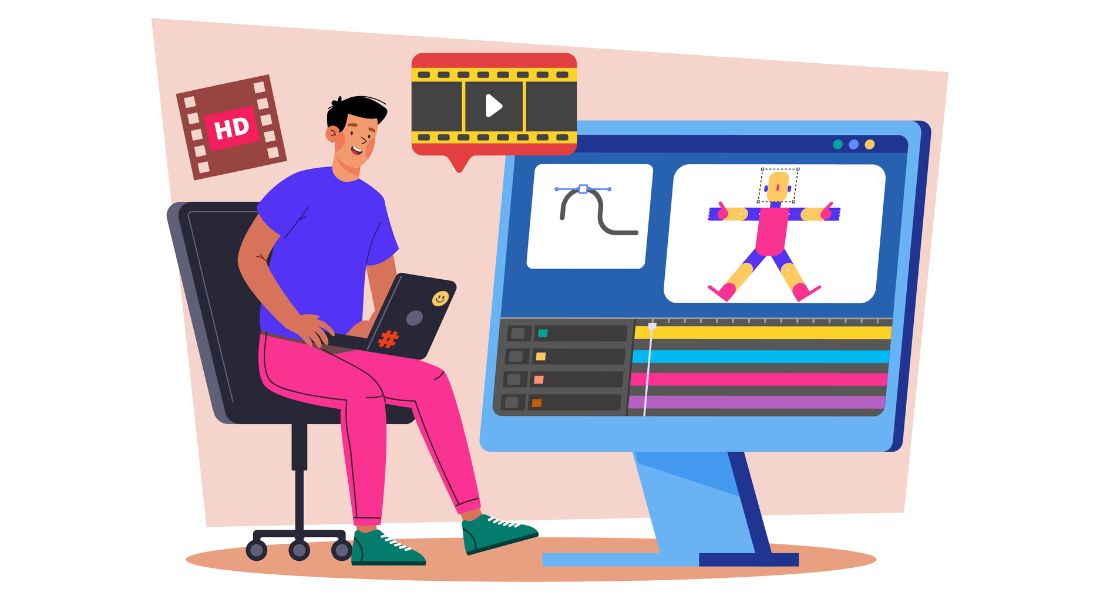
Hybrid animation is a groundbreaking approach in the field of animation that seamlessly combines the artistic charm of traditional 2D techniques with the technical sophistication of modern 3D animation. At its core, it blends hand-drawn elements such as expressive lines, stylized textures, exaggerated motions, and unique character designs with 3D models, rigs, and fully realized three-dimensional environments. This fusion allows animators to preserve the creative freedom, fluidity, and emotional expressiveness of 2D art while taking full advantage of the depth, perspective, and flexibility that 3D tools provide.
Historically, 2D animation dominated the industry with hand-painted cels and frame-by-frame drawings, delivering timeless classics with distinct visual styles. On the other hand, 3D animation emerged later, offering unprecedented realism, lighting effects, and camera movements that were impossible with traditional methods. Hybrid animation bridges these two worlds, offering a perfect balance: the nostalgic, artistic qualities of 2D combined with the modern, immersive qualities of 3D. This makes it possible to create visuals that are dynamic, rich, and highly engaging, captivating audiences in ways that neither style could achieve alone.
One of the key strengths of hybrid animation is its versatility. Creators can use 2D techniques for characters or foreground elements, maintaining a hand-crafted, stylistic appeal, while employing 3D for environments, props, or complex movements. This combination not only enhances visual storytelling but also allows for more efficient production workflows, as 3D assets can be reused, manipulated, and animated with precision, while 2D overlays preserve the artistic essence. Many feature films, animated series, short films, and video games now employ hybrid animation to craft memorable visuals that stand out in a competitive media landscape.
Furthermore, hybrid animation fosters collaboration between diverse creative teams. 2D artists, 3D modelers, animators, and technical directors can work in tandem, experimenting with lighting, textures, camera angles, and animation styles. This collaboration results in projects that push the boundaries of imagination, producing content that is visually stunning, emotionally resonant, and artistically unique. By merging traditional artistry with cutting-edge technology, hybrid animation has become a powerful storytelling tool that appeals to audiences of all ages, bridging the gap between nostalgia and innovation, and redefining what modern animation can achieve.
2. Iconic Examples
Several films and series have demonstrated the full potential of hybrid animation, pushing the boundaries of visual storytelling and setting new standards for creativity in the industry. One of the most celebrated examples is Spider-Man: Into the Spider-Verse, which brilliantly combines 2D comic-style textures, halftone patterns, and expressive line work with 3D models, lighting, and depth. This innovative fusion creates a visually striking experience that captures the dynamic energy of superhero action while retaining the charm and aesthetic of comic books. The result is a cinematic world that feels fresh, immersive, and unlike anything produced in traditional 2D or 3D animation alone, earning both critical acclaim and numerous awards.
Another standout example is the animated series Arcane, inspired by the popular League of Legends universe. The series seamlessly integrates hand-painted 2D textures, stylized character expressions, and painterly effects with fully rendered 3D environments, dynamic lighting, and fluid camera movements. This combination enhances storytelling by allowing both characters and their surroundings to convey emotion, depth, and atmosphere. The meticulous attention to detail ensures that every scene is visually captivating, making it easy for viewers to become emotionally invested in the narrative.
Other notable films also illustrate the power of hybrid animation. The Mitchells vs. The Machines uses layered 2D textures on 3D models to create a playful, highly stylized visual style, while Klaus combines hand-drawn character animations with subtle 3D depth effects, resulting in a warm, nostalgic aesthetic that feels uniquely alive. Similarly, video games like Guilty Gear Strive and Hollow Knight: Silksong employ hybrid techniques to combine expressive 2D character designs with dynamic 3D perspectives and environments, delivering gameplay that is both visually rich and immersive.
Hybrid animation is not limited to mainstream projects; it is also embraced by indie films and experimental shorts. Independent creators often use hybrid techniques to explore creative visual styles that stand out in festivals and online platforms. By combining 2D artistry with 3D depth, these works demonstrate that hybrid animation is a versatile tool, capable of adapting to a wide range of genres, budgets, and storytelling goals.
These examples collectively highlight how hybrid animation allows creators to push artistic and technical boundaries simultaneously. By merging the fluid expressiveness of 2D with the immersive realism of 3D, these productions offer audiences experiences that are visually bold, emotionally resonant, and memorably unique. Today, hybrid animation has evolved from a niche experimental style to a mainstream storytelling approach, inspiring both established studios and independent creators to innovate and redefine the possibilities of modern animation.
3. Creative Advantages

Hybrid animation offers a wide range of creative advantages, making it an increasingly popular choice for filmmakers, animators, and game developers. By combining the best aspects of both 2D and 3D animation, creators can achieve visuals and storytelling techniques that neither style could accomplish alone.
Visual Flexibility: One of the key benefits of hybrid animation is the incredible visual flexibility it provides. Designers and animators can exaggerate character expressions, gestures, and movements using 2D techniques, giving the characters a more expressive and stylized appeal. At the same time, 3D environments and models ensure that spatial consistency, lighting, and depth are maintained. This combination allows for scenes that feel lively and dynamic, where characters interact naturally within a three-dimensional world while retaining the artistic charm and exaggerated motion of traditional 2D animation.
Stylized Realism: Hybrid animation also achieves a unique balance between realism and artistry. While 3D elements provide depth, perspective, and a sense of physical space, 2D overlays, textures, and line work preserve the creative and stylized aesthetics that give animation its personality. This “stylized realism” makes worlds and characters visually striking, allowing audiences to immerse themselves in a believable yet artistically rich environment. For example, films like Spider-Man: Into the Spider-Verse use halftone patterns and hand-drawn effects on 3D models to create a comic-book feel while maintaining realistic motion and depth.
Engaging Storytelling: The combination of 2D and 3D elements in hybrid animation also enhances storytelling. By merging expressive 2D character animation with immersive 3D worlds, creators can guide viewers’ attention, evoke stronger emotional responses, and maintain engagement throughout the narrative. Scenes become more dynamic and visually stimulating, keeping audiences intrigued and entertained. This versatility is especially valuable in action sequences, dramatic moments, or fantasy worlds, where hybrid animation can convey both intensity and artistic flair simultaneously.
Creative Freedom: Another advantage of hybrid animation is the unprecedented creative freedom it offers. Animators can experiment with unusual perspectives, lighting effects, textures, and compositional styles, blending realism and stylization in new ways. This freedom allows for experimentation that can differentiate projects in a competitive media landscape, giving creators the ability to develop distinctive visual identities for films, series, and games.
Efficiency and Production Benefits: Hybrid animation can also improve production efficiency. While 2D animation is often time-consuming to create frame by frame, integrating 3D assets allows for reusable models, easier scene adjustments, and smoother camera movements. This combination streamlines workflows while still preserving the hand-crafted aesthetic of 2D elements.
Overall, the creative advantages of hybrid animation ranging from visual flexibility and stylized realism to engaging storytelling and production efficiency make it a powerful tool for modern content creators. It allows animators to push artistic boundaries, craft memorable experiences, and deliver visually captivating stories that resonate with audiences of all ages.
4. Challenges to Consider

While hybrid animation offers unparalleled creative opportunities, it also comes with a unique set of challenges that animators, studios, and production teams must carefully navigate. Successfully integrating 2D and 3D elements requires not only technical expertise but also meticulous planning, artistic sensitivity, and seamless collaboration across multiple departments. Understanding these challenges is crucial for producing hybrid animation that is visually cohesive and emotionally engaging.
Consistency Between 2D and 3D Elements: One of the most critical challenges is achieving visual consistency. Since 2D and 3D elements have inherently different textures, dimensions, and visual behavior, animators must ensure that these styles blend naturally within each scene. Timing, perspective, shading, and proportions must be carefully coordinated to avoid characters or objects appearing out of place. Even slight mismatches such as a 2D character floating unnaturally against a 3D background can disrupt the audience’s immersion. Maintaining this consistency often requires multiple iterations and ongoing communication between 2D artists, 3D modelers, and compositors to ensure the final visuals are harmonious.
Technical Complexity: Hybrid animation workflows are inherently more complex than purely 2D or 3D projects. Production often demands the use of multiple specialized software tools for 2D animation, 3D modeling, rigging, lighting, rendering, and compositing. Coordinating these tools and integrating outputs seamlessly can be challenging, especially for teams unfamiliar with hybrid pipelines. For example, rendering a 3D environment and then overlaying hand-drawn 2D effects may require precise alignment and layer management to maintain clarity and style. Additionally, rendering hybrid scenes with complex lighting, shadows, or particle effects can be computationally demanding, necessitating high-performance hardware and careful optimization to avoid extended production delays.
Time-Intensive Production: Hybrid animation is often more time-consuming than traditional animation due to the dual workflow. Each frame may require hand-drawn refinement, adjustment of 3D models, and fine-tuning of textures and lighting to ensure the styles integrate smoothly. Scenes with complex camera movements or intricate visual effects demand even more attention, resulting in longer production timelines. While technology and automation tools can help, hybrid projects generally require greater planning and resource allocation to meet deadlines without compromising visual quality.
Creative and Artistic Challenges: Beyond technical hurdles, hybrid animation presents creative challenges. Striking the right balance between the stylized appeal of 2D and the immersive realism of 3D is essential. Too much emphasis on 3D can diminish the charm and expressiveness of 2D elements, while excessive 2D detailing can flatten the sense of depth and spatial realism. Achieving this balance demands strong artistic direction, clear vision, and constant collaboration among directors, designers, and animators.
Collaboration and Workflow Management: Hybrid animation often involves large, multidisciplinary teams working across different pipelines. Miscommunication or misalignment between 2D artists, 3D modelers, and compositors can lead to inconsistencies and inefficiencies. Implementing structured workflows, regular review cycles, and clear documentation is critical to ensure that creative and technical teams work in harmony throughout production.
Audience Expectations: Finally, creators must consider audience perception. Hybrid animation is a unique style, and viewers are increasingly discerning about visual coherence. Any mismatch between 2D and 3D elements or inconsistent stylistic choices can distract from storytelling and reduce emotional impact. Studios must therefore carefully test scenes and refine visual integration to maintain audience engagement and meet modern standards for high-quality animation.
Despite these challenges, hybrid animation continues to thrive because of its unparalleled creative potential. With careful planning, skilled teams, and the right technology, studios can overcome these obstacles to produce visually stunning, emotionally resonant, and highly innovative animated content that pushes the boundaries of traditional storytelling.
5. Tips for Creators
Creating hybrid animation can be both exciting and challenging, but following practical tips can help artists and studios navigate the process more efficiently while maximizing creative impact. These tips are designed to help both beginners and experienced animators experiment with combining 2D and 3D elements effectively.
Start Small: When beginning with hybrid animation, it’s wise to start with simple projects. Begin by applying 2D effects such as line work, textures, or stylized motion onto basic 3D models or environments. This allows creators to understand how the two styles interact without becoming overwhelmed by complex scenes. By mastering small-scale combinations first, animators can gradually scale up to more intricate shots, learning how to maintain consistency, timing, and depth as projects grow in complexity.
Use Reference Footage: Reference materials are invaluable when blending 2D and 3D animation. Filmmakers and animators should use live-action footage or concept sketches to guide lighting, perspective, and movement. This ensures that 2D elements align naturally with 3D environments, helping characters interact realistically with their surroundings. For instance, studying shadows, reflections, and camera angles in reference footage can prevent common mistakes, such as 2D overlays appearing disconnected from the 3D world.
Experiment with Textures, Line Work, and Shading: One of the most creative aspects of hybrid animation is the ability to mix styles in visually striking ways. Animators should experiment with different textures, line weights, and shading techniques to find the right balance between 2D expressiveness and 3D depth. For example, subtle hand-drawn textures can add warmth and personality to 3D models, while carefully applied shading can enhance the sense of realism without compromising the artistic style. Testing multiple combinations and iterations helps identify the most visually appealing approach for each scene.
Focus on Timing and Motion: Timing is a crucial element when integrating 2D and 3D elements. Creators should pay attention to how 2D effects move in relation to 3D models, ensuring that animations feel fluid and natural. Even slight mismatches in timing or motion can break immersion, so practicing frame-by-frame adjustments and reviewing animation in context is essential.
Final Thought: Hybrid Animation
Hybrid animation opens a world of creative possibilities, allowing storytellers to combine the expressive charm of 2D with the depth and realism of 3D. This blend not only captivates audiences but also pushes the boundaries of visual storytelling. For those looking to explore this innovative style, you can contact our animation company in London to take your content to the next level and bring your unique vision to life.
