

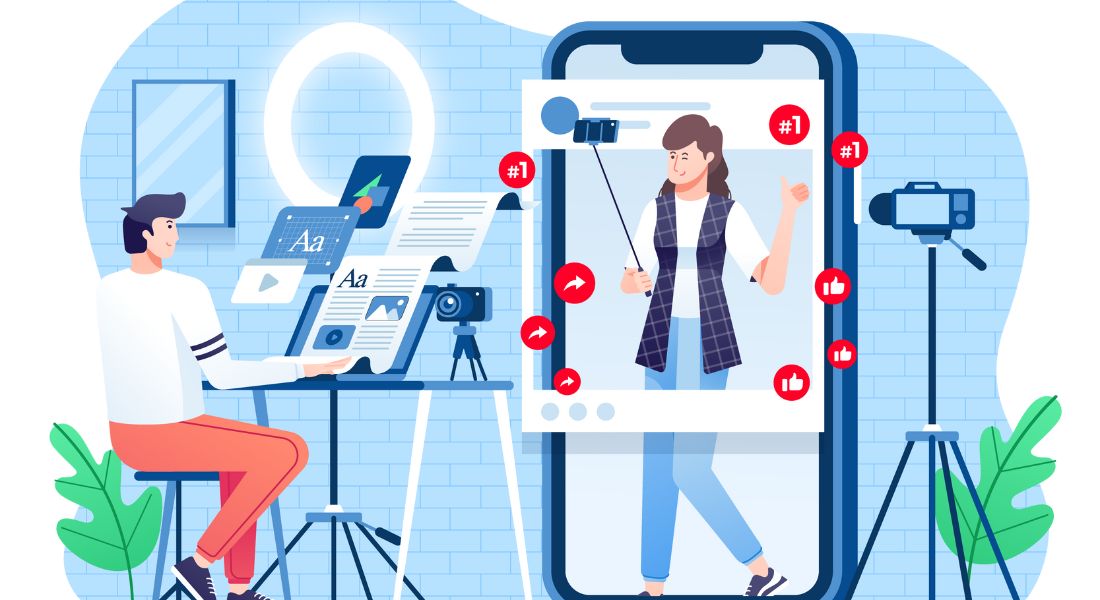
Content may be king, but not all content wears the same crown. In today’s crowded digital world, businesses have to make tough choices about how they communicate online. One of the most common questions is whether to focus on short-form content quick, punchy pieces that capture attention in seconds or long-form content, which takes time to unpack but can provide unmatched depth and authority.
Short-form content has become the heartbeat of fast-paced digital platforms. From TikTok videos and Instagram Reels to Twitter threads and short blog snippets, it thrives in environments where attention spans are limited and competition for clicks is fierce. Its strength lies in immediacy it gets your message across instantly, encourages quick engagement, and keeps your brand present in a constant stream of updates. For audiences who prefer digestible, bite-sized content while multitasking or scrolling on the go, it can be the perfect fit.
By contrast, long-form content takes a more immersive approach. Comprehensive blog posts, thought-leadership articles, case studies, and podcasts give space to explore ideas thoroughly, tell compelling stories, and demonstrate expertise. Instead of aiming for a fleeting moment of interest, long-form content builds lasting connections. It attracts readers who are willing to invest their time in exchange for genuine value, positioning your brand as a trusted source of knowledge. It also plays a critical role in SEO, helping businesses rank for high-value keywords and boosting discoverability over the long term.
The truth is, the debate between short-form and long-form isn’t about which is better in isolation it’s about which works best in a given context. Different goals call for different formats. Short-form may spark awareness and drive traffic, while long-form nurtures leads and supports conversions. When used together, they can complement one another, creating a content ecosystem that captures attention quickly but also delivers the depth needed to build credibility and trust.
What Is Short-Form Content?

Short-form content is exactly what it sounds like content that’s short, concise, and easy to digest. Typically, this means anything under 1,000 words when written, such as short blog posts, summaries, or listicles, and under 60 seconds when created as a video. The main goal of short-form content is to deliver a message quickly, capturing attention in a matter of seconds rather than requiring a big time investment from the audience.
In today’s digital-first world, people are constantly multitasking, skimming feeds, and making split-second decisions about what to read or watch. Short-form content fits this behaviour perfectly. It allows brands to communicate a key point, spark curiosity, or share a quick piece of entertainment without overwhelming the audience with too much detail.
Common Examples of Short-Form Content
- Social media posts – Quick updates on platforms like Instagram, TikTok, LinkedIn, or X (Twitter) are designed to create instant engagement. These may be witty one-liners, inspirational quotes, or micro-stories that speak directly to an audience’s interests.
- Quick blog updates or listicles – Short posts under 1,000 words that highlight only the most essential takeaways, ideal for readers who want information fast.
- Snackable videos or reels – Platforms like TikTok, Instagram Reels, and YouTube Shorts thrive on 15–60 second videos that combine creativity with high shareability.
- Infographics and memes – A single visual can tell a story faster than paragraphs of text, making infographics and memes highly effective for short-form engagement.
- Email newsletters – Many brands use short, punchy newsletters that focus on one or two key points, rather than lengthy reports, to keep audiences consistently engaged.
- Stories and polls – Temporary formats like Instagram Stories or LinkedIn polls are considered short-form because they provide instant interaction without long-term commitment.
Benefits of Short-Form Content
- Captures attention instantly: In the crowded world of online content, short-form shines by delivering impact in just a few seconds, ensuring your message isn’t lost.
- Easy to consume and share: Its brevity makes it more likely to be shared across platforms, extending your brand’s reach organically.
- Supports frequent posting and engagement: Because it requires fewer resources compared to long-form content, businesses can post more often, which helps maintain visibility and relevance.
- Perfect for mobile users: With the majority of browsing happening on smartphones, short-form formats are tailor-made for quick scrolling and on-the-go consumption.
- Drives brand awareness: Even if the content doesn’t explore a topic deeply, it keeps your brand present in everyday conversations, which is crucial for top-of-funnel marketing.
- Great for experimentation: Since short-form is easier and quicker to create, brands can test different styles, tones, and ideas to see what resonates best with their audience.
Limitations of Short-Form Content
- Lacks depth for complex topics: Short posts, tweets, or 30-second videos often can’t do justice to nuanced subjects, which can leave audiences with only a superficial understanding.
- Doesn’t fully establish authority: While short-form helps you stay visible, it may not position your brand as a trusted expert in the same way that in-depth articles or guides do.
- Short lifespan in feeds: Most short-form content disappears quickly in busy social media timelines, meaning you need to create and publish more frequently to stay relevant.
- Limited SEO value: Search engines tend to prioritise long-form, structured content. Short posts or videos, while engaging, usually don’t contribute significantly to long-term search rankings.
- Risk of being overlooked: Because audiences consume so much short-form daily, it’s easy for your content to blend into the noise if it doesn’t stand out.
In essence, short-form content is excellent for sparking quick engagement, reaching new audiences, and keeping your brand consistently visible. However, by itself, it may not deliver the authority, trust, or long-term impact that long-form content can achieve. For best results, most businesses find success by using short-form as the hook that draws people in, before guiding them toward more detailed, long-form pieces that provide deeper value.
What Is Long-Form Content?

Long-form content is content that goes beyond the surface level, offering a more detailed and comprehensive exploration of a topic. Unlike short-form, which is designed for quick consumption, long-form aims to inform, educate, or persuade in a way that holds the audience’s attention for a longer period. In written form, it usually means articles that are 1,500 words or more, while in video, it often refers to content running for five minutes or longer. The key distinction is not just length but depth long-form content provides context, analysis, and actionable insights that short-form simply cannot cover.
Long-form content is particularly useful for audiences who are researching, comparing options, or seeking trustworthy guidance. Rather than delivering a quick soundbite, it walks them through the full picture, often positioning the brand as a thought leader in the process.
Common Examples of Long-Form Content
- In-depth guides and tutorials – Step-by-step resources that explain a process thoroughly, often bookmarked and revisited by readers.
- Whitepapers and eBooks – Research-heavy pieces that provide insights, analysis, or industry trends, usually offered as gated content to generate leads.
- Explainer videos and webinars – Video content that goes beyond quick highlights, offering detailed explanations, demonstrations, or discussions on complex topics.
- Case studies – Real-world examples of how a product, service, or strategy was implemented, showing detailed outcomes and lessons learned.
- Comprehensive blog posts – Articles that explore a topic from multiple angles, supported by data, visuals, and expert insights.
- Podcasts and interviews – Audio or video conversations that delve deeply into industry topics, often lasting 20 minutes or more.
Benefits of Long-Form Content
- Builds authority and trust: By covering a subject in depth, long-form positions your brand as an expert source of knowledge. Readers and viewers are more likely to see you as credible when you provide detailed, well-researched insights.
- Improves SEO performance: Search engines tend to reward long, structured content that thoroughly addresses user intent. Longer articles can rank for multiple keywords and often gain backlinks, boosting visibility.
- Offers long-term value: Unlike quick posts that fade fast, long-form resources remain relevant and continue driving traffic months or even years after publication.
- Encourages return visits and conversions: When people find real value in your long-form content, they’re more likely to revisit your site, sign up for newsletters, or convert into customers.
- Supports complex decision-making: For products or services that require a high level of trust or explanation, long-form content helps prospects feel confident before making a purchase.
- Opportunities for repurposing: A single long-form piece, such as an eBook or webinar, can be broken down into multiple short-form assets like social posts, infographics, or clips maximising its ROI.
Limitations of Long-Form Content
- Requires more time and resources to produce: Research, writing, design, and editing take significantly longer compared to short-form content. This can be a challenge for smaller teams or businesses with limited budgets.
- Risk of losing attention if not structured well: If long-form is poorly organised, lacks visuals, or feels overwhelming, audiences may drop off before reaching the key insights.
- Not always suitable for every platform: Social media algorithms favour bite-sized content, so long-form isn’t always the best fit for quick-scroll environments.
- Slower to publish consistently: Because it takes more effort, brands may struggle to release long-form content frequently, which can reduce visibility in fast-moving markets.
- Potential to overwhelm readers: If the content isn’t broken into digestible sections with headings, visuals, and summaries, some audiences may find it too dense and skip over it.
In short, long-form content is where brands can truly demonstrate depth, expertise, and authority. While it demands more effort to create, its ability to drive SEO, establish trust, and generate conversions makes it a cornerstone of many successful marketing strategies. The key is to structure it effectively using clear headings, visuals, and storytelling so that audiences stay engaged from start to finish.
Where Each Type Works Best

Short-form and long-form content aren’t interchangeable they each shine in different spaces and support different goals. By understanding the environments where they perform best, businesses can create a more balanced and effective content strategy.
Short-form content works particularly well on fast-paced, highly visual platforms like TikTok, Instagram, LinkedIn, and Twitter (X). These channels are designed for immediacy, where users are scrolling quickly, often with only a few seconds to spare. Here, the main advantage of short-form content is its ability to grab attention instantly. A short, entertaining video, a trending meme, or a concise post with a clear takeaway can stand out in a crowded feed and encourage immediate engagement. For businesses looking to increase brand awareness, social interactions, or quick conversions, short-form is ideal. For example, a clothing brand might use Instagram Reels to showcase a new collection in under 30 seconds, while a B2B company could post a snappy LinkedIn update with a bite-sized industry insight that sparks conversation.
By contrast, long-form content performs best in spaces where audiences are more willing to invest time and attention. Blogs, YouTube, websites, and email newsletters provide the perfect environment for in-depth storytelling, education, and thought leadership. Long-form shines when the goal is to build authority, improve SEO performance, educate your audience, or generate leads. A comprehensive blog post on a complex subject can help a business rank for multiple keywords and attract organic traffic, while a detailed webinar can demonstrate expertise and nurture leads through valuable insights. For instance, a software company might publish a 2,000-word guide explaining how to solve a technical problem, while a healthcare brand could host a webinar to walk patients through treatment options. These formats not only capture attention but also build credibility and trust over time.
It’s also important to note that the ideal goal differs for each type of content. Short-form is about being seen and remembered it thrives on awareness and instant interaction. Long-form is about depth and authority it thrives on education, trust, and long-term relationship building. For this reason, successful brands rarely choose one over the other. Instead, they combine them: short-form to attract and spark curiosity, long-form to nurture, educate, and convert. A well-rounded content strategy often uses short-form as the entry point and long-form as the destination where audiences find real value.
Striking the Right Balance
For many businesses, the most effective content strategy isn’t about choosing between short-form and long-form content it’s about finding the right balance between the two. Each format serves a distinct purpose, and when combined thoughtfully, they can complement each other to achieve broader marketing goals. By adopting a mixed content strategy, businesses can attract new audiences, nurture engagement, and establish credibility simultaneously.
Short-form content is ideal for grabbing attention quickly in today’s fast-paced digital landscape. This can include social media posts, short videos, infographics, or quick blog snippets. These bite-sized pieces are perfect for capturing the interest of people who may be scrolling through feeds or skimming emails. They are highly shareable, timely, and can help increase brand visibility while driving traffic to your website or landing pages. For example, a snackable video on Instagram or TikTok might pique interest in a new product or service, encouraging users to click through for more information.
Long-form content, on the other hand, provides depth, context, and authority. This could be in the form of detailed blog posts, whitepapers, eBooks, comprehensive video tutorials, or case studies. Long-form content allows you to answer complex questions, provide valuable insights, and demonstrate expertise in your industry. It is particularly effective for nurturing leads and converting prospects into loyal customers. By offering in-depth knowledge and actionable advice, long-form content builds trust and positions your business as a credible authority in your field.
An additional strategy to maximise impact is content repurposing. Long-form content can often be broken down into multiple short-form pieces, such as social media snippets, email teasers, infographics, or mini-videos. This approach extends the lifespan of your content, increases your reach across different platforms, and maintains consistency in your messaging. For instance, a 2,500-word blog post can be converted into five or six social media posts, each highlighting a key insight, statistic, or tip.
The ultimate goal is to meet your audience where they are in their journey. Some may be encountering your brand for the first time and prefer quick, easily digestible content. Others may already be interested and looking for more detailed resources before making a decision. By providing value in both formats, you can cater to different needs, preferences, and attention spans, ensuring your content strategy is inclusive, versatile, and effective.
In today’s competitive digital landscape, this balanced approach also allows businesses to remain agile. You can respond to trending topics quickly with short-form content while continuing to nurture authority and trust through longer, evergreen pieces. Over time, this synergy between short and long-form content can lead to stronger engagement, higher conversion rates, and a more loyal audience.
Final Thought: Finding the Right Content Strategy
Choosing between short-form and long-form content isn’t about one being better it’s about strategic fit. To maximise results, create a plan that balances reach, engagement, and depth. For expert support in producing impactful content across all formats, partnering with a video marketing company in London can help your brand reach and convert the right audience efficiently.
