

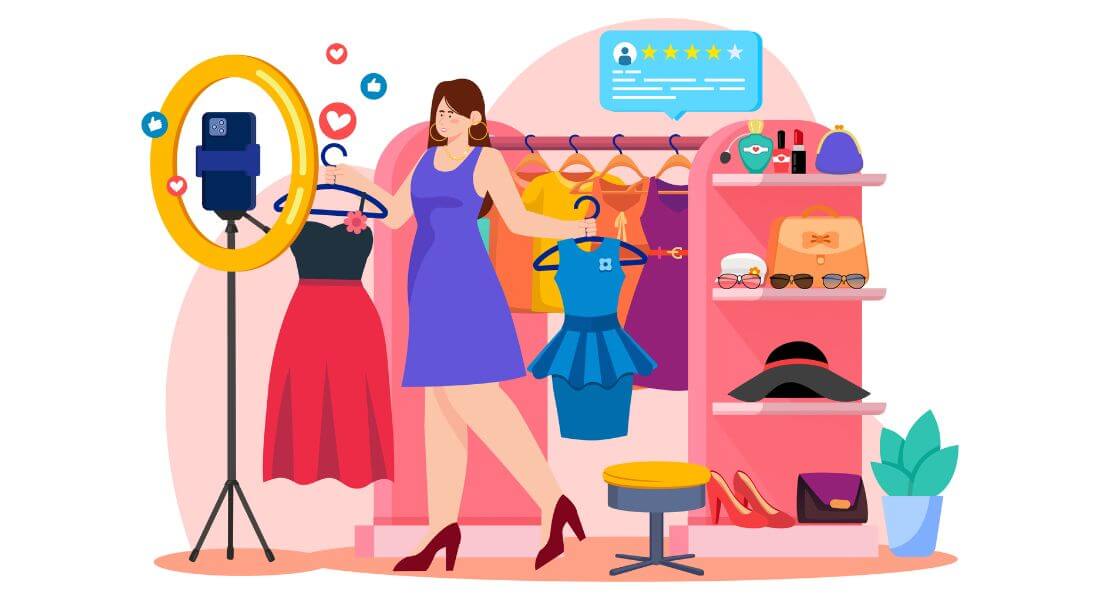
In today’s fast-paced, visually-driven, and highly competitive fashion industry, standing out requires far more than simply having great designs or creating high-quality garments. Today’s consumers are not merely buying clothes they are investing in experiences, stories, and lifestyles that reflect their identity and values. Fashion brands need to do more than display products; they must communicate a compelling brand narrative that resonates emotionally with their audience. This is where video marketing comes into play, offering an unparalleled opportunity to engage, inspire, and convert viewers into loyal customers.
Video marketing allows fashion brands to bring their stories to life in ways that static images or text cannot. From showcasing new collections and runway shows to capturing behind-the-scenes moments in photoshoots or production, videos offer a dynamic, immersive experience. They highlight the texture, movement, and fit of garments, making it easier for consumers to understand the product and visualize how it will look in real life. A well-executed video can evoke emotion, set a mood, and establish a brand identity that viewers can connect with on a deeper level.
Social media platforms have further amplified the importance of video content. Platforms like Instagram, TikTok, YouTube, and Pinterest favor videos in their algorithms, giving brands an opportunity to reach broader audiences and drive engagement more effectively. Short-form content, such as reels or TikTok videos, can spark curiosity, increase shares, and boost brand awareness rapidly. Meanwhile, longer, story-driven content on YouTube or brand websites can educate consumers, build trust, and inspire loyalty by giving insight into the creative process, design philosophy, and sustainability initiatives behind the brand.
Moreover, video marketing directly impacts sales and e-commerce growth. Product demonstration videos, styling tips, and “how-to-wear” guides help consumers make informed purchasing decisions and reduce uncertainty. Influencer collaborations through video content can amplify reach and credibility, leveraging authentic voices to promote collections in ways that resonate with target audiences. Live streaming events, such as virtual fashion shows or Q&A sessions, create excitement and urgency, encouraging viewers to engage in real-time and make purchases.
In addition to marketing campaigns, videos help fashion brands humanize their brand, communicate values, and foster meaningful connections. They can highlight sustainability practices, ethical production, or social responsibility initiatives, which today’s conscious consumers increasingly care about. By crafting thoughtful, visually compelling, and consistent video content, fashion brands can build a strong, recognizable identity that sets them apart in a crowded market.
In conclusion, video marketing is no longer optional for fashion brands it is a critical strategy for growth, engagement, and customer loyalty. By investing in high-quality, story-driven video content, brands can showcase their collections, communicate their unique vision, and create experiences that resonate with consumers. In the competitive world of fashion, mastering video storytelling is essential not only to attract attention but also to convert viewers into loyal customers who are excited to be part of your brand journey.
Why Video Marketing Matters for Fashion
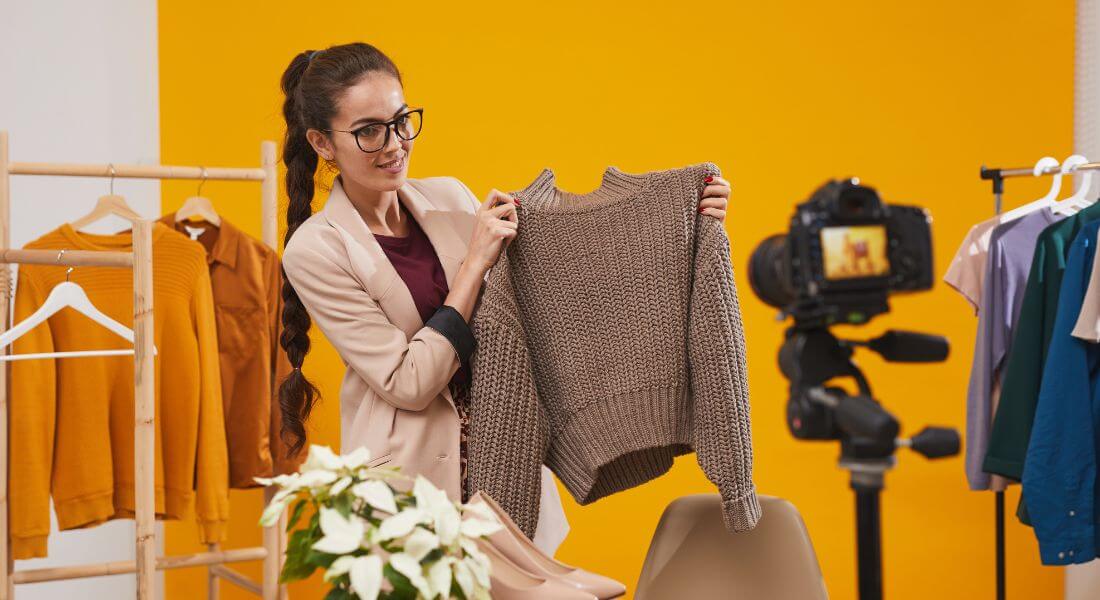
Fashion is inherently visual, creative, and experiential. Consumers don’t just buy clothing they buy style, self-expression, and the lifestyle a brand represents. In today’s fast-moving digital world, relying solely on static images, traditional advertising, or text-based content is no longer enough to make a lasting impression. Fashion brands need to capture attention, evoke emotion, and communicate their story in ways that are dynamic, engaging, and memorable. Video marketing provides exactly that, offering a powerful platform to showcase products, convey brand identity, and drive meaningful interactions with audiences.
Dynamic Storytelling: Video allows brands to bring their story to life in motion. Whether it’s capturing the artistry behind a designer’s latest collection, documenting behind-the-scenes moments during photoshoots, or presenting a lifestyle that embodies the brand’s ethos, video can convey mood, movement, and personality in ways that static content simply cannot. A well-crafted video can transport viewers into the world of the brand, helping them connect with the vision, values, and aesthetics that make it unique. For example, high-fashion brands often use cinematic storytelling to evoke emotions, while streetwear brands may employ fast-paced, urban-style clips to reflect energy and attitude.
Higher Engagement: Videos naturally capture attention and encourage interaction. Social media platforms like Instagram, TikTok, YouTube, and Facebook increasingly prioritize video content, giving brands the opportunity to reach larger audiences and generate higher engagement. Short-form videos such as Reels or TikToks can quickly go viral, while longer-form content, like tutorials or behind-the-scenes documentaries, can keep audiences engaged and foster loyalty. Consumers are more likely to comment, share, or save video content than static posts, creating organic reach and amplifying a brand’s online presence.
Conversion Power: Beyond storytelling and engagement, video marketing has a direct impact on purchasing behavior. Product videos, try-on guides, styling tips, and “how-to-wear” demonstrations allow consumers to see garments in real life how they move, fit, and pair with other items. This reduces uncertainty, builds confidence, and can significantly increase conversion rates for e-commerce platforms. Live streaming fashion events or product launches can also create urgency and excitement, prompting immediate sales. Influencer-led video campaigns further enhance credibility and reach, helping brands tap into established audiences that trust their recommendations.
Brand Authenticity and Connection: Video is an exceptional tool for humanizing a brand. It can highlight sustainability efforts, ethical production, and social responsibility initiatives, which are increasingly important to modern consumers. By showing real people, processes, and stories behind a brand, videos foster authenticity and build long-term emotional connections that go beyond individual purchases.
In a crowded and competitive fashion market, video marketing is no longer optional it is essential. By combining creativity, storytelling, and strategic distribution, fashion brands can capture attention, inspire loyalty, and drive measurable results, transforming viewers into engaged customers who feel connected to the brand’s identity and lifestyle.
Types of Videos Fashion Brands Should Use
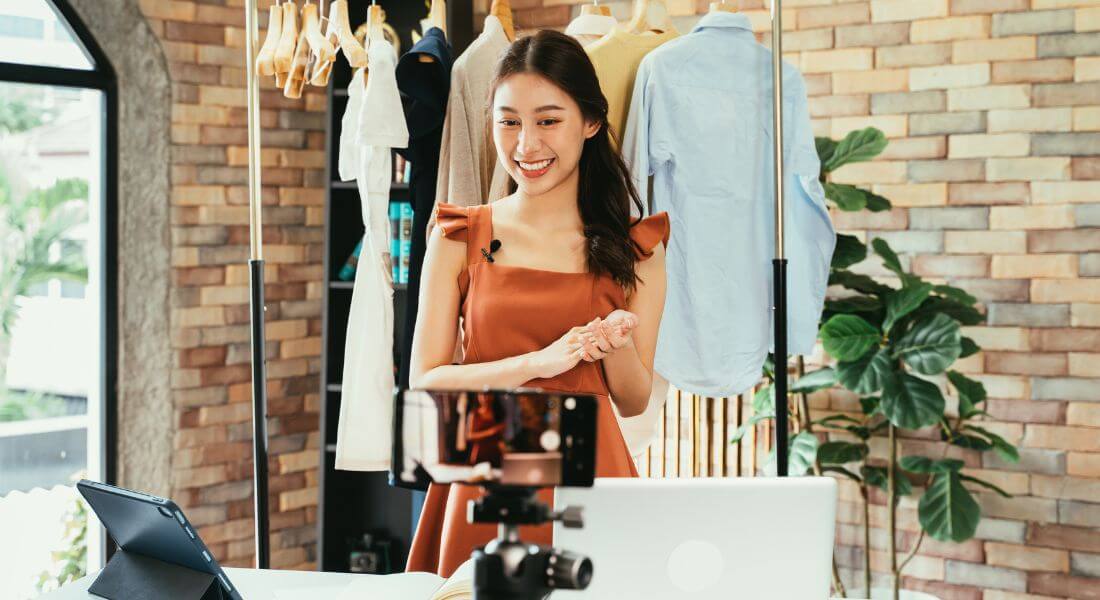
To truly leverage video marketing, fashion brands should diversify their content across multiple formats. Each type of video serves a unique purpose whether it’s showcasing collections, building brand credibility, or driving online sales. Here are the key types of videos every fashion brand should consider:
1. Lookbook Videos
Lookbooks aren’t just for printed catalogs they translate beautifully into dynamic video content. A lookbook video allows brands to showcase seasonal collections, new arrivals, or signature pieces in motion, combining visual storytelling with music, editing, and creative direction. By guiding viewers through each outfit, lookbook videos highlight textures, colors, and styling possibilities in a way static images cannot. This not only inspires audiences but also encourages them to envision the pieces in their own wardrobe.
2. Catwalk and Live Stream Coverage
Runway shows and fashion events are quintessential experiences for fashion brands. Sharing catwalk footage or live streaming shows allows audiences to enjoy a front-row perspective, even if they cannot attend in person. Live streaming creates a sense of exclusivity and urgency while enabling real-time interaction. Viewers can comment, ask questions, and share reactions, which boosts engagement and strengthens the connection between the brand and its audience. These videos also generate content that can be repurposed across social media, websites, and email campaigns.
3. Influencer Collaborations
Influencers have become vital ambassadors for fashion brands. Collaborating with fashion influencers through short videos or reels allows products to be showcased in authentic, relatable, real-life contexts. These collaborations build credibility, as audiences trust influencers’ recommendations. Videos can range from styling tutorials, “get ready with me” content, or unboxing experiences, each offering exposure to the influencer’s engaged followers and driving traffic and sales for the brand.
4. Behind-the-Scenes Content
Behind-the-scenes (BTS) videos humanize a brand and create an emotional connection with consumers. Showing the design process, photo shoots, fabric sourcing, or the day-to-day work of a creative team helps audiences appreciate the effort, skill, and passion behind each collection. BTS content adds transparency and authenticity, fostering trust while giving consumers a sense of being part of the brand’s journey. These videos can also highlight ethical practices, craftsmanship, and brand values, which are increasingly important to modern consumers.
5. E-commerce Product Videos
In the world of online shopping, product videos are essential for increasing buyer confidence and reducing return rates. Short, detailed clips can show garments from multiple angles, demonstrate fit and movement, and provide styling tips or mix-and-match ideas. These videos help consumers make informed purchasing decisions, improving the overall online shopping experience. Additionally, product videos can be used across social media, websites, and email campaigns to maximize visibility and drive conversions.
By combining these video formats, fashion brands can create a comprehensive content strategy that engages audiences, tells compelling stories, and drives measurable results from increased brand awareness to higher sales and loyalty.
Best Practices for Fashion Video Marketing
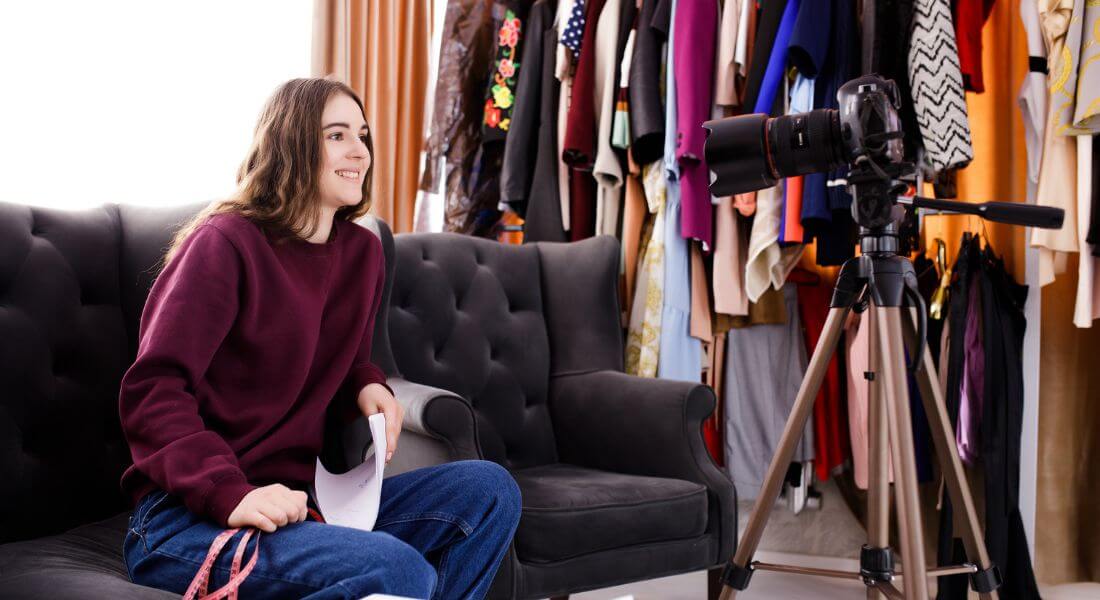
In the fast-paced, highly visual world of fashion, creating effective video content requires more than just capturing garments on camera. Videos must tell compelling stories, engage audiences instantly, reflect the brand’s identity, and ultimately drive meaningful business results. With social media algorithms favoring video content and consumer attention spans shrinking, it’s essential for fashion brands to produce visually striking, purposeful, and strategic video marketing campaigns. Below are detailed best practices to maximize the impact of fashion videos:
1. Keep It Visually Compelling
Fashion is all about aesthetics, and your videos should reflect your brand’s visual identity. Strong, high-quality lighting ensures that colors, textures, and details of garments are showcased accurately. Consider using creative camera angles, smooth pans, slow-motion shots, and dynamic transitions to add movement and interest. Props, sets, and locations should align with your brand’s personality for example, a luxury brand may opt for minimalistic and elegant backdrops, while a streetwear brand could embrace urban settings and vibrant colors. Additionally, attention to wardrobe styling, makeup, and hair ensures the final video aligns with the overall brand image. Visually compelling videos captivate viewers, encouraging them to watch until the end and share the content with others.
2. Engage Quickly
In the social media era, viewers scroll past content in seconds. Fashion brands have only 3–5 seconds to hook their audience. Start videos with eye-catching visuals, unexpected angles, dramatic reveals, or intriguing motion to grab attention immediately. For example, a sudden outfit transformation, a bold text overlay announcing a new collection, or a striking color reveal can pique curiosity. By engaging viewers quickly, brands increase the likelihood that viewers will watch the full video, interact with it, and take the next step whether that’s visiting a website, exploring a collection, or making a purchase.
3. Tailor Content to Each Platform
Each social media platform has unique formats, audience behaviors, and engagement patterns. Fashion brands must adapt their video content accordingly:
- Instagram & TikTok: Short, vertical videos with fast edits, trending music, and clear visual hooks perform best. Reels and TikToks are ideal for product showcases, styling tips, challenges, and influencer collaborations.
- YouTube: Longer, narrative-driven videos such as fashion documentaries, behind-the-scenes content, tutorials, and interviews engage viewers who seek in-depth brand stories.
- Pinterest: Inspirational, idea-focused videos highlighting styling tips, outfit combinations, and seasonal trends perform well, especially for discovery and planning.
- Facebook & LinkedIn: Videos here can combine storytelling with educational or brand-building content, reaching professional audiences or niche segments.
Adapting content to platform preferences ensures better engagement, reach, and conversion.
4. Include Clear and Strategic CTAs (Call-to-Actions)
Videos are most effective when they drive viewers to take action. Include clear CTAs that guide audiences toward a desired outcome visiting the website, exploring a collection, subscribing to newsletters, or making a purchase. CTAs can appear as on-screen text, captions, or spoken instructions. Placement matters: include CTAs at the start, middle, or end, depending on the video length and platform. For example, a TikTok reel might feature a brief text overlay directing viewers to shop, while a YouTube video may include a verbal CTA and clickable link in the description. Well-placed CTAs help convert engagement into measurable results.
5. Focus on Storytelling and Brand Personality
Beyond showcasing products, videos should communicate the brand’s vision, values, and personality. Storytelling makes content memorable and builds emotional connections. Behind-the-scenes videos of photoshoots, design processes, or day-in-the-life features humanize the brand and show authenticity. Highlighting sustainability initiatives, ethical practices, or social responsibility projects can resonate with modern, conscious consumers. When brands share authentic stories, they cultivate loyalty, repeat engagement, and long-term advocacy.
6. Optimize for Mobile Viewing
The majority of fashion videos are consumed on mobile devices. Ensure your videos are vertical or square formats for mobile optimization and have fast load times. Visual clarity and readability on small screens are critical. Additionally, include captions or subtitles because many viewers watch videos without sound. Mobile-optimized videos improve accessibility, engagement, and the likelihood that viewers will interact with your content anytime, anywhere.
7. Measure Performance and Continuously Improve
Video marketing is highly measurable, allowing brands to track which content resonates most. Key metrics include:
- Views, watch time, and retention rates
- Likes, comments, shares, and saves
- Click-through rates to product pages or websites
- Conversions, sales, and ROI
Analyzing these metrics helps brands refine their content strategy, improve creative elements, test new formats, and optimize posting times. Continuous evaluation ensures each video campaign performs better than the last.
8. Maintain Consistency and Frequency
Regularly posting video content establishes a recognizable brand voice and keeps audiences engaged. A content calendar helps plan seasonal campaigns, new collection launches, or promotional events, ensuring consistent storytelling across all platforms. Consistency not only builds trust but also helps audiences anticipate and look forward to new content, increasing overall engagement over time.
9. Experiment with Creativity and Innovation
Fashion is a highly creative industry, and videos should reflect that. Experiment with trends, animation, AR/VR filters, split screens, and interactive features. Engaging content that surprises or delights audiences is more likely to be shared and remembered. For example, immersive 360° fashion videos or interactive “choose your outfit” experiences can elevate engagement and differentiate your brand in a crowded market.
10. Integrate Influencers and Collaborations Strategically
Partnering with influencers can extend reach and credibility. When integrated thoughtfully, influencer videos act as authentic endorsements, showcasing products in real-life contexts. Influencers can demonstrate styling tips, unbox collections, or create lifestyle-driven content that aligns with your brand identity, reaching highly targeted audiences who trust their recommendations.
By implementing these best practices, fashion brands can create videos that go beyond product display they tell stories, build authenticity, drive engagement, and ultimately convert viewers into loyal customers. In today’s digital-first and visually-driven fashion landscape, mastering video marketing is no longer optional it’s essential for growth, relevance, and brand success.
Final Thought: Elevating Fashion Brands Through Video Marketing
Fashion brands can truly thrive with video marketing by telling stories, showcasing collections, and engaging audiences in innovative ways. Whether it’s lookbooks, live catwalks, influencer content, or product demos, video provides a dynamic tool to stand out. For professional support, you can contact our video production company in London to take your fashion brand content to the next level.
