


In the modern digital era, non-profit organizations increasingly rely on the power of storytelling and meaningful connection to inspire real-world action and drive positive social change. Among the many communication tools available, video marketing has emerged as one of the most effective and versatile strategies for reaching audiences on both local and global scales. Unlike traditional forms of communication, videos combine visuals, sound, and narrative in a way that captures attention instantly, conveys complex ideas simply, and creates an emotional resonance that motivates viewers to engage.
Non-profits can use video marketing in a variety of ways. Fundraising appeals, for example, allow organizations to show potential donors the real impact of their contributions through authentic stories, interviews with beneficiaries, and behind-the-scenes looks at programs and initiatives. Advocacy campaigns can leverage video to spread awareness about pressing social issues, mobilize communities, and influence public opinion and policy decisions. Educational content, meanwhile, enables organizations to inform and empower audiences by explaining key topics, demonstrating best practices, or providing resources for self-improvement and community development.
One of the greatest strengths of video marketing is its global reach. Through social media platforms, websites, email newsletters, and even paid advertising, non-profits can connect with audiences far beyond their immediate geographic area. Videos can be shared, reposted, and viewed repeatedly, ensuring that the organization’s message spreads organically and continuously. Moreover, by incorporating compelling storytelling techniques such as highlighting individual experiences, showcasing measurable outcomes, or presenting urgent challenges in a relatable way non-profits can evoke empathy, create a sense of urgency, and motivate audiences to take meaningful action.
The emotional impact of video cannot be overstated. When viewers see the faces, hear the voices, and witness the experiences of those affected by a cause, it humanizes abstract problems and makes the mission of the organization tangible. This connection often translates into higher engagement, stronger supporter loyalty, and increased donations, all of which are critical to sustaining and expanding a non-profit’s work. Additionally, video content provides opportunities for long-term impact by educating audiences, influencing social change, and inspiring others to share the story further, creating a ripple effect of awareness and advocacy.
By strategically integrating video marketing into their communication strategy, non-profits can not only raise awareness about vital causes but also strengthen their community of supporters, attract new donors, and empower global audiences to contribute to meaningful change. In an increasingly connected world, video is no longer just an option for non-profits it is a necessary tool for making a difference that transcends borders and resonates on a deeply human level.
1. Storytelling That Resonates
At the very heart of non-profit video marketing lies the power of storytelling. Unlike traditional advertising, which often relies heavily on statistics, slogans, or sales-driven messaging, effective non-profit videos connect with audiences on a deeply human level. By highlighting the lives of the individuals, families, or communities your organization serves, you allow viewers to witness the real-world impact of your mission. This can include personal interviews with beneficiaries, day-in-the-life footage that immerses viewers in your programs, or behind-the-scenes glimpses at how your organization operates. By showcasing challenges, obstacles, triumphs, and moments of resilience, you transform abstract social issues into tangible, relatable experiences that viewers can emotionally connect with.
Personal narratives do more than inform they create empathy and emotional resonance. Stories stick with people far longer than statistics, making your cause memorable long after the video ends. Beyond capturing attention, storytelling enables non-profits to differentiate themselves in an increasingly crowded digital space. Viewers are far more likely to engage with content that tells a human story rather than presenting cold, impersonal facts. A compelling narrative can inspire people to share your message, volunteer their time, donate, or advocate for your cause, creating a ripple effect that extends far beyond your immediate audience. By thoughtfully combining visuals, music, narration, and a cohesive storyline, storytelling becomes the most powerful tool in communicating your organization’s purpose, impact, and values.
Moreover, storytelling provides flexibility for content across different mediums. Short-form videos can highlight individual moments or testimonials, while longer-form content can dive deep into complex initiatives or campaigns. By carefully structuring stories to evoke curiosity, empathy, and hope, non-profits can capture attention, maintain engagement, and inspire viewers to take meaningful action.
2. Fundraising Appeals

Videos have emerged as one of the most effective tools for driving donations, sponsorships, and community support. A short, compelling video that clearly explains the problem your organization addresses, the solutions you provide, and the tangible outcomes of contributions can dramatically increase fundraising success. Rather than merely presenting a need, an impactful fundraising video tells a story, evokes emotion, and motivates viewers to act. Including testimonials from beneficiaries, volunteers, or partners adds credibility and relatability, while showing before-and-after transformations or highlighting a single, powerful moment can make your message unforgettable.
Clear calls-to-action (CTAs) are essential. Every fundraising video should guide viewers on exactly what steps they can take next whether it’s donating online, signing up for newsletters, volunteering, attending events, or sharing the video within their networks. By combining emotional storytelling with actionable guidance, non-profits ensure that audiences are not just informed but motivated to engage and contribute.
Even organizations with limited budgets can create effective fundraising videos. With smartphones, accessible editing software, AI-assisted video production tools, and creative approaches, high production costs are no longer a barrier. In many cases, authentic, heartfelt content resonates more strongly than high-budget productions. Story-driven visuals, real voices, and genuine emotions often outperform polished but impersonal campaigns, proving that authenticity and relatability are the true keys to successful fundraising.
3. Advocacy and Awareness Campaigns
While fundraising is a central goal for many non-profits, advocacy and awareness campaigns are equally crucial. Videos excel at educating, mobilizing, and influencing public opinion. They simplify complex social, environmental, or political issues into digestible content that audiences can understand and relate to. Motion graphics, infographics, and animated sequences help present statistics in visually appealing ways, while dramatizations and storytelling can convey urgency and impact. By translating abstract concepts into tangible narratives, advocacy videos make important issues feel immediate and personal.
Advocacy videos also act as powerful calls-to-action, encouraging viewers to sign petitions, participate in campaigns, join events, or engage with social initiatives. Their shareable nature allows even small organizations to reach global audiences, amplifying the impact of limited resources. Repeated exposure to impactful content reinforces key messages over time, helping build a loyal, informed community of advocates. This long-term engagement is essential for creating sustainable social change, as it transforms passive viewers into active supporters who understand the issues, believe in the cause, and take steps to contribute.
Additionally, advocacy videos offer a unique opportunity to humanize the issues your organization cares about. By highlighting stories of individuals affected by a cause or community members driving change, you foster empathy, awareness, and motivation to act. Over time, consistent video campaigns can shift public perception, drive engagement, and help your organization become a recognized voice in your sector.
4. Maximizing Reach on Social Media
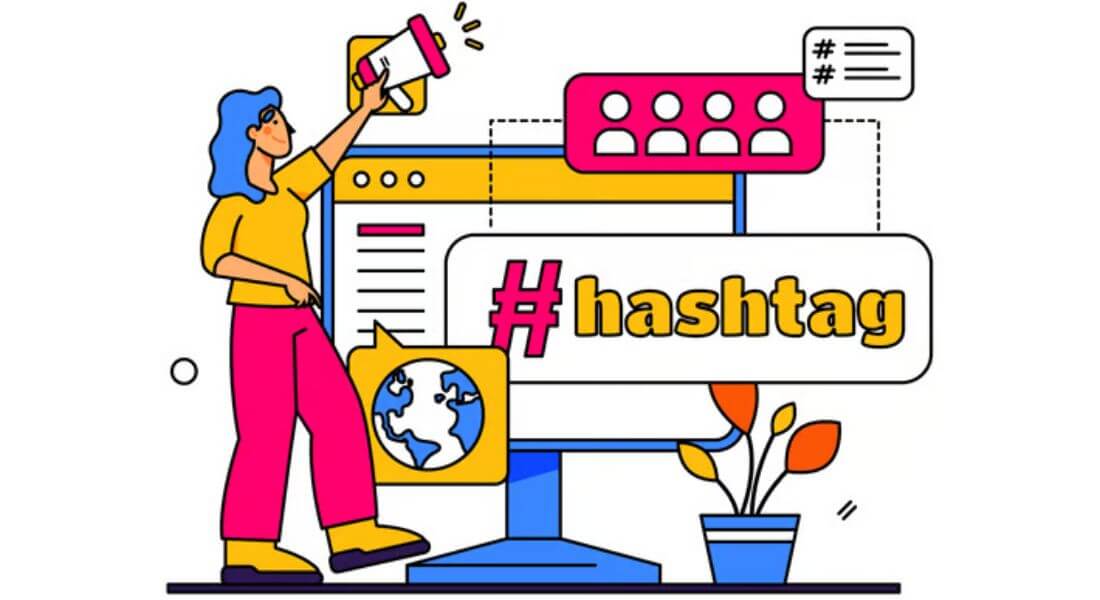
Social media platforms such as Instagram, TikTok, YouTube, LinkedIn, and Facebook provide non-profits with unprecedented opportunities to expand their reach and visibility. Each platform has its own audience behaviors, content preferences, and engagement patterns, so tailoring video content to suit each format is essential. Short, attention-grabbing clips work best on fast-scrolling feeds, while longer, more in-depth videos are ideal for email campaigns, virtual events, or website landing pages where viewers are willing to invest more time.
Capturing attention within the first few seconds is critical, especially on fast-moving platforms. Using captions, subtitles, and mobile-friendly formats ensures that videos are accessible to all audiences, including those watching without sound. Strategically incorporating trending hashtags, challenges, or viral formats can increase organic reach and improve discoverability. Encouraging audiences to share, tag friends, or participate in campaigns transforms passive viewers into active supporters who help spread your message.
Social media analytics also provide invaluable insights, helping non-profits understand what resonates, how viewers interact with content, and which campaigns are most effective. By analyzing engagement patterns and audience behaviors, organizations can refine strategies, improve targeting, and maximize the impact of every video shared. Ultimately, leveraging social media allows non-profits to create a dynamic, interactive, and engaged community around their cause.
5. Budget-Friendly Production Tips
A common misconception is that impactful video marketing requires expensive cameras, professional studios, or high-end production teams. In reality, non-profits can produce high-quality videos with limited resources. Smartphones with advanced cameras, free or low-cost editing software, and AI-assisted video creation tools can generate professional-looking content that resonates with audiences.
The focus should remain on authenticity, clear messaging, and compelling storytelling. Simple adjustments, such as natural lighting, clean audio, and thoughtfully framed shots, can significantly improve video quality. Repurposing existing content such as event footage, interviews, photographs, or presentation slides into short, engaging clips maximizes efficiency while minimizing costs. Collaborating with volunteers, student filmmakers, or social media influencers can also help produce meaningful content without incurring significant expenses.
Above all, the most effective videos communicate a heartfelt message. Audiences respond to sincerity and genuine passion far more than they do to glossy visuals. A personal story, authentic testimonial, or real-world example can create a deeper connection with viewers than any high-budget production could achieve. By prioritizing message over money, non-profits can create videos that inspire action, strengthen connections, and effectively advance their mission.
6. Measuring Impact
Creating videos is just one component of a successful marketing strategy; measuring their effectiveness is equally crucial. Tracking metrics such as views, shares, comments, engagement rates, click-throughs, and donation conversions helps non-profits understand what types of content resonate most with their audience. Analytics enable organizations to refine campaigns, optimize messaging, and allocate resources efficiently, ensuring that every video contributes to broader goals.
Additionally, performance data provides accountability to donors, partners, and stakeholders. By showcasing measurable outcomes such as increased awareness, higher engagement rates, or growth in contributions non-profits can demonstrate the tangible impact of their communications efforts. Over time, analyzing trends allows organizations to continuously improve storytelling, distribution, and engagement strategies. Understanding what works, what doesn’t, and why helps ensure that future video campaigns are even more effective, allowing every piece of content to strengthen the organization’s mission, grow its audience, and inspire meaningful action.
By integrating robust analytics into video strategies, non-profits can make data-driven decisions, showcase real impact, and continually evolve their approach. This combination of storytelling, advocacy, social media optimization, and measurable outcomes ensures that video marketing not only captures attention but drives lasting change.
7. Optimizing for Accessibility and Inclusivity
To maximize the impact of your non-profit videos, it’s essential to ensure they are accessible and inclusive to all viewers. Accessibility means removing barriers so that anyone, regardless of ability or language, can engage with your content. Start by adding captions or subtitles for viewers who are watching without sound, which is particularly important for social media platforms where videos often autoplay silently. For visually impaired audiences, providing audio descriptions of key visuals ensures that the message is fully conveyed even without sight.
Inclusivity also extends to language and cultural considerations. Translating or subtitling key content into multiple languages allows non-profits to reach multilingual communities and connect with diverse audiences worldwide. When planning visuals and messaging, consider cultural sensitivities and diverse representation to ensure that all viewers feel seen and respected.
By prioritizing accessibility and inclusivity, non-profits not only adhere to ethical and legal standards but also broaden their reach, increase engagement, and foster a sense of belonging among supporters. Inclusive videos demonstrate that your organization values every individual, reinforcing trust and encouraging wider participation in your mission. Ultimately, ensuring your videos can be understood and appreciated by everyone strengthens the impact of your storytelling and amplifies your message on a global scale.
8. Leveraging Partnerships and Collaborations
Non-profits can significantly amplify their impact by partnering with other organizations, community leaders, or influencers. Collaborations provide access to new audiences, expand credibility, and often create more dynamic and engaging content. By co-creating videos or running joint campaigns, non-profits can combine resources, expertise, and networks to tell more compelling stories and increase visibility.
Partnerships also bring fresh perspectives and creative ideas that can elevate video content beyond what a single organization might achieve alone. For example, collaborating with influencers who are passionate about your cause can help your message reach highly engaged audiences that may not have been aware of your work. Similarly, working with other non-profits on awareness campaigns allows for the sharing of authentic testimonials, behind-the-scenes insights, or case studies, enriching the storytelling experience.
Joint campaigns can also foster a sense of community and shared purpose, signaling to audiences that multiple trusted organizations are united in addressing a particular issue. This not only strengthens credibility but also encourages greater participation and support from viewers. Ultimately, leveraging partnerships and collaborations ensures that your videos are more impactful, reach wider audiences, and inspire collective action, creating a ripple effect that extends far beyond your organization’s immediate reach.
9. Using Live and Interactive Video Content

Live and interactive video content has become a powerful tool for non-profits to engage their audiences in real time. Live streaming events, such as fundraising drives, virtual tours, Q&A sessions, or behind-the-scenes looks at programs, allows supporters to experience your mission as it unfolds. This immediacy fosters a sense of connection and trust, as viewers can see authenticity and transparency in action.
Interactive features take engagement a step further. Polls, live chat, and real-time donation tracking give audiences the opportunity to participate actively rather than passively consume content. For example, viewers can ask questions during a live session, vote on topics, or see the immediate impact of their contributions. This interactive approach not only increases engagement but also strengthens the emotional investment of supporters, making them more likely to share the content, contribute to campaigns, or become long-term advocates.
Additionally, live and interactive videos can create excitement around events and initiatives, generating a sense of community among participants who are witnessing the experience together. By integrating live streaming and interactive elements into your video strategy, non-profits can foster stronger relationships with audiences, encourage immediate action, and create memorable experiences that amplify awareness and support for their cause.
Final Thought: Empowering Change Through Video Marketing
Video marketing gives non-profits a powerful voice to raise awareness and inspire global action. By combining authentic storytelling, advocacy, and social reach, even small budgets can make a significant impact. You can contact our video production company in London to help create high-impact videos tailored for your cause.
