


Anime isn’t just visually striking; it’s also renowned for the emotional depth of its stories. Unlike many other forms of entertainment, anime often takes the time to fully explore characters’ inner worlds, their motivations, and the struggles they face. Fans around the world connect with anime because its narratives often explore universal human experiences, blending fantastical elements with emotions that feel deeply relatable.
Whether it’s the story of a young hero overcoming impossible odds, a quiet slice-of-life series that mirrors the everyday challenges of growing up, or an epic saga that wrestles with themes of morality, friendship, and sacrifice, anime has the power to make viewers feel understood. It balances escapism with authenticity, giving fans both the thrill of adventure and the comfort of recognising their own emotions reflected on screen.
The global resonance of anime also comes from its willingness to tackle subjects that are often left untouched in mainstream media. From grief, loneliness, and self-discovery to the joy of found family and the pursuit of dreams, anime addresses themes that transcend cultural barriers. This honesty allows fans from different countries and backgrounds to see a part of themselves in the characters and stories, forging an emotional connection that goes beyond language or geography.
Another reason anime storytelling connects so deeply is the way it uses symbolism and visual metaphors. A single scene can carry layers of meaning whether it’s cherry blossoms representing fleeting beauty, or a character’s transformation symbolising growth and resilience. These visual cues enrich the narrative and allow fans to interpret the story on multiple levels, making the experience not only entertaining but also intellectually and emotionally rewarding.
In the end, what makes anime storytelling so impactful is its combination of compelling visuals, imaginative worlds, and heartfelt writing. It doesn’t shy away from showing life’s complexities, and that authenticity is what keeps fans engaged and emotionally invested. Anime doesn’t just tell stories it creates experiences that feel deeply personal, even when set in the most fantastical of worlds.
1. Complex Character Arcs
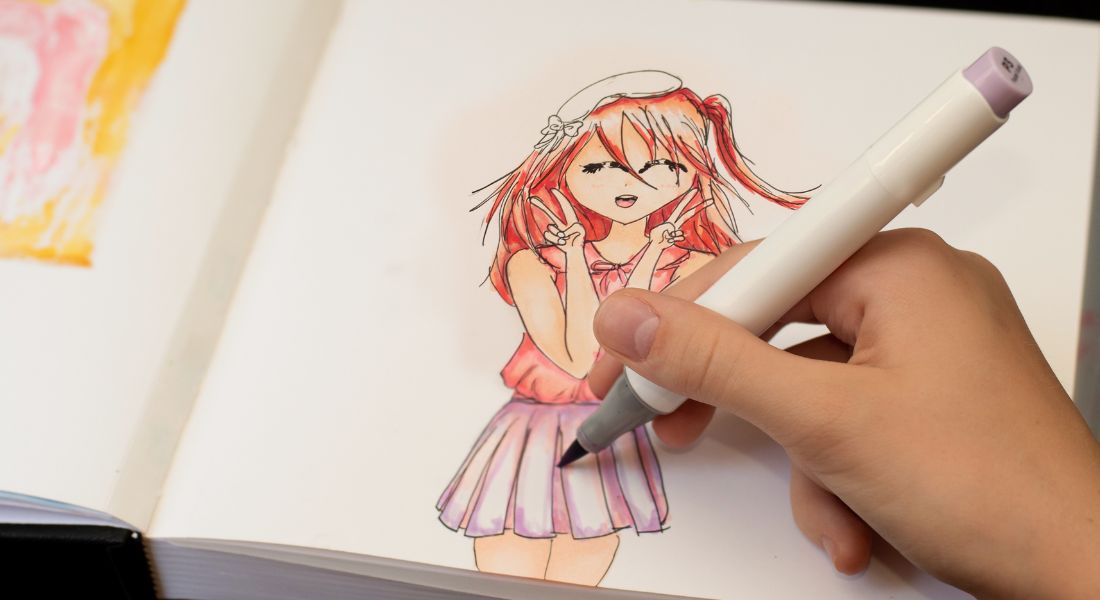
Layered Personalities: One of the most compelling aspects of anime is its ability to craft characters with incredible depth and nuance. These characters are rarely just heroes or villains they possess a mix of strengths, weaknesses, fears, and desires that make them feel human. Viewers see characters wrestle with internal conflicts, face moral dilemmas, and sometimes make decisions that are both admirable and flawed. This complexity allows audiences to understand motivations, relate to struggles, and emotionally invest in the character’s journey over time.
Relatable Conflicts: Anime often explores conflicts that mirror universal human experiences, making them highly relatable. Themes such as love, friendship, ambition, rivalry, loss, grief, and personal identity are recurrently explored, but anime does so with a depth that resonates. Protagonists may struggle with self-doubt, confront societal expectations, or navigate strained relationships. Even fantastical or sci-fi settings serve as a backdrop for these fundamentally human struggles, allowing viewers to empathise and reflect on their own experiences through the lens of the story.
Examples: Numerous anime illustrate the power of complex character arcs. In Attack on Titan, Eren Yeager’s transformation is both thrilling and morally intricate, reflecting the consequences of vengeance, the burden of leadership, and the conflict between personal desire and collective responsibility. Fullmetal Alchemist chronicles Edward and Alphonse Elric’s journey of redemption, highlighting ethical dilemmas, personal sacrifice, and the emotional weight of past mistakes. Naruto follows Naruto Uzumaki from a lonely, ostracised child to a respected hero, exploring perseverance, identity, and the importance of bonds with family and friends. Even supporting characters in these series are richly developed, with backstories and motivations that add emotional depth to the overall narrative.
Long-Term Emotional Investment: What makes these character arcs so effective is how they cultivate lasting emotional investment. Audiences witness characters grow, fail, learn, and change over time, which fosters a deep sense of connection. Fans celebrate victories, grieve losses, and empathise with dilemmas as though they were experiencing them firsthand. This emotional resonance is one of the reasons anime can leave such a lasting impression viewers don’t just watch the story unfold; they live it alongside the characters.
Impact on Storytelling: Beyond engaging viewers emotionally, complex character arcs enrich the overall narrative. They allow for layered storytelling, where plot developments feel earned rather than forced, and where conflicts and resolutions carry weight. By investing in characters’ personal journeys, anime creates a more immersive and compelling experience, demonstrating that well-developed characters are not just supporting elements they are the heart of the story itself.
2. Universal Themes

Identity & Self-Discovery: Many anime delve deeply into the theme of identity and the journey of self-discovery. Characters frequently grapple with understanding who they are, where they belong, and how their past shapes their present. This could be a young protagonist navigating adolescence, a hero questioning their role in a larger conflict, or a character struggling to reconcile their personal desires with societal expectations. Through these narratives, viewers witness the complex process of defining oneself, which resonates with anyone who has ever faced uncertainty about their path in life. Series such as Your Name and Naruto explore these journeys, showing how personal growth often comes from challenges, mistakes, and unexpected connections with others.
Morality & Ethics: Anime often presents morally complex situations that challenge characters’ values and push them to make difficult decisions. These choices frequently carry significant consequences, making the stakes feel real and emotionally charged. Unlike simple “good versus evil” storytelling, many series explore the grey areas of morality, showing that even well-intentioned actions can have unintended results. For example, Death Note examines the ethical implications of wielding absolute power, while Attack on Titan raises questions about vengeance, justice, and the cost of freedom. These narratives encourage viewers to reflect on their own beliefs and decisions, creating a deeper connection with the story.
Perseverance & Growth: Overcoming adversity is central to countless anime plots. Characters often face overwhelming challenges formidable enemies, personal trauma, societal pressure, or internal doubts but their resilience drives the story forward. Watching protagonists endure setbacks, learn from mistakes, and gradually evolve inspires audiences to value persistence and personal growth. Series like My Hero Academia and One Piece highlight the importance of determination, showing that success is rarely instant but achieved through effort, perseverance, and a willingness to adapt. These journeys provide both emotional satisfaction and relatable lessons about navigating life’s obstacles.
Global Resonance: One of the reasons these themes are so powerful is their universality. Identity, morality, and resilience are experiences shared by people across cultures, making anime relatable on a global scale. Even in fantastical worlds with supernatural powers or futuristic settings, the emotional core remains recognisable and compelling. Audiences from diverse backgrounds can see themselves in the struggles, triumphs, and growth of the characters, fostering empathy and creating a sense of connection that transcends language, culture, or geography. This universality is a key factor in anime’s enduring worldwide appeal.
Emotional Impact: Beyond relatability, universal themes also heighten the emotional impact of anime. When viewers witness characters confront ethical dilemmas, navigate self-discovery, or persevere against impossible odds, it evokes a strong sense of empathy and investment. These stories often stay with audiences long after the series ends, influencing their perspectives, inspiring them, and sometimes even shaping their understanding of themselves and the world around them. By combining engaging storytelling with deeply human themes, anime achieves a level of emotional resonance that few other mediums can consistently match.
3. Emotional Storytelling Techniques
Slow-Burn Development: One of the most distinctive features of anime storytelling is its patient, slow-burn approach to character growth, relationships, and plot progression. Rather than rushing through key emotional beats, anime often takes its time to carefully build tension, develop interpersonal dynamics, and reveal character depth gradually. This allows audiences to form genuine attachments to characters, understand their motivations, and experience their struggles alongside them. For instance, in Clannad and its sequel Clannad: After Story, the series methodically develops relationships and everyday experiences, making the emotional climaxes such as moments of loss, love, or reconciliation immensely powerful. Similarly, March Comes in Like a Lion spends time exploring the protagonist’s internal battles and connections with those around him, allowing viewers to fully appreciate his growth over time.
Symbolism & Metaphor: Anime frequently uses symbolism and metaphor to add layers of meaning to its narratives. Objects, colours, recurring motifs, and even environmental details often serve as visual shorthand for complex emotions or themes. Cherry blossoms, for example, may represent the fleeting nature of life, new beginnings, or the bittersweet quality of personal growth. Shadows, lighting, and weather changes often mirror internal conflict or foreshadow dramatic events. Beyond visuals, fantastical elements can also function as metaphors for real-world struggles, ethical dilemmas, or societal commentary. In Neon Genesis Evangelion, for example, mechas and apocalyptic battles symbolise the emotional and psychological struggles of adolescence, identity, and human connection. These layers of meaning invite viewers to engage deeply with the story, interpret it in multiple ways, and connect emotionally with the characters’ experiences.
Music & Sound Design: The auditory elements of anime are equally important in creating emotional resonance. Carefully curated background scores, iconic theme songs, and subtle sound effects enhance the impact of key moments, evoking empathy, tension, or joy. In Your Name, the score by RADWIMPS complements both the story’s romantic and fantastical elements, heightening emotional scenes with sweeping orchestral arrangements. Similarly, Made in Abyss uses haunting melodies to underscore the series’ darker, more introspective moments. Sound design can also use silence strategically, emphasizing isolation, contemplation, or suspense, giving weight to scenes without any dialogue.
Combined Impact: When slow-burn development, symbolic storytelling, and thoughtful music come together, they create a storytelling experience that is immersive, emotionally layered, and profoundly affecting. Viewers are not merely passive observers they are active participants in the story, feeling the highs and lows of the characters’ journeys as if they were living them themselves. This careful orchestration of emotion is what allows anime to leave a lasting impression, creating moments that resonate long after the series ends and building a deep, enduring connection between the story and its audience.
Why It Matters: These techniques show that anime isn’t just about action sequences, fantasy worlds, or visual spectacle. Its emotional storytelling is what gives it longevity and cultural impact, turning even fantastical narratives into deeply personal experiences for viewers. By combining patience, layered symbolism, and immersive soundscapes, anime ensures that fans are fully absorbed in the story, making each scene, relationship, and plot twist feel significant and unforgettable.
4. Cultural Nuances & World-Building
Detailed Worlds: One of the defining features of anime is the meticulous attention given to crafting detailed, immersive worlds. From sprawling cities and quaint villages to enchanted forests and futuristic landscapes, these settings are carefully designed to feel authentic and alive. Every aspect of the environment from the architecture and streets to the smallest background elements serves a purpose, reflecting the culture, history, and societal norms of the world in which the story takes place. This attention to detail helps viewers fully immerse themselves in the narrative, making the experience richer and more engaging. Studio Ghibli films, such as Spirited Away and Princess Mononoke, exemplify this approach, offering worlds filled with natural, cultural, and fantastical details that invite audiences to explore and appreciate every corner of the setting.
Social Structures & Traditions: Beyond physical environments, anime frequently incorporates cultural norms, traditions, and societal hierarchies into its storytelling. Festivals, rituals, education systems, family dynamics, and even workplace cultures are woven seamlessly into the narrative, shaping character behaviour, motivations, and conflicts. For example, in Demon Slayer, the depiction of Taisho-era Japan, combined with traditional martial arts training and family values, enriches the story while providing context for the characters’ actions and moral decisions. These cultural nuances make the worlds feel lived-in and authentic, allowing audiences to understand and relate to the characters’ struggles within their social context.
Blending Fantasy with Reality: A hallmark of anime world-building is the ability to blend fantastical elements with real-world settings and social dynamics. Many series create universes that are imaginative yet emotionally relatable. One Piece, for instance, presents a sprawling pirate world with its own laws, political systems, and islands, but the characters’ relationships, ambitions, and ethical dilemmas mirror real human experiences. This balance of fantasy and reality allows viewers to escape into extraordinary worlds while maintaining a connection to the emotions and challenges of the characters, making the story both thrilling and relatable.
Examples of Rich World-Building: Some of the most celebrated anime highlight the importance of immersive settings. Studio Ghibli films transport audiences into culturally rich and visually stunning worlds from the magical bathhouse in Spirited Away to the mystical forests and spirits in Princess Mononoke. One Piece constructs a vast, diverse world of islands, nations, and social hierarchies that feel alive and interconnected. Demon Slayer merges historical Japan with fantastical elements, crafting a world that is at once magical, dangerous, and believable. These carefully constructed universes invite viewers to explore, understand, and become emotionally invested in every element of the story.
Fan Appreciation and Engagement: Fans deeply value the care put into world-building in anime. A well-developed setting enhances immersion, giving context and depth to characters’ choices, conflicts, and growth. Viewers can often appreciate subtle cultural references, historical details, or the logic behind fantastical systems, which adds layers of enjoyment and replay value. The richness of the world contributes to a more meaningful viewing experience, making audiences feel like participants rather than mere observers.
Impact on Storytelling: World-building in anime is more than visual or cultural decoration it directly influences the narrative. The history, societal norms, and environmental rules of a universe shape character development, moral dilemmas, and plot progression. This careful construction ensures the story remains coherent, believable, and emotionally engaging. By combining intricate detail, cultural authenticity, and imaginative creativity, anime worlds become essential to storytelling, providing a foundation for characters’ journeys and a setting that resonates long after the series ends.
Why It Matters: Ultimately, the attention to cultural nuance and world-building elevates anime beyond mere entertainment. By creating universes that feel both fantastical and grounded, anime allows viewers to explore new perspectives, understand diverse cultures, and experience immersive adventures. This dedication to constructing believable, layered worlds is a key reason why anime resonates deeply with fans and continues to inspire global admiration.
Final Thought: The Lasting Impact of Anime Storytelling
Anime storytelling connects deeply with fans because it combines layered character arcs, universal themes, emotional storytelling techniques, and intricate world-building. These elements work together to create narratives that feel both extraordinary and profoundly relatable. Audiences connect emotionally with characters, reflect on meaningful themes, and become fully immersed in imaginative, culturally rich worlds.
If you want to bring similar creativity and emotional impact to your own projects, you can contact our animation agency in London to take your content to the next level. Whether it’s for branding, marketing, or storytelling, professional animation can help translate ideas into compelling, immersive experiences that resonate with audiences.
